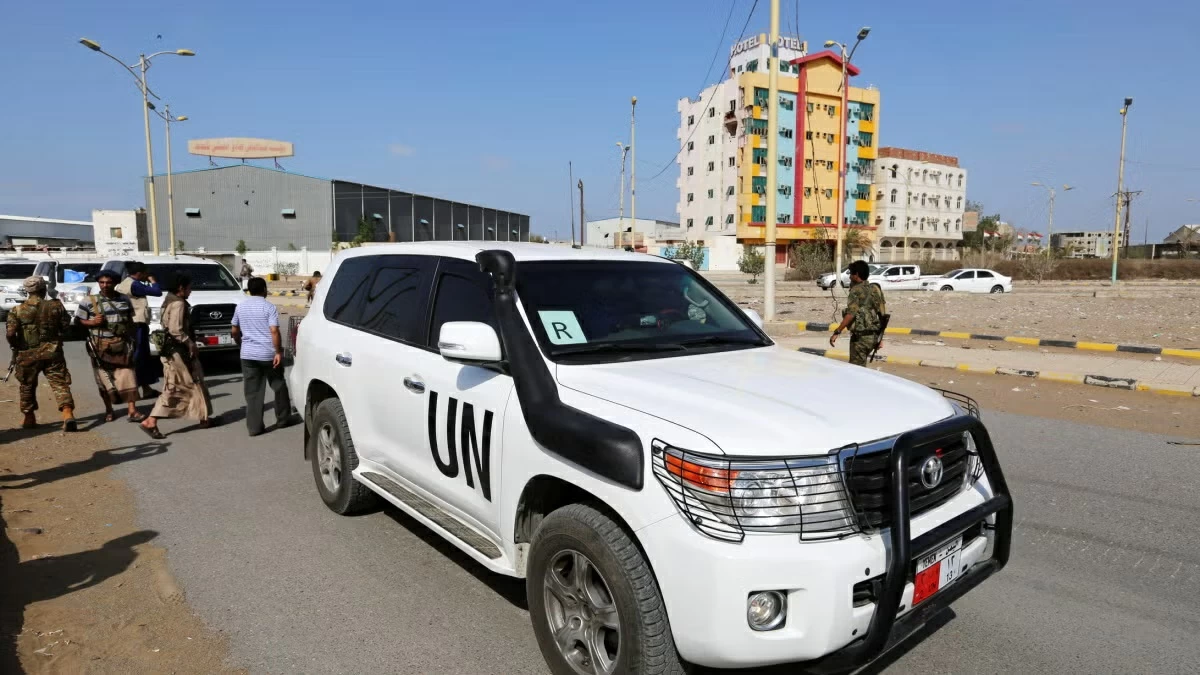
اتهمت مؤسسة تمكين المرأة اليمنية (YWEF) مليشيا الحوثي بارتكاب واحدة من أوسع حملات استهداف العاملين في المجال الإنساني والدبلوماسي في اليمن. ووفقاً لتقرير صادر عن المؤسسة، تم توثيق 163 جريمة اختطاف واعتقال تعسفي وإخفاء قسري استهدفت موظفين في الأمم المتحدة، والمنظمات الدولية والمحلية، والسفارات والبعثات الدبلوماسية، ضمن ما اعتبره التقرير سياسة ممنهجة هدفت إلى ترهيب المجتمع الدولي وابتزاز المنظمات الإنسانية، وإسكات كل من يعمل خارج منظومة المليشيا.
ويحمّل التقرير، المعنون «المنقذ الضحية»، جماعة الحوثي المسؤولية عن بناء منظومة أمنية استخدمت الاحتجاز التعسفي والإخفاء القسري والتعذيب كأدوات لإحكام السيطرة السياسية والأمنية. وأكد التقرير أن استهداف العاملين في المجال الإنساني لم يكن تجاوزات فردية، بل نهج منظم تطور منذ 2004 واتسع بصورة غير مسبوقة بعد سيطرة الجماعة على صنعاء. وأوضح التقرير أن الضحايا لم يكونوا أطرافاً في النزاع، بل موظفون يؤدون مهام إنسانية ودبلوماسية، بينهم عاملون في وكالات الأمم المتحدة، ومنظمات الإغاثة، ومنظمات المجتمع المدني، وموظفون حاليون وسابقون في بعثات وسفارات أجنبية، وصحفيون وأجانب تعرضوا للاختطاف والاحتجاز بسبب طبيعة عملهم، فيما لا يزال عدد منهم رهن الاحتجاز أو الإخفاء القسري، بينما فقد آخرون حياتهم داخل أماكن الاحتجاز أو بعد تعرضهم للتعذيب.
ويخصص التقرير فصلاً كاملاً للمسؤولية القيادية، ويعرض، استناداً إلى المادة التوثيقية التي جمعها، تسلسلاً للسياسات والقرارات والقيادات التي يرى أنها أسهمت في إدارة أو الإشراف أو إصدار التوجيهات المرتبطة بحملات الاختطاف والاحتجاز. واعتبر التقرير أن الإفلات من المساءلة شجع على استمرار الانتهاكات واتساع نطاقها.
ولا يقف التقرير عند توثيق الانتهاكات منذ 2004، بل يتتبع الجذور التاريخية لما يصفه بـ«سياسة الرهائن» التي تبنتها مليشيا الحوثي، مستعرضاً سلسلة من عمليات اختطاف الأجانب والعاملين الدوليين التي شهدتها محافظة صعدة، بما في ذلك قضية اختطاف الرعايا الفرنسيين، وقضية الأسرة الألمانية، باعتبارها محطات مفصلية في تطور استخدام الرهائن أداة للابتزاز السياسي والأمني.
وذكر التقرير أن استهداف العاملين في المجال الإنساني ألحق ضرراً بالغاً بالمدنيين قبل المؤسسات، وأسهم في تقويض برامج الإغاثة، وتعطيل عمليات إنسانية، وتقليص وجود عدد من المنظمات الدولية، في وقت يعتمد ملايين اليمنيين على المساعدات المنقذة للحياة.
وأكد التقرير أن مراجعة الوقائع والوثائق والشهادات التي جمعها تكشف، بحسب استنتاجاته، أن تلك العمليات لم تكن أحداثاً معزولة، بل شكلت جزءاً من مسار متدرج انتهى بتحويل موظفي الأمم المتحدة والمنظمات الدولية والسفارات إلى أهداف مباشرة لحملات الاختطاف والاحتجاز والإخفاء القسري.
ويعرض التقرير أدلة ووثائق وشهادات تربط بين عدد من القيادات والوسطاء المحليين الذين برزت أسماؤهم في ملفات اختطاف الأجانب، ومن بينهم عارف مجلي ومبارك المشن، ويحلل الأدوار التي ينسبها إليهم في إدارة أو تسهيل أو التوسط في بعض تلك الملفات. كما يخلص التقرير إلى وجود مؤشرات قوية، مدعومة بالمادة التوثيقية التي جمعها، على وجود تداخل وتنسيق ميداني في إدارة ملفات الرهائن بين عناصر حوثية وعناصر مرتبطة بتنظيم القاعدة، بما يخدم أهدافاً سياسية وأمنية ومالية مشتركة.
ودعا التقرير إلى فتح تحقيق دولي مستقل لكشف كامل شبكة المسؤوليات ومحاسبة جميع المتورطين. كما دعت مؤسسة تمكين المرأة اليمنية الأمم المتحدة، والدول الأعضاء، ومجلس حقوق الإنسان، وجميع الآليات الدولية المعنية، إلى اتخاذ إجراءات عاجلة للإفراج عن جميع المحتجزين تعسفاً، والكشف عن مصير المخفيين قسراً، وضمان عدم إفلات المسؤولين عن هذه الانتهاكات من المساءلة، مؤكدة أن حماية العمل الإنساني تبدأ بمحاسبة من يستهدف العاملين فيه.
ويقدم التقرير «المنقذ الضحية» توثيقاً يمتد لأكثر من 22 عاماً، ويضم 163 ملفاً توثيقياً للضحايا، إلى جانب تحليل تاريخي وقانوني للمسؤولية القيادية، بهدف دعم جهود العدالة والمساءلة وحماية العاملين في المجال الإنساني والدبلوماسي في اليمن.
The Yemeni Women Empowerment Foundation (YWEF) has accused the Houthi militia of committing one of the widest campaigns targeting humanitarian and diplomatic workers in Yemen. According to a report issued by the foundation, 163 crimes of kidnapping, arbitrary detention, and enforced disappearance targeting employees of the United Nations, international and local organizations, embassies, and diplomatic missions have been documented, which the report considers a systematic policy aimed at intimidating the international community, extorting humanitarian organizations, and silencing anyone who works outside the militia's framework.
The report, titled "The Rescuer Victim," holds the Houthi group responsible for building a security system that used arbitrary detention, enforced disappearance, and torture as tools to tighten political and security control. The report confirmed that targeting humanitarian workers was not individual transgressions but a systematic approach that has developed since 2004 and expanded unprecedentedly after the group took control of Sana'a. The report clarified that the victims were not parties to the conflict but employees performing humanitarian and diplomatic tasks, including workers in UN agencies, relief organizations, civil society organizations, current and former employees in foreign missions and embassies, journalists, and foreigners who were kidnapped and detained due to the nature of their work, while some of them remain in detention or enforced disappearance, and others lost their lives inside detention facilities or after being subjected to torture.
The report dedicates an entire chapter to leadership responsibility, presenting, based on the documentation it collected, a sequence of policies, decisions, and leaders that it believes contributed to managing, supervising, or issuing directives related to kidnapping and detention campaigns. The report considered that the impunity has encouraged the continuation and expansion of violations.
The report does not stop at documenting violations since 2004 but traces the historical roots of what it describes as the "hostage policy" adopted by the Houthi militia, reviewing a series of kidnappings of foreigners and international workers that took place in Saada Governorate, including the kidnapping of French nationals and the case of the German family, considering them pivotal moments in the evolution of using hostages as a tool for political and security extortion.
The report mentioned that targeting humanitarian workers has caused severe harm to civilians before institutions and contributed to undermining relief programs, disrupting humanitarian operations, and reducing the presence of several international organizations, at a time when millions of Yemenis rely on life-saving assistance.
The report confirmed that reviewing the facts, documents, and testimonies it collected reveals, according to its conclusions, that these operations were not isolated incidents but formed part of a gradual trajectory that ended with turning UN employees, international organizations, and embassies into direct targets for kidnapping, detention, and enforced disappearance campaigns.
The report presents evidence, documents, and testimonies linking several leaders and local intermediaries whose names have emerged in foreign kidnapping files, including Aref Majli and Mubarak Al-Mashan, and analyzes the roles attributed to them in managing, facilitating, or mediating some of those cases. The report concludes that there are strong indicators, supported by the documentation it collected, of overlap and field coordination in managing hostage files between Houthi elements and elements linked to Al-Qaeda, serving common political, security, and financial objectives.
The report called for an independent international investigation to uncover the full network of responsibilities and hold all those involved accountable. The Yemeni Women Empowerment Foundation also urged the United Nations, member states, the Human Rights Council, and all relevant international mechanisms to take urgent action to release all arbitrarily detained individuals, reveal the fate of the forcibly disappeared, and ensure that those responsible for these violations do not escape accountability, emphasizing that protecting humanitarian work begins with holding accountable those who target its workers.
The report "The Rescuer Victim" provides documentation extending over 22 years, including 163 documented files of victims, along with a historical and legal analysis of leadership responsibility, aimed at supporting efforts for justice, accountability, and protecting humanitarian and diplomatic workers in Yemen.