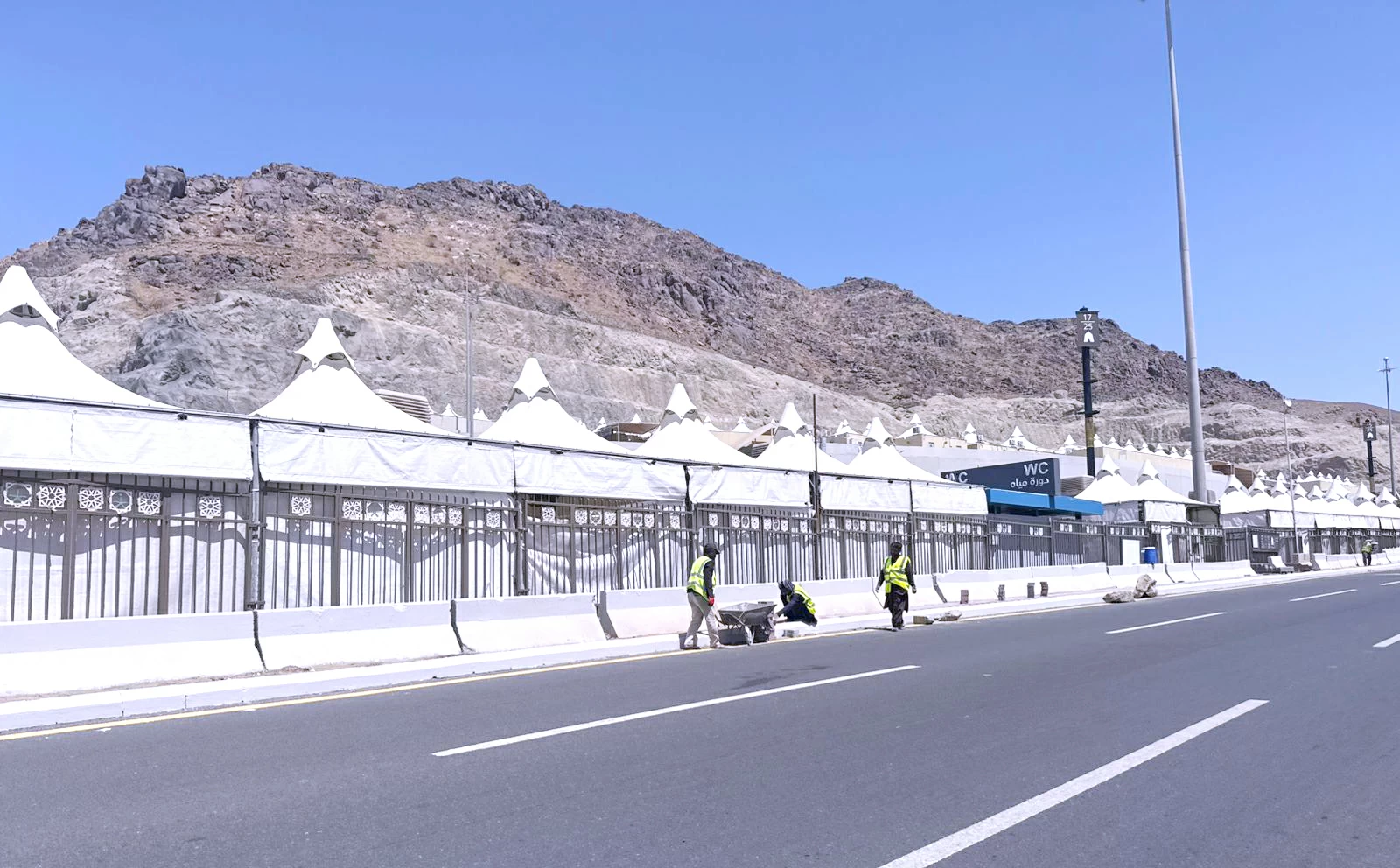
دعت وزارة البيئة والمياه والزراعة، ضيوف الرحمن إلى الالتزام بالممارسات البيئية الإيجابية خلال أداء مناسك الحج، بما يسهم في الحفاظ على نظافة الأراضي المقدسة وحماية النظم البيئية ودعم الأمنين الغذائي والمائي، وضمان استدامة الموارد الطبيعية.
وشددت الوزارة على أهمية تبني ممارسات إيجابية، مثل التخلص من النفايات في الأماكن المخصصة، والمحافظة على الغطاء النباتي، وتجنّب إيذاء الحيوانات والطيور أو الاقتراب منها.
وأشارت إلى عدد من السلوكيات الداعمة للاستدامة، ومنها استخدام الإحرام المستدام، والالتزام بالتحلل في المواقع المخصصة للحد من التلوث، وترشيد استهلاك المياه أثناء الوضوء، وإغلاق الصنابير بإحكام، وتجنّب الإسراف في مياه الشرب، إضافة إلى استخدام عبوات مياه صديقة للبيئة وقابلة لإعادة التدوير، والحد من الهدر الغذائي عبر أخذ الكميات المناسبة من الطعام.
وأكدت الوزارة، أن هذه الممارسات تعكس وعي ضيوف الرحمن، وتسهم في حماية الموارد الطبيعية واستدامتها للأجيال القادمة، بما يعزز جودة البيئة ويرسخ مفهوم المسؤولية المشتركة في الحفاظ على قدسية المشاعر.
The Ministry of Environment, Water, and Agriculture has called on the guests of Allah to adhere to positive environmental practices during the performance of Hajj rituals, which contributes to maintaining the cleanliness of the holy lands, protecting ecosystems, supporting food and water security, and ensuring the sustainability of natural resources.
The ministry emphasized the importance of adopting positive practices, such as disposing of waste in designated areas, preserving vegetation, and avoiding harm to animals and birds or approaching them.
It pointed out several behaviors that support sustainability, including using sustainable Ihram, adhering to designated areas for disposal to reduce pollution, rationalizing water consumption during ablution, securely closing faucets, avoiding wastefulness in drinking water, as well as using eco-friendly and recyclable water bottles, and reducing food waste by taking appropriate quantities of food.
The ministry confirmed that these practices reflect the awareness of the guests of Allah and contribute to protecting and sustaining natural resources for future generations, enhancing environmental quality, and reinforcing the concept of shared responsibility in preserving the sanctity of the sacred sites.