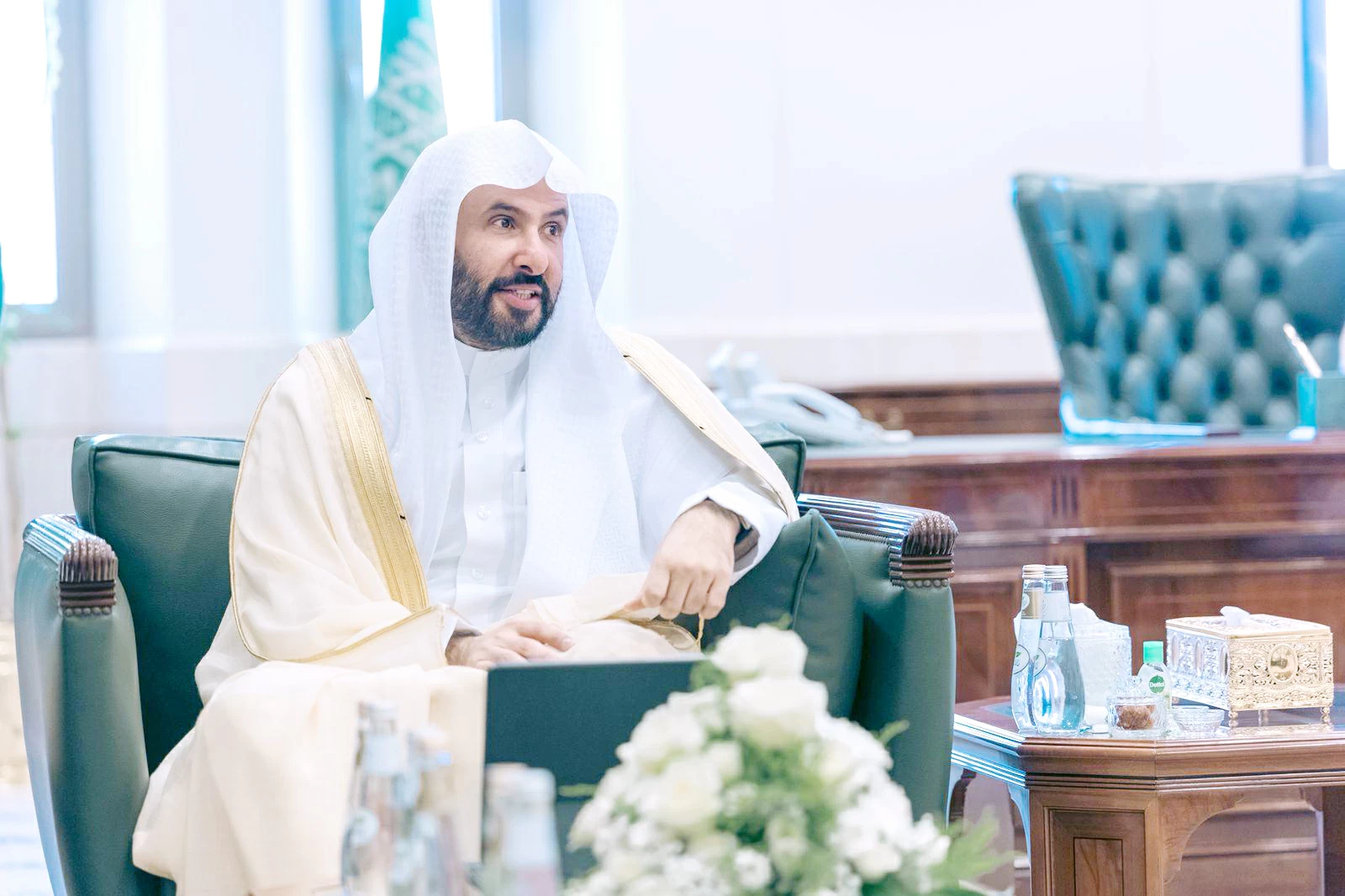
في ظل الدعم الكريم من خادم الحرمين الشريفين الملك سلمان بن عبدالعزيز، والدعم والمتابعة المستمرين من ولي العهد رئيس مجلس الوزراء الأمير محمد بن سلمان، لتطوير المنظومة العدلية ورفع كفاءتها؛ دشّن وزير العدل الدكتور وليد الصمعاني، أمس، النموذج المركزي لتطوير أعمال المحاكم العامة، وذلك خلال زيارته للمحكمة العامة بمدينة الرياض.
ويأتي المشروع امتداداً لمسيرة التطوير العدلي، بما يعزز مستوى النُضج المؤسسي في أعمال المحاكم العامة، ويرسّخ جودة المخرجات القضائية، ويرفع موثوقية الإجراءات وكفاءة التشغيل، من خلال نموذج قضائي مؤسسي يعتمد على الحوكمة، والتخصص، والإجراءات الموحدة، والاستفادة من الممكنات الرقمية والذكاء الاصطناعي في دعم الأعمال والإجراءات القضائية المساندة.
واطّلع وزير العدل، خلال الزيارة، على عدد من المبادرات والمشاريع التطويرية المرتبطة بالنموذج المركزي للمحاكم العامة، وآليات تطوير إدارة الدعوى وتهيئتها، وتفعيل المرافعة الكتابية والجلسات التحضيرية، وتعزيز دور مراكز الإسناد القضائي؛ بما يسهم في تقليص أمد التقاضي، ورفع كفاءة الأداء، وتعزيز جودة الأحكام والمخرجات القضائية.
كما اطّلع على مستهدفات النموذج المركزي للمحاكم العامة في تعزيز التخصص القضائي، بما يضمن عدم تفاوت الإجراءات، وتحسين كفاءة توزيع القضايا، إلى جانب توظيف الذكاء الاصطناعي في تحليل القضايا، ودعم إعداد الدراسات القانونية المساندة للأعمال القضائية؛ بما يحسّن جودة الإجراءات والمخرجات القضائية، ويرفع كفاءة العمل المؤسسي في المحاكم العامة. وأكد الوزير الصمعاني أن تطوير أعمال المحاكم العامة يأتي ضمن مستهدفات تعزيز جودة القضاء وكفاءة مخرجاته، وترسيخ مبادئ العدالة المؤسسية، بما يواكب التطورات التشريعية والتنظيمية، ويدعم تحقيق العدالة الناجزة.
In light of the generous support from the Custodian of the Two Holy Mosques, King Salman bin Abdulaziz, and the continuous support and follow-up from the Crown Prince, Prime Minister Prince Mohammed bin Salman, for the development of the judicial system and enhancing its efficiency; the Minister of Justice, Dr. Walid Al-Samaani, launched yesterday the central model for developing the work of general courts during his visit to the general court in Riyadh.
The project comes as an extension of the judicial development journey, enhancing the level of institutional maturity in the work of general courts, solidifying the quality of judicial outputs, and increasing the reliability of procedures and operational efficiency, through a judicial model that relies on governance, specialization, standardized procedures, and leveraging digital capabilities and artificial intelligence to support judicial work and related procedures.
During the visit, the Minister of Justice reviewed a number of initiatives and developmental projects related to the central model for general courts, mechanisms for developing and preparing case management, activating written pleadings and preparatory sessions, and enhancing the role of judicial support centers; all of which contribute to reducing the duration of litigation, improving performance efficiency, and enhancing the quality of rulings and judicial outputs.
He also reviewed the objectives of the central model for general courts in enhancing judicial specialization, ensuring consistency in procedures, and improving the efficiency of case distribution, in addition to employing artificial intelligence in case analysis and supporting the preparation of legal studies that assist judicial work; all aimed at improving the quality of procedures and judicial outputs, and increasing the efficiency of institutional work in general courts. Minister Al-Samaani affirmed that the development of general court operations is part of the objectives to enhance the quality of justice and the efficiency of its outputs, and to establish the principles of institutional justice, in line with legislative and regulatory developments, and to support the achievement of swift justice.