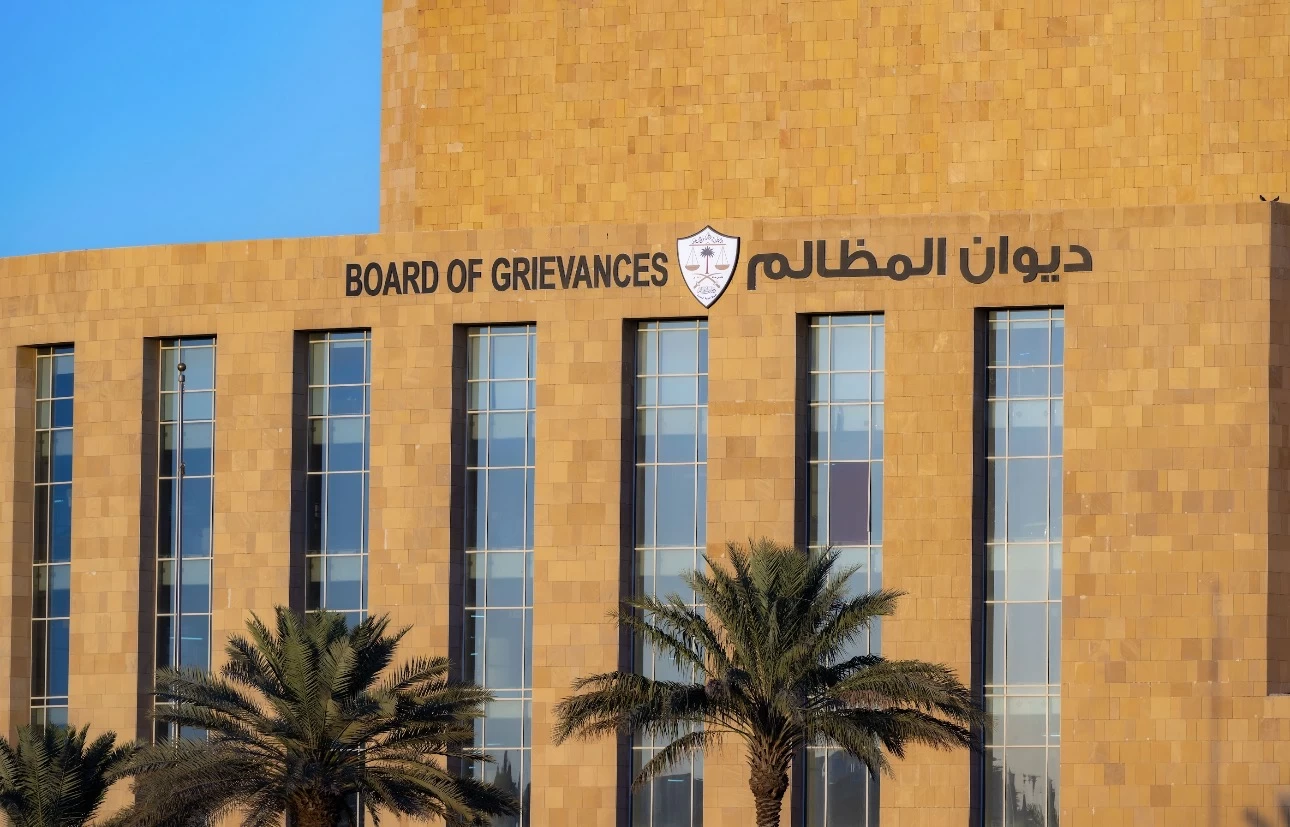
أوضح ديوان المظالم أن عدم قبول طلب التنفيذ بسبب فوات المدد النظامية لا يترتب عليه سقوط الحق أو انقضاء الالتزام، مؤكدًا أن ذلك لا يمس أصل الحق ولا يؤثر في ثبوته، ولا يحول دون معاقبة المتسبب فيه.
وبحسب المادة التاسعة في الفصل الأول من الباب الثاني من نظام التنفيذ أمام ديوان المظالم، «تنص على أنه لا يترتب على عدم قبول طلب التنفيذ لفوات المدد المنصوص عليها في المادة الثامنة من النظام انقضاء الالتزام، أو عدم تطبيق أحكام الباب الرابع من النظام».
وأشار ديوان المظالم في بيان صحفي، إلى أن الحكم بعدم قبول طلب التنفيذ لفوات المدة المنصوص عليها في المادة الثامنة من نظام التنفيذ أمام ديوان المظالم لا يترتب عليه سقوط الالتزام أو انقضاؤه، حيث تنص المادة الثامنة من نفس النظام على مطالبة من عليه الحق في مدة لا تتجاوز 10 سنوات من تاريخ نشوء الحق، و 30 يومًا من تاريخ المطالبة لتقديم دعوى التنفيذ، و 5 أيام إذا كان المطلوب تنفيذ حكمًا عاجلًا.
وبالعودة إلى تفسير ديوان المظالم للمادة التاسعة من نظام التنفيذ أمام ديوان المظالم، فإن الحكم بعدم قبول الطلب لفوات المدة لا يمس أصل الحق ولا يؤثر في ثبوته، كما أن عدم قبول طلب التنفيذ لا يحول دون تطبيق أحكام الباب الرابع من نظام التنفيذ أمام ديوان المظالم، والمتمثلة في معاقبة الموظف العام الذي يرتكب أو يشارك في استغلال النفوذ أو الامتناع عمدًا عن تنفيذ السندات بقصد تعطيله، والجدير بالذكر أن نظام التنفيذ أمام ديوان المظالم عدّ مثل هذه الأفعال جرائم فساد كبيرة موجبة للتوقيف.
The Board of Grievances clarified that the rejection of an enforcement request due to the expiration of statutory deadlines does not result in the loss of the right or the termination of the obligation, emphasizing that this does not affect the essence of the right nor its establishment, and does not prevent the punishment of the party responsible for it.
According to Article Nine in Chapter One of Title Two of the Enforcement System before the Board of Grievances, "it states that the rejection of the enforcement request due to the expiration of the deadlines specified in Article Eight of the system does not lead to the termination of the obligation, nor does it prevent the application of the provisions of Chapter Four of the system."
The Board of Grievances indicated in a press statement that the ruling of not accepting the enforcement request due to the expiration of the period specified in Article Eight of the Enforcement System before the Board of Grievances does not result in the termination of the obligation or its expiration, as Article Eight of the same system stipulates that the party entitled to the right must claim it within a period not exceeding 10 years from the date the right arose, and 30 days from the date of the claim to file an enforcement lawsuit, and 5 days if the requested enforcement is for an urgent ruling.
Returning to the interpretation of the Board of Grievances regarding Article Nine of the Enforcement System before the Board of Grievances, the ruling of not accepting the request due to the expiration of the period does not affect the essence of the right nor its establishment, and the rejection of the enforcement request does not prevent the application of the provisions of Chapter Four of the Enforcement System before the Board of Grievances, which involves punishing the public employee who commits or participates in the abuse of power or intentionally refrains from executing the documents with the intent to obstruct them. It is worth noting that the Enforcement System before the Board of Grievances considers such acts to be major corruption crimes that warrant detention.