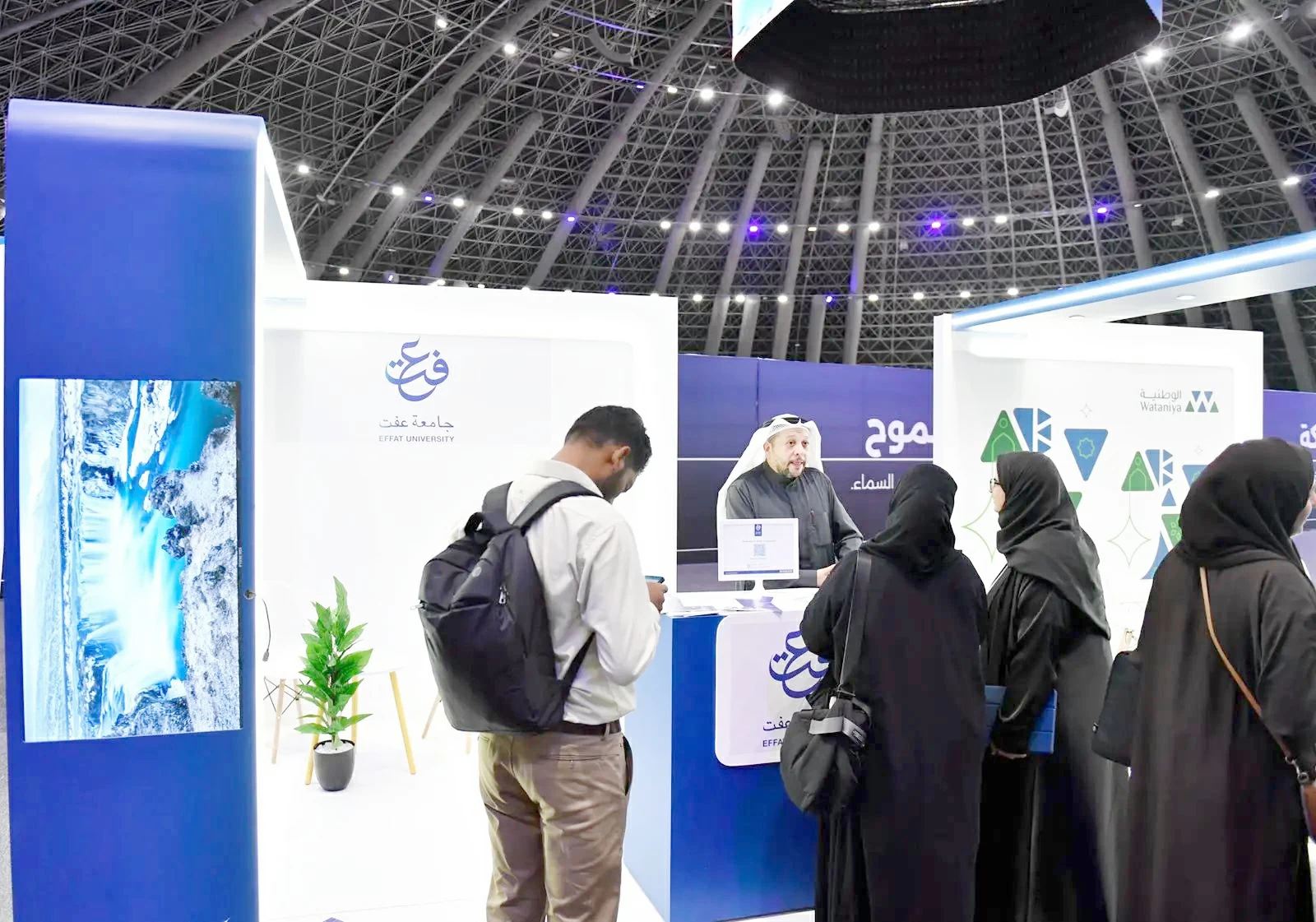
أسهمت مشاركة الجامعات والأكاديميات في اليوم الثالث من الملتقى المهني الثالث عشر بجامعة الملك عبدالعزيز، في تعزيز جاهزية الخريجين والمقبلين على التخرج لدخول سوق العمل، من خلال ما عرضته من برامج أكاديمية وتدريبية ومسارات مهنية تتوافق مع احتياجات السوق.
وقدّمت الجهات التعليمية عبر أجنحتها تعريفًا بتخصصاتها وبرامج التأهيل والتطوير، إلى جانب محتوى يوضح طبيعة المسارات المهنية ومتطلباتها، بما يساعد الزوّار على فهم الخيارات المتاحة واتخاذ قرارات أكثر وعيًا وارتباطًا بمتطلبات سوق العمل.
وبرزت الأكاديميات المشاركة بطرح برامج تدريبية قصيرة ودورات تطبيقية تستهدف تنمية المهارات العملية، في خطوة تعكس أهمية تعزيز الجانب التطبيقي في إعداد الكفاءات الوطنية وتسريع جاهزيتها للانخراط في بيئات العمل. ولوحظ خلال التفاعل داخل الأجنحة ارتفاع مستوى وعي الزوّار بمتطلبات التوظيف، إذ تركزت استفساراتهم حول المهارات الأساسية وآليات التقديم، ما يشير إلى تحول في توجهات الباحثين عن عمل نحو خيارات أكثر واقعية ووضوحًا. ويؤكد ذلك تنامي دور المؤسسات التعليمية في دعم جاهزية الكفاءات الوطنية وتقليص الفجوة المعلوماتية ورفع كفاءة التوظيف.
ويعزز تكامل جهود المؤسسات التعليمية مع احتياجات السوق بناء منظومة أكثر فاعلية في إعداد الكفاءات الوطنية، بما يسهم في تحقيق مستهدفات التنمية وتعزيز تنافسية سوق العمل.
The participation of universities and academies on the third day of the 13th Career Forum at King Abdulaziz University contributed to enhancing the readiness of graduates and those about to graduate to enter the labor market, through the academic and training programs and career paths they presented that align with market needs.
The educational institutions provided an introduction to their specializations and qualification and development programs through their booths, along with content that clarifies the nature of career paths and their requirements, helping visitors understand the available options and make more informed decisions related to labor market demands.
The participating academies stood out by offering short training programs and practical courses aimed at developing practical skills, in a step that reflects the importance of enhancing the practical aspect in preparing national competencies and accelerating their readiness to engage in work environments. It was noted during the interactions within the booths that visitors' awareness of employment requirements had increased, as their inquiries focused on essential skills and application mechanisms, indicating a shift in the attitudes of job seekers towards more realistic and clear options. This confirms the growing role of educational institutions in supporting the readiness of national competencies, reducing the information gap, and improving employment efficiency.
The integration of the efforts of educational institutions with market needs builds a more effective system for preparing national competencies, contributing to achieving development goals and enhancing the competitiveness of the labor market.