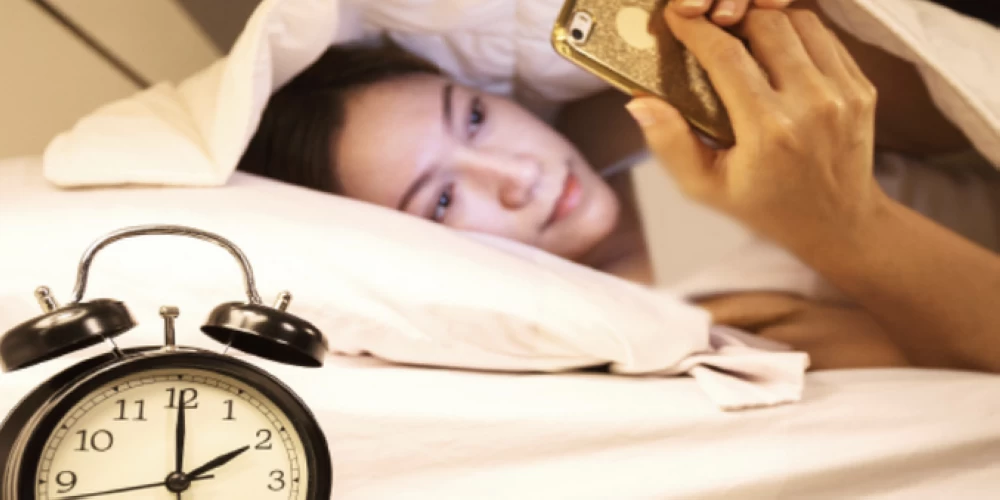
شهدت الأيام الماضية تغيراً واضحاً في نمط حياة الكثيرين، إذ تبدلت ساعات النوم واليقظة بشكل مفاجئ، وتحوّل النشاط اليومي إلى ساعات الليل، بينما قلّ النوم المتصل وتغيّرت مواعيد الوجبات. هذا التحوّل السريع، وبحسب المختصين الصحيين، يؤدي إلى اضطراب الساعة البيولوجية؛ وهي النظام الداخلي الذي ينظم إيقاع الجسم بين النوم والاستيقاظ.
يميل عدد كبير من الناس إلى السهر لوقت متأخر، سواء بسبب التجمعات العائلية، أو متابعة البرامج التلفزيونية، مما يدفعهم إلى النوم نهاراً لتعويض نقص الراحة. ومع استمرار هذا النمط طوال الأيام الماضية، يعتاد الجسم على اليقظة الليلية، فينعكس ذلك سلباً على النشاط النهاري، خصوصاً في الأيام الأولى من بداية الدوام.
وأوضحت وزارة الصحة أن ساعات النوم تقلّ في بعض المواسم ومنها شهر رمضان، إذ يتأخر الكثيرون في النوم إلى ما بعد منتصف الليل، وبالتالي يتأخرون في الاستيقاظ صباحاً، مما يزيد الشعور بالنعاس والخمول خلال النهار. ويظهر هذا التأثير بوضوح لدى الموظفين الذين يعودون إلى أعمالهم مباشرة بعد العيد، إذ يواجهون صعوبة في استعادة نمط النوم الطبيعي بسرعة.
ولا يقتصر أثر اضطراب الساعة البيولوجية على الشعور بالتعب فقط، بل يمتد ليؤثر على التركيز، والقدرة على الإنجاز، والمزاج العام. كما يفقد البعض متعة ساعات الصباح في أيام العيد بسبب استمرار عادة السهر التي اكتسبوها خلال رمضان.
وبيّنت وزارة الصحة، أن هذا الخلل في نظام النوم قد ينعكس سلباً على على الإنسان وإنتاجيته، مسبباً الصداع، وتقلبات المزاج، وضعف التركيز، وصعوبة اتخاذ القرارات وحل المشكلات.
ورغم هذه التحديات، يمكن التخفيف من آثار اضطراب النوم عبر تنظيم مواعيد النوم قدر الإمكان، وتجنب السهر غير الضروري، وتقليل المنبهات في ساعات الليل المتأخرة، مشددة على أهمية الحفاظ على توازن الساعة البيولوجية الذي يساعد على أن يجعل العودة إلى الروتين الطبيعي بعد العيد أكثر سهولة وراحة.
وكشف مختصون لـ«عكاظ» أن تأثيرات تغيير الساعة البيولوجية لم تقتصر على الصداع وتقلب المزاج، بل لها أبعاد نفسية واجتماعية ووظيفية كذلك من ناحية إنتاجية الأعمال.
البُعد الاجتماعي
الأخصائية الاجتماعية آمال عبدالقادر كشفت أن نوم النهار الطويل بعد انقضاء رمضان (ما يعرف بغيبوبة العيد)، هو تعبير اجتماعي يصف حالة الخمول والنوم النهاري التي تظهر لدى بعض الناس بعد نهاية شهر رمضان؛ نتيجة تغير الساعة البيولوجية، ففي رمضان يتحول إيقاع الحياة اليومية من نشاط نهاري إلى نشاط ليلي، إذ تمتد ساعات السهر بعد الإفطار وحتى وقت السحور.
وأضافت عبدالقادر: إن الليل في رمضان لا يقتصر على الترفيه أو متابعة البرامج، بل يتحول إلى مساحة للحياة الاجتماعية، وكثير من الأسر تجتمع في تلك الليالي وتمتد جلساتها حتى وقت السحور، ونتيجة لذلك يصبح الليل مساحة رئيسية للحياة الاجتماعية خلال ذلك الشهر، مما يجعل السهر جزءاً من الثقافة اليومية في رمضان. وأوضحت الأخصائية الاجتماعية أنّ تكرار هذا النمط بعد انقضاء شهر رمضان يؤدي إلى تكيّف الجسم تدريجياً مع النوم المتأخر، ومع انتهاء تلك الأيام تبقى الساعة البيولوجية لدى البعض على التوقيت الرمضاني؛ سهر في الليل ونوم في النهار، وهذا يعكس اضطراباً واضحاً في نمط الحياة، ويؤثر على الصحة الجسدية والنفسية معاً. فحين يختل توازن النوم، يختل معه المزاج، وتقلّ القدرة على التركيز، ويصبح الجسم أقل نشاطاً واستعداداً لمواجهة اليوم. ومع مرور الوقت، يتحول هذا النمط إلى عادة يصعب كسرها، ما لم تكن هناك رغبة حقيقية في إعادة ضبط الإيقاع اليومي والعودة إلى نمط نوم صحي ومنتظم. وعلى الصعيد الاجتماعي، فإن السهر في الليل والنوم في النهار يترك آثاراً تمتد إلى العلاقات والتواصل مع الآخرين. ويجد الإنسان صعوبة في المشاركة في الأنشطة اليومية، كما قد يشعر بالعزلة لأن أوقات يقظته لا تتوافق مع أوقات الآخرين، مما يقلل فرص التفاعل ويضعف الروابط الاجتماعية. ومع مرور الوقت، قد يؤدي هذا الاختلال إلى شعور بالانفصال عن المحيط، وصعوبة في الالتزام بالمسؤوليات الاجتماعية أو العملية، مما يعمّق الإحساس بالضغط والتوتر.
المرض النفسي
أستاذ علم النفس العيادي الدكتور محمد الغامدي، قال: إنه حين يختل النوم، يختل المزاج، ويؤكد خبراء الصحة النفسية ومراكز طب النوم أن السهر المزمن لم يعد مجرد عادة اجتماعية، بل أصبح عاملاً مؤثراً بشكل مباشر في التوازن النفسي وجودة الحياة. وذكر أن اضطراب النوم يؤدي إلى خلل في إفراز هرمونات أساسية مثل الميلاتونين والكورتيزول، ما ينعكس على المزاج والتركيز والاستقرار الانفعالي. ولفت الدكتور الغامدي إلى أن «قليلاً من السهر يؤدي إلى كثير من التوتر» عبارة تؤكدها الدراسات الحديثة؛ إذ تشير إلى أن قلة النوم ترتبط بارتفاع معدلات القلق والاكتئاب وسرعة الانفعال وضعف القدرة على اتخاذ القرار، إضافة إلى تراجع الإنتاجية والشعور بالإرهاق المستمر، وهذا ما نشاهده عند العودة إلى العمل بعد إجازات مطولة أو بعد شهر رمضان المبارك، موضحاً أن اضطراب ما يُعرف بـ«الساعة البيولوجية» يؤثر في وظائف الدماغ المسؤولة عن تنظيم المشاعر، مما يجعل الفرد أكثر عرضة للتوتر واضطرابات المزاج. وأشار إلى أن تعويض النوم في الإجازات لا يعالج الخلل المتراكم، بل قد يزيد من اضطراب الإيقاع اليومي للجسم؛ لأن الساعة البيولوجية لا تتسامح مع الفوضى. ولإعادة ضبط الساعة البيولوجية، نصح الدكتور الغامدي، بأهمية الالتزام بموعد نوم واستيقاظ ثابت يومياً، حتى في أيام الإجازات، مع تجنب الشاشات الإلكترونية قبل النوم بساعة على الأقل. كما يُفضل التعرض لضوء الشمس صباحاً لتحفيز اليقظة الطبيعية، والابتعاد عن المنبهات مساء، وتهيئة بيئة نوم هادئة ومظلمة. موضحاً بأن استعادة نمط النوم المنتظم لا تعزز الصحة الجسدية فحسب، بل تمثل خطوة أساسية نحو استقرار نفسي أفضل وجودة حياة أعلى، فالنوم المنتظم ليس ضعفاً، بل هو وعي بالصحة، فاضطراب النوم بوابة صامتة للقلق والاكتئاب.
نوم متوازن
يشير المختصون في طب النوم إلى أن اضطراب الساعة البيولوجية الناتج عن السهر يمكن علاجه من خلال خطوات عملية تساعد الجسم على استعادة إيقاعه الطبيعي. ويعدّ التعرّض للضوء الطبيعي صباحاً من أهم هذه الخطوات؛ لأنه يعيد ضبط الساعة الداخلية ويعزز الشعور باليقظة. كما ينصح الخبراء بتقليل الإضاءة ليلاً والابتعاد عن الشاشات قبل النوم؛ لأن الضوء الأزرق يؤخر إفراز هرمون الميلاتونين المسؤول عن النعاس. ويؤكد المختصون على ضرورة تثبيت مواعيد النوم والاستيقاظ يومياً، وتجنّب القيلولة الطويلة التي تقلل الحاجة للنوم ليلاً. كما يُفضّل تقليل المنبّهات في المساء، واتباع روتين هادئ قبل النوم يساعد على الاسترخاء. وتنظيم الوجبات وممارسة الرياضة في النهار يساهمان أيضاً في تحسين جودة النوم.
وينصح الخبراء بتعديل وقت النوم تدريجياً ومعالجة الأسباب النفسية أو السلوكية التي تؤدي إلى السهر، إضافة إلى تجنّب النوم الطويل في النهار لضمان عودة الجسم إلى نمط حياة طبيعي ومتوازن.
إنتاجية العمل
خبير الموارد البشرية وسوق العمل زياد صالح السليس قال: «بعد انقضاء شهر رمضان المبارك، يواجه كثير من الناس تغيراً ملحوظاً في الساعة البيولوجية للجسم نتيجة اختلاف نمط النوم والاستيقاظ خلال الشهر الفضيل، ففي رمضان يميل الناس إلى السهر لساعات متأخرة والاستيقاظ في أوقات مختلفة عن المعتاد، مما يؤدي إلى إعادة ضبط مؤقت للساعة الداخلية للجسم، ومع عودة الدوامات الرسمية إلى أوقاتها الطبيعية بعد العيد، قد تظهر بعض التأثيرات على الأداء والتركيز في الأيام الأولى». وأوضح السليس أنه من الناحية السلبية، قد يشعر بعض الموظفين بالإرهاق أو انخفاض مستوى التركيز بسبب اضطراب مواعيد النوم، وهو ما قد يؤثر مؤقتاً على الإنتاجية، لكن في المقابل، يحمل رمضان أيضاً آثاراً إيجابية، إذ يعتاد الكثيرون على الانضباط في أوقات محددة للصلاة والطعام، إضافة إلى تعزيز الصبر والتحكم في العادات اليومية. وذكر أن الجسم غالباً يحتاج ما بين أسبوع إلى أسبوعين ليعود تدريجياً إلى إيقاعه الطبيعي، ولذلك ينصح الخبراء بالعودة التدريجية إلى النوم المبكر، وتنظيم أوقات العمل، وممارسة النشاط البدني، لضمان استعادة التوازن وتحقيق أداء أفضل في بيئة العمل بعد رمضان.
In recent days, there has been a noticeable change in the lifestyle of many, as sleep and wake hours have suddenly shifted, and daily activities have moved to nighttime, while continuous sleep has decreased and meal times have changed. This rapid transformation, according to health specialists, leads to a disruption of the biological clock; which is the internal system that regulates the body's rhythm between sleep and wakefulness.
A large number of people tend to stay up late, whether due to family gatherings or watching television programs, which drives them to sleep during the day to compensate for the lack of rest. With this pattern continuing throughout the past days, the body becomes accustomed to nighttime wakefulness, negatively reflecting on daytime activity, especially in the first days of returning to work.
The Ministry of Health clarified that sleep hours decrease in certain seasons, including the month of Ramadan, as many people delay sleeping until after midnight, and consequently, they wake up later in the morning, increasing feelings of drowsiness and lethargy during the day. This effect is particularly evident among employees who return to their jobs directly after the holiday, as they face difficulties in quickly regaining their normal sleep pattern.
The disruption of the biological clock does not only affect feelings of fatigue, but also extends to concentration, productivity, and overall mood. Some people lose the enjoyment of morning hours during the holiday due to the continuation of the late-night habits they acquired during Ramadan.
The Ministry of Health indicated that this disruption in the sleep system can negatively impact individuals and their productivity, causing headaches, mood swings, decreased concentration, and difficulties in decision-making and problem-solving.
Despite these challenges, the effects of sleep disruption can be alleviated by organizing sleep schedules as much as possible, avoiding unnecessary late nights, and reducing stimulants during late-night hours, emphasizing the importance of maintaining a balance in the biological clock, which helps make the return to a normal routine after the holiday easier and more comfortable.
Experts revealed to "Okaz" that the effects of changing the biological clock are not limited to headaches and mood swings, but also have psychological, social, and functional dimensions in terms of work productivity.
The Social Dimension
Social specialist Amal Abdulqader revealed that long daytime sleep after Ramadan (known as the holiday coma) is a social expression that describes the lethargy and daytime sleep that some people experience after the end of Ramadan, due to changes in the biological clock. During Ramadan, the rhythm of daily life shifts from daytime activity to nighttime activity, as hours of staying up extend after iftar until suhoor.
Abdulqader added that the nights in Ramadan are not limited to entertainment or watching programs, but become a space for social life, with many families gathering during those nights and extending their sessions until suhoor time. As a result, the night becomes a primary space for social life during that month, making staying up late a part of daily culture in Ramadan. The social specialist explained that the repetition of this pattern after the end of Ramadan leads the body to gradually adapt to late-night sleep, and with the end of those days, the biological clock for some remains on Ramadan timing; staying up at night and sleeping during the day, which reflects a clear disruption in lifestyle and affects both physical and mental health. When the balance of sleep is disrupted, mood is also affected, concentration decreases, and the body becomes less active and prepared to face the day. Over time, this pattern turns into a habit that is difficult to break unless there is a genuine desire to reset the daily rhythm and return to a healthy and regular sleep pattern. On a social level, staying up at night and sleeping during the day leaves effects that extend to relationships and communication with others. A person finds it difficult to participate in daily activities and may feel isolated because their waking hours do not align with those of others, reducing opportunities for interaction and weakening social bonds. Over time, this imbalance may lead to feelings of disconnection from the environment and difficulties in fulfilling social or work responsibilities, deepening feelings of pressure and stress.
Mental Illness
Clinical psychology professor Dr. Mohammed Al-Ghamdi stated that when sleep is disrupted, mood is also disrupted, and mental health experts and sleep medicine centers confirm that chronic staying up late is no longer just a social habit, but has become a direct influencing factor on psychological balance and quality of life. He mentioned that sleep disorders lead to disruptions in the secretion of essential hormones such as melatonin and cortisol, which reflect on mood, concentration, and emotional stability. Dr. Al-Ghamdi pointed out that the phrase "a little staying up leads to a lot of stress" is supported by recent studies; as they indicate that lack of sleep is associated with increased rates of anxiety, depression, irritability, and decreased decision-making ability, in addition to reduced productivity and feelings of constant fatigue. This is what we observe when returning to work after long vacations or after the blessed month of Ramadan, explaining that the disruption known as the "biological clock" affects the brain functions responsible for regulating emotions, making individuals more susceptible to stress and mood disorders. He noted that compensating for sleep during vacations does not address the accumulated disruption, but may increase the disturbance of the body's daily rhythm; as the biological clock does not tolerate chaos. To reset the biological clock, Dr. Al-Ghamdi advised the importance of adhering to a fixed sleep and wake time daily, even on vacation days, avoiding electronic screens at least an hour before sleep. It is also preferable to expose oneself to sunlight in the morning to stimulate natural wakefulness, avoid stimulants in the evening, and create a calm and dark sleep environment. He clarified that restoring a regular sleep pattern not only enhances physical health but also represents a fundamental step towards better psychological stability and higher quality of life; regular sleep is not a weakness, but rather an awareness of health, as sleep disorders are a silent gateway to anxiety and depression.
Balanced Sleep
Sleep medicine specialists indicate that disruptions in the biological clock resulting from staying up late can be treated through practical steps that help the body regain its natural rhythm. Exposure to natural light in the morning is one of the most important of these steps; as it resets the internal clock and enhances the feeling of wakefulness. Experts also recommend reducing lighting at night and avoiding screens before sleep; as blue light delays the secretion of melatonin, the hormone responsible for drowsiness. Specialists emphasize the necessity of fixing sleep and wake times daily and avoiding long naps that reduce the need for nighttime sleep. It is also preferable to reduce stimulants in the evening and follow a calming routine before sleep that helps with relaxation. Organizing meals and exercising during the day also contribute to improving sleep quality.
Experts recommend gradually adjusting sleep time and addressing the psychological or behavioral causes that lead to staying up late, in addition to avoiding long daytime sleep to ensure the body returns to a normal and balanced lifestyle.
Work Productivity
Human resources and labor market expert Ziad Saleh Al-Salees stated: "After the blessed month of Ramadan, many people face a noticeable change in the body's biological clock due to the difference in sleep and wake patterns during the holy month. During Ramadan, people tend to stay up late and wake up at different times than usual, leading to a temporary reset of the body's internal clock. With the return of official working hours to their normal times after the holiday, some effects may appear on performance and concentration in the first days." Al-Salees explained that negatively, some employees may feel fatigued or experience a decrease in concentration due to disrupted sleep schedules, which may temporarily affect productivity. However, on the other hand, Ramadan also has positive effects, as many people become accustomed to discipline in specific times for prayer and food, in addition to enhancing patience and control over daily habits. He mentioned that the body often needs between one week to two weeks to gradually return to its natural rhythm, and therefore experts recommend a gradual return to early sleep, organizing work times, and engaging in physical activity to ensure balance is restored and better performance is achieved in the work environment after Ramadan.