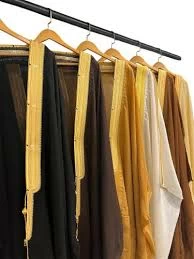
يمثل المشلح (البشت) رمزاً أصيلاً للوقار في المناسبات الاجتماعية في السعودية، كما يمثل عراقة الموروث والأناقة في العيد، ويحرص الكثير على ارتدائه في المناسبات الرسمية والعيدين، ويتصاعد الطلب على المشالح عند اقتراب المواسم باعتباره رمزاً للفخامة والاحتفال في الثقافة المحلية، ورمزاً تقليدياً للاحتفال، وتحدد أسعار المشالح جودة القماش ونوعية الخياطة، فاليدوية هي الأغلى، كما تشكل دقة التطريز أحد أسباب تحديد السعر للمشلح، فيما تعرف المشالح الأحسائية بأنها الأغلى بين المشالح لأنها تطرز يدوياً.
وتوفرت للمشالح في زمان مضى أربعة ألوان؛ الأبيض والأسود والعودي والأشقر.
وفي الزمن الحالي دخلت سبعة ألوان اللون السكري أو الأصفر والعودي والأسود، والأشقر أو البني الفاتح، والبيج، والأبيض، واللون البني.
The mishlah (bisht) represents an authentic symbol of dignity at social events in Saudi Arabia, as well as embodying the richness of heritage and elegance during Eid. Many people are keen to wear it on official occasions and during the two Eids. The demand for mishlahs increases as the seasons approach, as it is considered a symbol of luxury and celebration in local culture, and a traditional emblem of festivity. The prices of mishlahs are determined by the quality of the fabric and the type of stitching, with handmade ones being the most expensive. Additionally, the precision of the embroidery is one of the factors that determine the price of the mishlah, while the Al-Ahsa mishlahs are known to be the most expensive among them because they are embroidered by hand.
In the past, mishlahs were available in four colors: white, black, brown, and blonde.
In the present time, seven colors have been introduced: creamy or yellow, brown, black, blonde or light brown, beige, white, and brown.