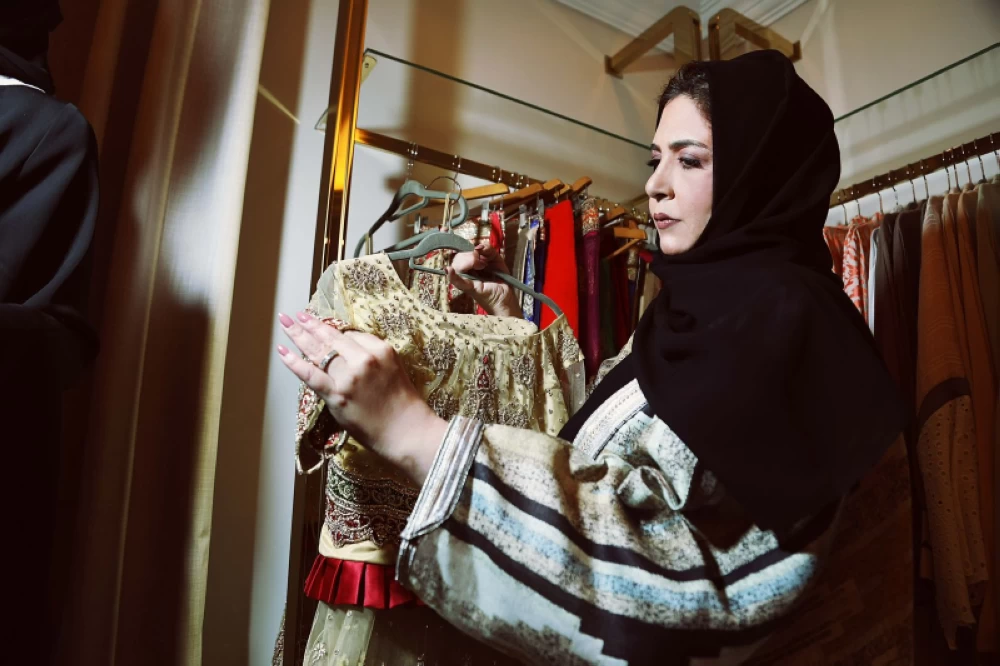
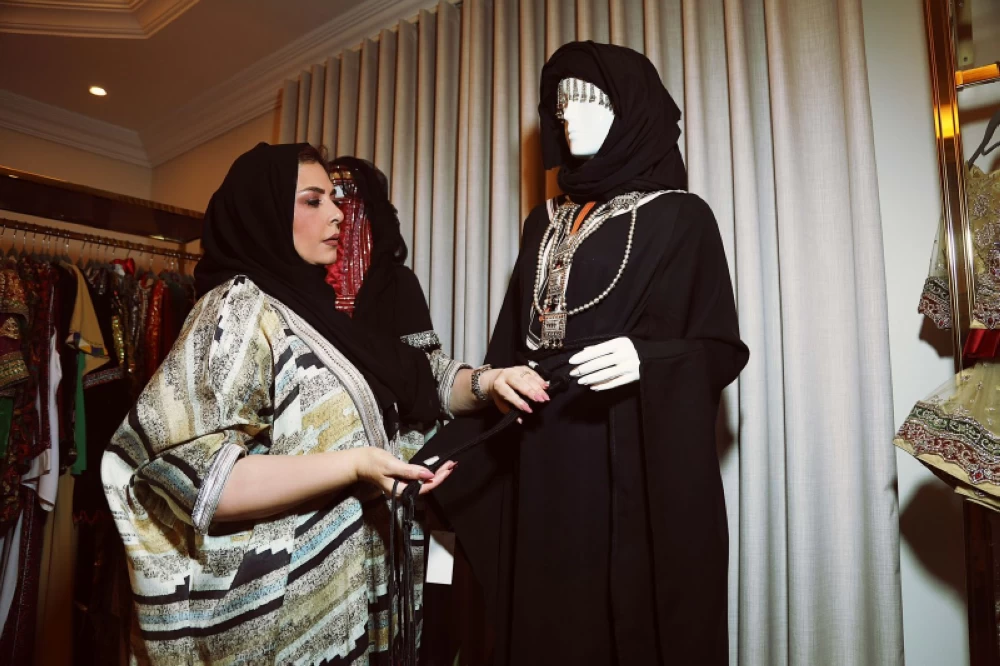
مع حلول شهر رمضان، تعود الجلابية لتتصدر مشهد الأناقة للمرأة السعودية، فهي تجمع بين الراحة والأناقة والاحتشام، وتُعبّر عن روح الشهر الفضيل. لم تعد مجرد زي يومي، بل رمز أنوثة متجددة ترافق المرأة في التجمعات العائلية، وليالي السحور والضيافة الرمضانية، لتكون جزءاً من دفء البيت السعودي وروحانيته.
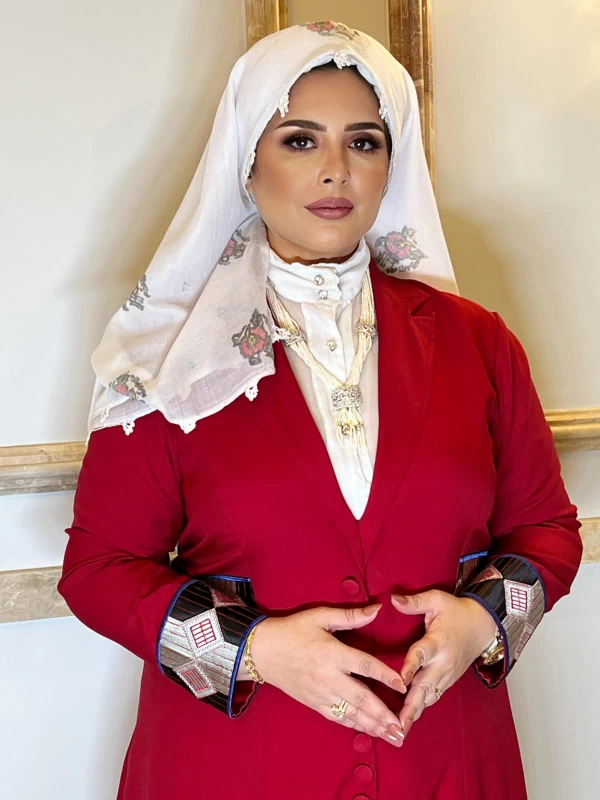
وحول هذا الموروث أوضحت مصممة الأزياء خبيرة التراث الدكتورة رانية فاروق خوقير، أن ارتداء الجلابية في رمضان مرتبط بموروث اجتماعي وثقافي عميق، إذ اعتادت المرأة السعودية على اختيار الملابس الواسعة والخفيفة داخل المنزل وخارجه، بما ينسجم مع أجواء العبادة والضيافة. ومع مرور الوقت، تحولت الجلابية من لباس منزلي بسيط إلى قطعة أنيقة تحمل لمسات فنية وزخارف مستوحاة من التراث، لتواكب الذوق العصري مع الحفاظ على أصالتها. وأشارت إلى أن أجواء رمضان تنعكس على ألوان الجلابيات، إذ تهيمن الدرجات الناعمة والدافئة مثل الأبيض، والسكري، والبيج، والوردي الباستيل، والأخضر الزيتوني، ما يضيف إحساساً بالطمأنينة داخل البيت السعودي. أما الألوان الداكنة كالأسود والكحلي والعنابي، فتمنح إطلالات السهرات والمساءات الرمضانية لمسة فخامة وأناقة.
وتقول: من واقع التعامل مع السيدات فهن يفضلن الخامات الطبيعية والخفيفة مثل القطن، والكتان، والفسكوز، والحرير والكريب، لما توفره من راحة وانسيابية، مع تطريزات وزخارف تعكس ذوق المرأة ودفء بيتها، وتنسجم مع الهوية الثقافية الرمضانية.
واليوم، لم تعد الجلابية مجرد قطعة موسمية، بل أصبحت رمزاً للبيت السعودي والسيدة السعودية في رمضان، حكاية أنوثة تجمع بين الراحة والجمال والأصالة، وتُعبّر عن الانتماء والذاكرة الاجتماعية المتوارثة عبر الأجيال، لتجعل الشهر الفضيل أكثر دفئاً وجمالاً.
With the arrival of the month of Ramadan, the jalabiya returns to take center stage in the elegance of Saudi women, as it combines comfort, style, and modesty, reflecting the spirit of this holy month. It has become more than just a daily outfit; it is a symbol of renewed femininity that accompanies women during family gatherings, suhoor nights, and Ramadan hospitality, becoming part of the warmth and spirituality of the Saudi home.
Regarding this heritage, fashion designer and heritage expert Dr. Rania Farouk Khawqir explained that wearing the jalabiya during Ramadan is linked to a deep social and cultural heritage, as Saudi women have become accustomed to choosing loose and lightweight clothing both at home and outside, in harmony with the atmosphere of worship and hospitality. Over time, the jalabiya has transformed from a simple home garment into an elegant piece adorned with artistic touches and patterns inspired by heritage, keeping pace with modern taste while preserving its authenticity. She pointed out that the atmosphere of Ramadan is reflected in the colors of the jalabiyas, with soft and warm shades like white, cream, beige, pastel pink, and olive green dominating, adding a sense of tranquility to the Saudi home. Dark colors such as black, navy blue, and burgundy lend a touch of luxury and elegance to evening and nighttime Ramadan appearances.
She says: Based on my experience with women, they prefer natural and lightweight fabrics such as cotton, linen, viscose, silk, and crepe, as they provide comfort and fluidity, along with embroidery and decorations that reflect the woman's taste and the warmth of her home, aligning with the cultural identity of Ramadan.
Today, the jalabiya is no longer just a seasonal piece; it has become a symbol of the Saudi home and the Saudi woman during Ramadan, a tale of femininity that combines comfort, beauty, and authenticity, expressing belonging and the social memory passed down through generations, making the holy month warmer and more beautiful.