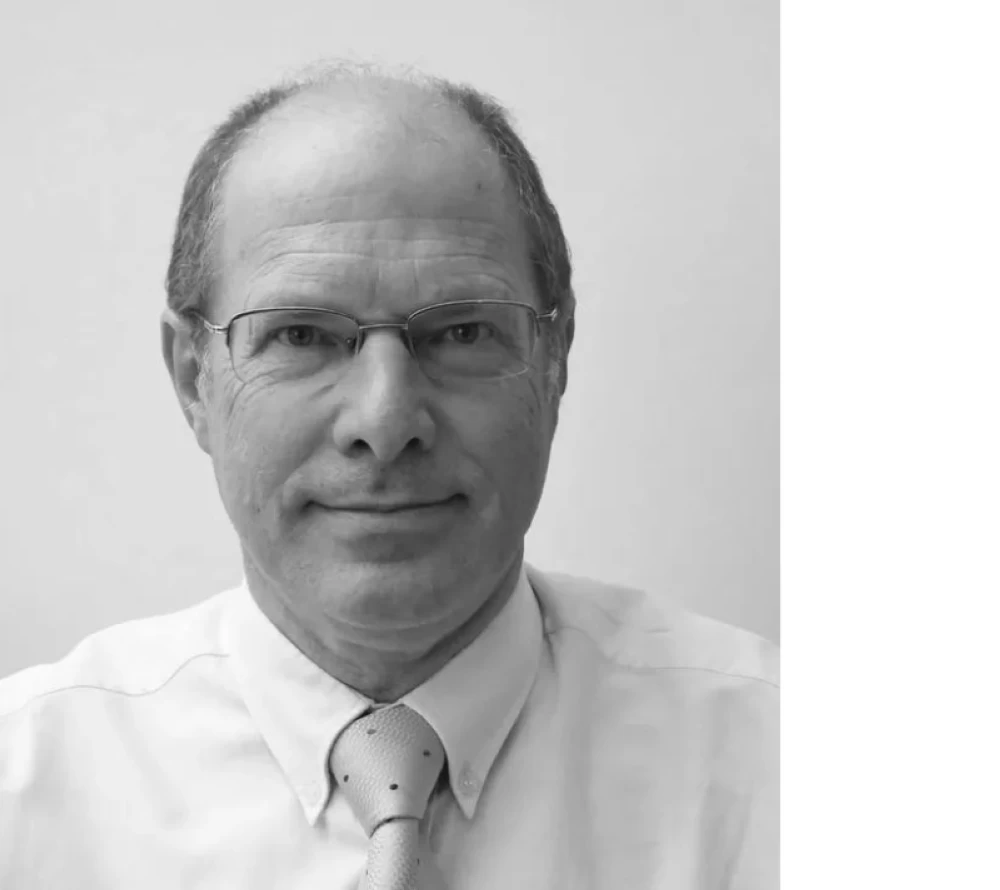
يقدم الخبير في العلاقات الأوروبية العربية لويس بلان، من خلال كتبه الثلاثة، علاقة نابليون وفيكتور هيغو ولامارتين بالإسلام، عبر قراءة متوازنة بعيدة عن الصور النمطية والتفسيرات التبسيطية، ويضيء حلقة مبهمة من رحلة الحوار بين الغرب والشرق. كما يسلّط المؤلف الضوء على الفضول الفكري لهؤلاء العمالقة في التاريخ الفرنسي تجاه الإسلام، مشيراً في الوقت نفسه إلى الأبعاد السياسية والرمزية للمقاربات التي اعتمدها كل واحد منهم في معرفة الإسلام. وفي كتبه الثلاثة، حاول بلان فهم كيفية إدراك هؤلاء للقيم الإسلامية.
فمثلاً كيف استطاع نابليون قراءة الإسلام ومحاولته توظيفه لأغراض سياسية، مع دراسة تأثير هذا اللقاء في تاريخ العلاقات بين فرنسا والعالم الإسلامي، واستطاع أن يشخص تعطش فيكتور هوغو لقيم الإسلام الذي مثّل له مصدراً يروي عطشه الإسكاتولوجي، وموضوعاً للإلهام والتأمل في سعيه المحموم إلى الروحانية.
مراجع تاريخية في الهوامش
• معظم كتاباتك التي نشرت أخيراً تتحدث عن علاقة عمالقة التاريخ الفرنسي بالدين الإسلامي، فهل هناك أرشيف تاريخي يؤسس لما كتبته عنهم؟
•• أنا مؤرّخ، ولذلك فإن كتبي تستند بالكامل إلى مراجع تاريخية مذكورة في الهوامش، ويمكن للقارئ التحقّق منها.
• ماذا عن نابليون، الذي رأى في نبي الله محمد (صلى الله عليه وسلم) قدوة للإنسانية عبر العصور، وهل فعلاً استوحى من الإسلام خطاباته أمام جمهوره؟
•• كان نابليون معجباً بالنبي محمد (صلى الله عليه وسلم)، الذي كان يعتبره قدوة وما جذبه أكثر هو الإسلام ككل، ولا سيّما لدوره الاجتماعي، ولعقلانيته وتسامحه. يعتقد الكثيرون، أن الخطاب المتعاطف مع الإسلام الذي ألقاه أثناء حملته على مصر كان يهدف إلى استمالة المصريين، وبالتالي لم يكن صادقاً. غير أن البحث التاريخي الذي أجريته يثبت العكس. فمثل أي سياسي، كان يسعى إلى كسب إعجاب جمهوره، ولكن ليس هذا فحسب، إذ وجَّه الخطاب نفسه إلى جنوده وإلى الفرنسيين عبر الصحافة الباريسية. علاوة على ذلك، عبّر عن الأفكار ذاتها عندما كان في منفاه في سانت هيلانة حيث لم يكن هناك مصريون، ولم يكن له أي طموح سياسي بعد ذلك. ومن ثمّ، فقد كان صادقاً في قناعته.
• لكنه أراق الكثير من دماء المسلمين.
•• يُقال إنه قتل كثيراً من المسلمين، وهذا صحيح، لكنه قتل عدداً أكبر من المسيحيين. لقد أراد نابليون التوفيق بين كاثوليكية مفروضة وإسلام مختار. فهل كان مسلماً صالحاً؟ أترك لكلٍّ حرية الإجابة عن هذا السؤال.
فيكتور هوغو لم ينتمِ إلى أي دين
• هل أشهر نابليون ولامارتين وفيكتور هيغو إسلامهم، ولماذا لا يتحدث الوسط الثقافي الفرنسي عن ذلك؟
•• لم يرغب فيكتور هوغو يوماً في الانتماء إلى أيّ دين، رغم افتتانه بالنبيّ محمد (صلى الله عليه وسلم). أمّا لامارتين، فكان كاثوليكياً متديناً، لكنه طبق روحانيّة الإسلام على نفسه، ولهذا السبب أصفه بـ«الكاثوليكي المسلم». أعلن نابوليون إسلامه في أكثر من مناسبة، وأضاف، أنّ «الإسلام هو أجمل الديانات». لكنه لم يتخلَّ قط عن الكاثوليكية التي تربّى عليها، لأنه كان يعتبر أنّ على رئيس الدولة أن يعتنق دين شعبه. عموماً، لم يشأ الفرنسيون الاعتراف بأنّ هؤلاء الرجال الثلاثة المشهورين كانوا من محبي الإسلام أو حتى مسلمين. هناك إنكار عام للواقع، واعٍ أم غير واعٍ، مرتبط بالإسلاموفوبيا الموروثة من الحقبة الاستعمارية. لقد أهملت دراسة الأدب الفرنسي المكانة التي يحتلها الإسلام فيه، وكان الاستعمار الفرنسي للجزائر هو السبب الرئيسي في ذلك. فقد ميّزت السلطات الفرنسية قانونياً بين المستوطنين والأهالي، وجعلت من الدين الإسلامي عِرقاً قائماً بذاته. وبهذا أسست لرُهابٍ موروث من العصور الوسطى، فالأدب الفرنسي الكلاسيكي مشبع بالإسلام، لكنه غير مرئي في الدراسات النقدية لهذا الأدب.
فكرة كون الأدب الفرنسي مشبعاً بالإسلام كانت أمراً يناقض البنية الفكرية القائمة، لذلك تمّ إخفاء هذه الحقيقة بشكل غير واعٍ لتدعيم الهيمنة الاستعمارية. ولم يُدرك ذلك إلا بعد مرور زمنٍ طويل على انتهاء الاستعمار، وما يطفو اليوم من موجة الإسلاموفوبيا التي تجتاح أوروبا ليس سوى استمرار لرفض الاعتراف بالجانب العربي والإسلامي في ثقافتها، وهو جانب أقدم بكثير من موجات الهجرة الكبرى في القرن العشرين.
• لكن ألا يعتبر هذا التفافاً على حقائق تاريخية تتعلق بشخصيات أثرت حوارات الحضارات بما قدمته عن الإسلام؟
•• فيكتور هوغو ولامارتين ونابوليون هم ضحايا هذه المسيرة التاريخية، ويمكن للمسلمين الفرنسيين اليوم أن يفخروا بأنّ أعظم الكتّاب الفرنسيين قد احترموا النبيّ محمد (صلى الله عليه وسلم)، والأهم هو تقدير ما قدّموه من إسهام في تعزيز الأخوّة بين الشرق والغرب. إن هذا الإرث المنسي أو المُغفل يجعل منهم ترياقاً فريداً ضد ما يُسمّى «صدام الحضارات» الذي ليس في الحقيقة سوى صدام الجهل.
سنواتي الاستثنائية في جدة
• عندما تكتب عن المملكة العربية السعودية نشعر وكأن هناك حنيناً لأيامك التي عشتها بجدة.. هل هذا الانطباع صحيح؟
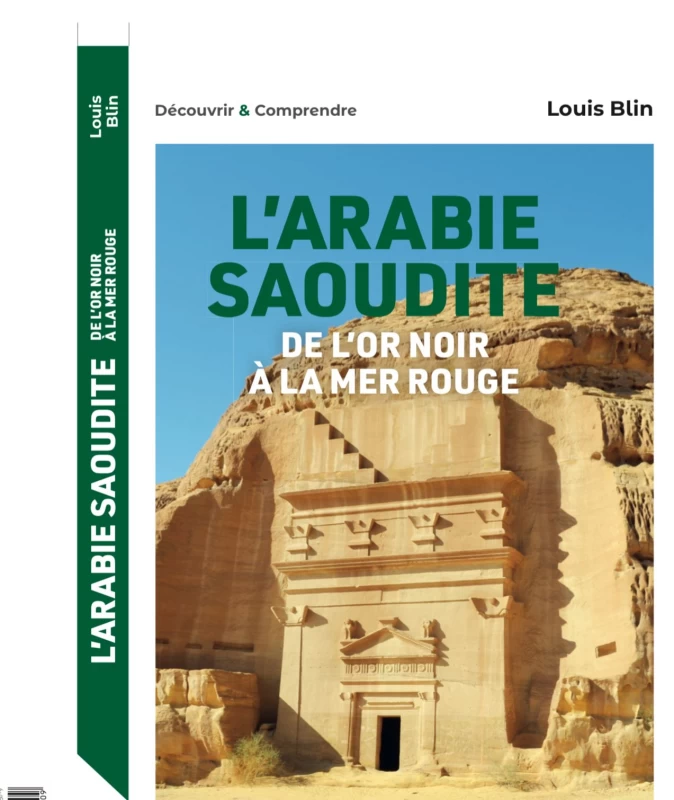
•• قضيتُ أربع سنوات استثنائية في جدة، وأعتبر أن الكتب الستة التي كتبتها عن السعودية بعد إقامتي هناك هي بمثابة سدادٍ للدين الذي عقدته نتيجة الاستقبال الذي حظيتُ به. إن الفرنسيين والسعوديين يجهلون الماضي الذي يجمعهم. وكان هدفي الأول إعادة اكتشاف وشرح الكتابات والأيقونات الفرنسية عن الجزيرة العربية منذ القرن الثامن عشر، وهي غاية في الغنى والتنوّع. كما سعيتُ إلى تقديم صورة عن السعودية المعاصرة للجمهور الفرنسي، الذي يجهلها إلى حدٍّ كبير، من أجل التقريب بين الشعبين. أركز اهتمامي على الثقافة، لأنها السبيل الأمثل لفهم البلدان. يعرف السعوديون فرنسا معرفةً أفضل بكثير مما يعرف الفرنسيون عن السعودية. إن انفتاح المملكة العربية السعودية على الخارج منذ عام 2016 يمثل فرصة ينبغي اغتنامها.
هؤلاء جديرون بالاحترام
• عشت كثيراً في العالم العربي بحكم عملك، هل تشكلت لديك فكرة عن الدين الإسلامي؟
•• أنا مسلم، فقد اعتنقت الإسلام مذ تزوجت فلسطينية العام 1981.
* كنت تقضي فترات طويلة من السنة في البلدان الإسلامية، ما الصورة التي تشكلت لديك عن شهر رمضان؟
•• عملتُ في ستة بلدان عربية؛ الجزائر، المغرب، مصر، سورية، الإمارات العربية المتحدة، المملكة العربية السعودية، كما زرتُ بلداناً أخرى خلال شهر رمضان. هذا الشهر مقدّس بالطبع، ولكنه أيضاً كنز من الأُلفة والروح الاجتماعية يمكن للعالم بأسره أن يستلهم منه القيم. المسلمون الذين يصومون في بلدان ذات أقليات إسلامية يُعدّون حقاً جديرين بالإعجاب.
تصاعد الإسلاموفوبيا
• بحكم التواصل الثقافي والحضاري، كيف ترى أثر التعايش بين الشعوب باعتباره قيمة ثقافية وإنسانية عليا؟
•• التسامح الذي يعرف به الدين الإسلامي مثل مفتاح نجاح هذا الدين عبر العصور لدى الشعوب على اختلاف أصولها. والتاريخ الإسلامي شاهد على ذلك، ومن المؤسف أن قلة من الغربيين يعرفون هذا الأمر. غير أن التعصب الذي نما بين المسلمين في العصر الحديث يناقض هذه التقاليد العريقة التي امتدت لأكثر من ألف عام ويسيء إلى دينهم. إن استغلال الدين لأغراض سياسية يشوّه طبيعته أيّاً كان هذا الدين. ولا ينبغي أن ننسى أبداً أن الإسلام والغرب يمثلان وجهين لعملة واحدة صيغت عبر التاريخ.
للأسف نعيش في زمنٍ يشهد تصاعداً للإسلاموفوبيا في البلدان الغربية، غير أنه لا ينبغي لنا أن نفقد الأمل. فهذا يعكس أزمة هُوية مرتبطة بانحطاطها العام. إن سلوكها الحالي مدان، لكنه مرتبط بظرفٍ يمكن أن يكون عابراً. وهو لا يُبطل الجوانب الإيجابية في الثقافة الغربية. فقد كتب ألفونس دو لامرتين في السياق ذاته قائلا إن: «الدم الذي يلوث الرجال لا يلطخ الفكرة». فالثقافة التي انبثقت من عصر الأنوار وتطورت على أيدي كبار الكتّاب ستبقى دائماً مرجعاً إنسانياً وعالمياً، رغم الانحرافات الاستعمارية وما بعد الاستعمارية التي ناقضتها. إنّ الثقافة، مثل الدين، تُستغل كثيراً من قِبل أولئك الذين يتذرعون بها. فمثلاً، لم يشأ الفرنسيون أن يتذكروا المديح الذي عبّر عنه نابوليون ولامرتين وفيكتور هوغو وغيرهم من المثقفين المشهورين للإسلام. إنهم يخونون ذاكرتهم والجانب الإسلامي من ثقافتهم. وأنا أسعى لإصلاح هذا النسيان.
الحوار بين أتباع الأديان ضروري
• هل أثمر الحوار بين أتباع الأديان في تخفيف حدة الحساسيات وردود الأفعال العاطفية تجاه بعضهم؟
•• إن الحوار بين أتباع الأديان ضروري لكي يتعرف أتباعها بعضهم على بعض، ويتقدّروا بعضهم بعضاً، ويدركوا أن المشكلة الأساسية ليست بينهم، بل مع أولئك الذين يرفضون القيم الدينية المشتركة بين الجميع. فالروحانية تجمع بين جميع الأديان، رغم اختلافاتها العقائدية. غير أن هذا الحوار، في حد ذاته، لا يمكنه تهدئة العنف السياسي الذي يستغل الدين في كثير من الأحيان لأغراض سلطوية. وأعتقد أنه لا ينبغي أن نطلب من الأديان أو من رجال الدين حلّ المشاكل السياسية، لأن ذلك سيؤدي بنا إلى الوقوع مجدداً في فخ التلاعب. من الأفضل أن نطلب من السياسيين أن يحترموا الأديان ورسائلها.
العالم أصبح أكثر عنفاً
• هل يمكن أن تعزز الثقافة ما هدمته السياسة؟
•• لقد كنت أؤمن دائماً بأن السياسة يمكن أن تُقلّل من العنف في العالم، ولذلك مارستُ الدبلوماسية لمدة 30 عاماً. لكنني كنت مخطئاً، فالعالم أصبح أكثر عنفاً لأن الناس لم يعودوا يُصغون إلى بعضهم بعضاً. أعتقد الآن أن الثقافة تُهذّب النفوس، وأن دراسة الثقافة الدينية والدنيوية التي طوّرتها الشعوب عبر التاريخ يمكن أن تُسهم في مكافحة التعصّب. وأنا أعرف الكثير من المسلمين الفرنسيين الذين يشاطرونني هذا التصوّر. فالثقافة يمكن أن تُقرّب بين الناس حينما تُفرّقهم السياسة.
• ما دور الرموز الدينية والثقافية في ترسيخ الأنسنة؟
•• الأديان جديرة بالإعجاب، لكنها أيضاً انعكاس لما يصنعه البشر بها. لقد اعتنق بونابرت الإسلام في مصر، ثم قام بمجزرة ضد المسلمين المصريين. كانت رغبته في السلطة تفوق أي اعتبار آخر، ودفعته إلى ذبح كل من لم يطع أوامره، سواء كان مسلماً أو مسيحياً! والكثير من المسلمين من مختلف الأصول، للأسف، تصرفوا بالطريقة نفسها.
• ما المطلوب من المسلم المقيم في أوروبا أو الزائر لها و لفرنسا تحديداً؟
•• قد يُصاب المسلمون الفرنسيون، أو أولئك الذين يزورون فرنسا في أيامنا هذه، بالصدمة وبحقّ من مظاهر التعصّب التي تستهدف دينهم وأتباعه. لكن لا ينبغي لهم أن يستنتجوا أحكاماً نهائية من ذلك. فمنذ عصر الأنوار، كانت الثقافة الفرنسية تسير على قدمين، بين التسامح والتعصّب، والعنصرية ومناهضتها. وإذا كنّا الآن في قاع الموجة، فهذا يعني أن التيار سيرتفع من جديد. إن احترام الإسلام من قِبَل الكتّاب الفرنسيين المشهورين عالمياً، الذين كرّست مؤلفاتي لهم، كفيل بأن يبعث على التفاؤل. وليس من الضروري أن يكون الإنسان مسلماً كي يحترم الإسلام، كما أثبت ذلك مفكرونا الأكثر شهرة.
• ما تعليقكم على تحولات المشهد الثقافي والاجتماعي في المملكة؟
•• تمرّ السعودية بمرحلة انتقالية متسارعة ومثيرة، يعيشها مواطنوها بشغف ويتابعها الآخرون باهتمام. ويؤدي فيها الشباب السعودي، ولا سيما النساء، دوراً بارزاً. ولعلّ أكثر ما يثير إعجاب المؤرخ الذي أنا عليه هو أن يحدث هذا التحوّل الكبير بطريقة سلمية وناضجة، في حين أنّ شعوباً أخرى لم تتمكن من استيعاب تغيّرات مماثلة إلا عبر الصراعات الداخلية.
أُقدّم أطيب التمنّيات لشعب المملكة بحلول شهر رمضان. فمستقبلنا المشترك لا يتوقف إلا علينا نحن.
The expert in European-Arab relations, Louis Blanc, through his three books, presents the relationship between Napoleon, Victor Hugo, and Lamartine with Islam, through a balanced reading that is free from stereotypes and simplistic interpretations, shedding light on an obscure chapter of the dialogue journey between the West and the East. The author also highlights the intellectual curiosity of these giants in French history towards Islam, while simultaneously pointing out the political and symbolic dimensions of the approaches each of them adopted in understanding Islam. In his three books, Blanc attempts to understand how these figures perceived Islamic values.
For example, how was Napoleon able to read Islam and attempt to utilize it for political purposes, while studying the impact of this encounter on the history of relations between France and the Islamic world? He was able to diagnose Victor Hugo's thirst for Islamic values, which represented for him a source that quenched his eschatological thirst, and a subject of inspiration and contemplation in his frantic pursuit of spirituality.
Historical references in the footnotes
• Most of your recently published writings discuss the relationship of the giants of French history with Islam. Is there a historical archive that supports what you have written about them?
•• I am a historian, and thus my books are entirely based on historical references mentioned in the footnotes, which the reader can verify.
• What about Napoleon, who saw the Prophet Muhammad (peace be upon him) as a model for humanity throughout the ages? Did he really draw inspiration from Islam for his speeches to his audience?
•• Napoleon admired the Prophet Muhammad (peace be upon him), whom he considered a role model, and what attracted him more was Islam as a whole, especially for its social role, rationality, and tolerance. Many believe that the sympathetic discourse towards Islam that he delivered during his campaign in Egypt aimed to win over the Egyptians and was therefore insincere. However, the historical research I conducted proves otherwise. Like any politician, he sought to win the admiration of his audience, but not only that; he directed the same discourse to his soldiers and to the French through the Parisian press. Moreover, he expressed the same ideas when he was in exile in Saint Helena, where there were no Egyptians, and he had no political ambitions thereafter. Thus, he was sincere in his conviction.
• But he spilled much Muslim blood.
•• It is said that he killed many Muslims, and that is true, but he killed a greater number of Christians. Napoleon wanted to reconcile imposed Catholicism with chosen Islam. Was he a good Muslim? I leave it to each person to answer this question.
Victor Hugo did not belong to any religion
• Did Napoleon, Lamartine, and Victor Hugo declare their Islam, and why does the French cultural milieu not talk about that?
•• Victor Hugo never wanted to belong to any religion, despite his fascination with the Prophet Muhammad (peace be upon him). As for Lamartine, he was a devout Catholic, but he applied the spirituality of Islam to himself, which is why I describe him as a "Catholic Muslim." Napoleon declared his Islam on more than one occasion, adding that "Islam is the most beautiful of religions." However, he never abandoned the Catholicism he was raised in, as he believed that a head of state should adopt the religion of his people. In general, the French did not want to acknowledge that these three famous men were lovers of Islam or even Muslims. There is a general denial of reality, conscious or unconscious, linked to the Islamophobia inherited from the colonial era. The study of French literature has neglected the status of Islam within it, and the French colonization of Algeria was the main reason for that. The French authorities legally distinguished between settlers and natives, making Islam a distinct ethnicity. This established a legacy of fear inherited from the Middle Ages; classical French literature is saturated with Islam, but it is invisible in the critical studies of this literature.
The idea that French literature is saturated with Islam contradicted the existing intellectual structure, so this truth was unconsciously hidden to support colonial dominance. It was only long after the end of colonialism that this was realized, and what is surfacing today in the wave of Islamophobia sweeping Europe is merely a continuation of the refusal to acknowledge the Arab and Islamic aspect of its culture, which is much older than the major waves of migration in the twentieth century.
• But isn’t this a circumvention of historical facts related to figures who influenced the dialogues of civilizations with what they presented about Islam?
•• Victor Hugo, Lamartine, and Napoleon are victims of this historical journey, and French Muslims today can be proud that the greatest French writers respected the Prophet Muhammad (peace be upon him), and the most important thing is to appreciate their contribution to enhancing brotherhood between the East and the West. This forgotten or overlooked legacy makes them a unique antidote against what is called the "clash of civilizations," which is in reality nothing but a clash of ignorance.
My exceptional years in Jeddah
• When you write about Saudi Arabia, we feel as if there is a nostalgia for the days you spent in Jeddah.. Is this impression correct?
•• I spent four exceptional years in Jeddah, and I consider the six books I wrote about Saudi Arabia after my stay there as a repayment of the debt I incurred due to the reception I received. The French and Saudis are unaware of the past that unites them. My primary goal was to rediscover and explain the French writings and icons about the Arabian Peninsula since the eighteenth century, which are rich and diverse. I also sought to present a picture of contemporary Saudi Arabia to the French audience, which is largely ignorant of it, in order to bridge the gap between the two peoples. I focus my attention on culture, as it is the best way to understand countries. Saudis know France much better than the French know about Saudi Arabia. The openness of Saudi Arabia to the outside world since 2016 represents an opportunity that should be seized.
These are worthy of respect
• You have lived extensively in the Arab world due to your work; have you formed an idea about Islam?
•• I am a Muslim; I embraced Islam when I married a Palestinian woman in 1981.
* You used to spend long periods of the year in Islamic countries; what image have you formed about the month of Ramadan?
•• I worked in six Arab countries: Algeria, Morocco, Egypt, Syria, the United Arab Emirates, and Saudi Arabia, and I also visited other countries during the month of Ramadan. This month is sacred, of course, but it is also a treasure of familiarity and social spirit from which the whole world can draw values. Muslims who fast in countries with Islamic minorities are truly admirable.
The rise of Islamophobia
• Given the cultural and civilizational communication, how do you see the impact of coexistence between peoples as a supreme cultural and human value?
•• The tolerance that is known of Islam is like the key to the success of this religion throughout the ages among peoples of different origins. Islamic history is a witness to that, and it is unfortunate that few Westerners know this. However, the fanaticism that has grown among Muslims in modern times contradicts these ancient traditions that have lasted for over a thousand years and harms their religion. The exploitation of religion for political purposes distorts its nature, whatever that religion may be. We must never forget that Islam and the West represent two sides of the same coin shaped throughout history.
Unfortunately, we live in a time witnessing a rise in Islamophobia in Western countries, but we must not lose hope. This reflects a crisis of identity linked to its general decline. Its current behavior is condemned, but it is related to a condition that may be transient. It does not negate the positive aspects of Western culture. Alphonse de Lamartine wrote in this context, saying: "The blood that stains men does not tarnish the idea." The culture that emerged from the Age of Enlightenment and developed under the hands of great writers will always remain a human and global reference, despite the colonial and post-colonial deviations that contradicted it. Culture, like religion, is often exploited by those who invoke it. For example, the French did not want to remember the praise expressed by Napoleon, Lamartine, Victor Hugo, and other famous intellectuals for Islam. They betray their memory and the Islamic aspect of their culture. I strive to rectify this forgetfulness.
Dialogue between followers of religions is essential
• Has dialogue between followers of religions yielded results in alleviating sensitivities and emotional reactions towards each other?
•• Dialogue between followers of religions is essential for them to get to know each other, appreciate each other, and realize that the fundamental problem is not between them, but with those who reject the shared religious values among all. Spirituality unites all religions, despite their doctrinal differences. However, this dialogue, in itself, cannot calm the political violence that often exploits religion for authoritarian purposes. I believe we should not ask religions or religious leaders to solve political problems, as this would lead us to fall again into the trap of manipulation. It is better to ask politicians to respect religions and their messages.
The world has become more violent
• Can culture repair what politics has destroyed?
•• I have always believed that politics can reduce violence in the world, which is why I practiced diplomacy for 30 years. But I was wrong; the world has become more violent because people no longer listen to each other. I now believe that culture refines souls, and that studying the religious and worldly cultures that peoples have developed throughout history can contribute to combating fanaticism. I know many French Muslims who share this vision with me. Culture can bring people closer when politics divides them.
• What is the role of religious and cultural symbols in establishing humanization?
•• Religions are admirable, but they are also a reflection of what humans make of them. Bonaparte embraced Islam in Egypt, then committed a massacre against the Egyptian Muslims. His desire for power exceeded any other consideration, driving him to slaughter anyone who did not obey his orders, whether Muslim or Christian! And many Muslims from various backgrounds, unfortunately, acted in the same way.
• What is required of a Muslim residing in Europe or visiting it, particularly France?
•• French Muslims, or those visiting France these days, may be justifiably shocked by the manifestations of fanaticism targeting their religion and its followers. However, they should not draw final judgments from that. Since the Age of Enlightenment, French culture has walked on two legs, between tolerance and fanaticism, racism and its opposition. If we are now at the bottom of the wave, it means that the tide will rise again. The respect for Islam by world-renowned French writers, to whom my works are dedicated, is enough to inspire optimism. One does not have to be a Muslim to respect Islam, as proven by our most famous thinkers.
• What is your comment on the transformations in the cultural and social scene in the Kingdom?
•• Saudi Arabia is undergoing a rapid and exciting transitional phase, which its citizens are experiencing with passion and others are following with interest. In this phase, Saudi youth, especially women, play a prominent role. Perhaps what impresses me most as a historian is that this significant transformation is occurring peacefully and maturely, while other peoples have not been able to absorb similar changes except through internal conflicts.
I extend my best wishes to the people of the Kingdom as the month of Ramadan approaches. Our shared future depends solely on us.