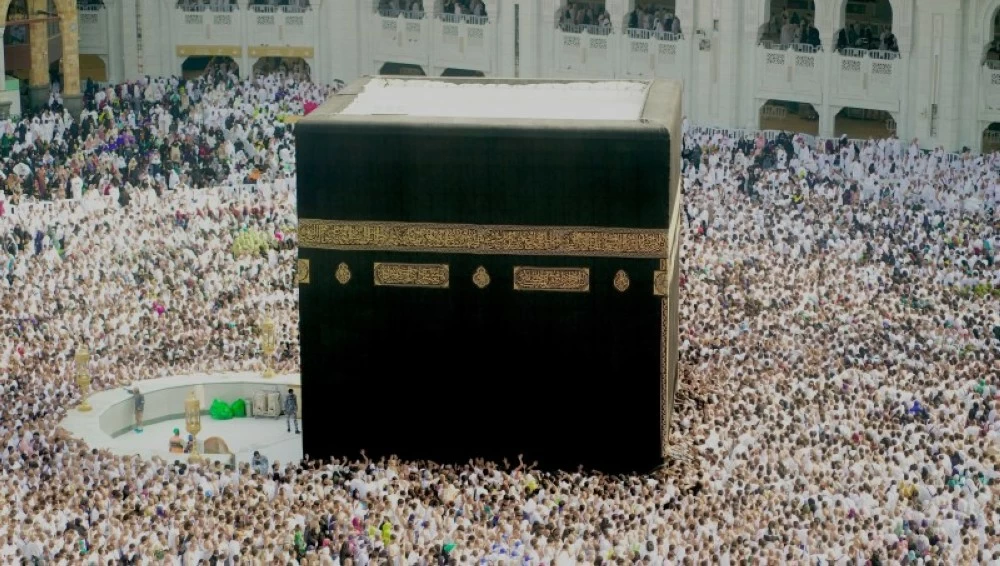
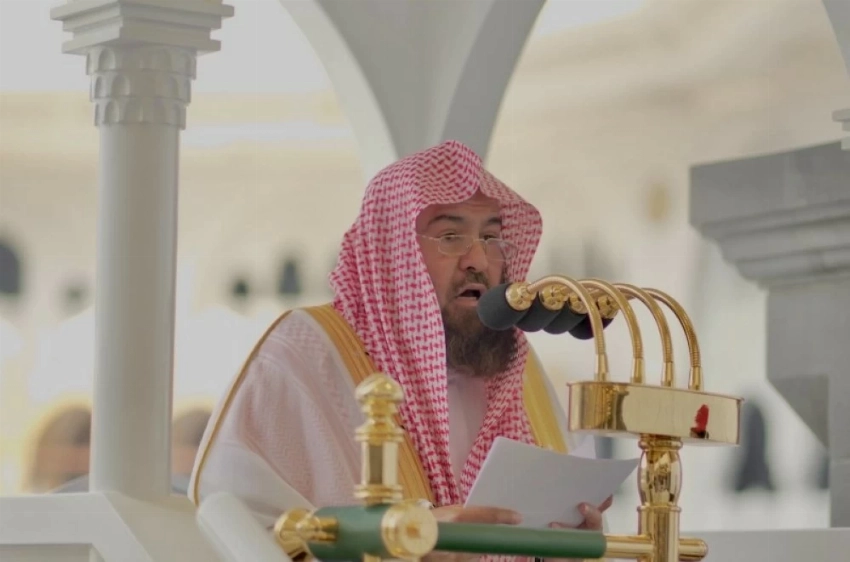
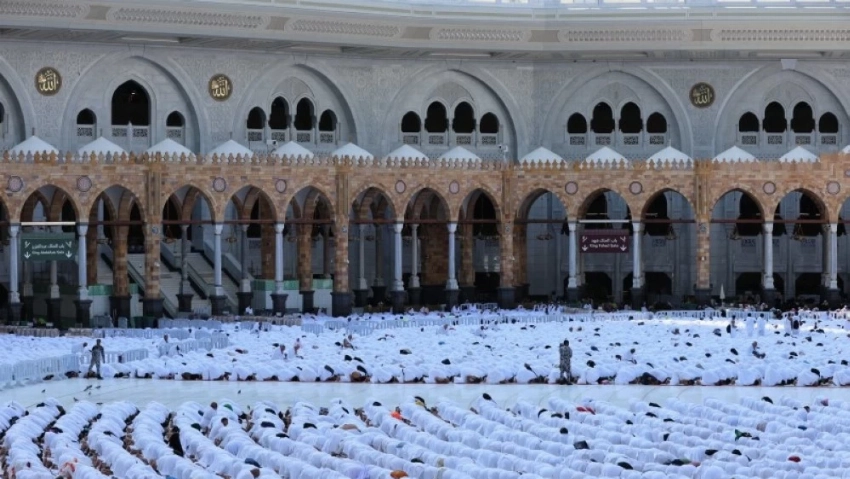
أوصى إمام وخطيب المسجد الحرام فضيلة الشيخ الدكتور عبدالرحمن بن عبدالعزيز السديس في خطبة الجمعة اليوم بالمسجد الحرام، المسلمين بتقوى الله وشكره على هداية الإسلام، فهو دينُ المناقب والمحامد العظام.
وأشار فضيلته إلى أن ما يعيشه الناس من الإغراق في الماديات، وطغيان المغريات والضجيج الصاخب الذي يطغى على المعنى اللاحب، وما يُفرزه التعاطي غير الرشيد مع الأطروحات التأصيلية وكثرة الاختلافات، وقلة الإنصاف عند الخصومات والمنازعات، تَبْرزُ الحاجة إلى العناية بحقوق العباد والخروج من مظالمهم، إذ الإشكال أعمق من خلافات عابرة، إنه ضعف الوازع الديني والفراغ الفكري والتفكك الاجتماعي وغياب القيم والأهداف الذي يُولد أفرادًا لا هم لهم إلا تتبع الزَّلات بدل الانشغال بالبناء.
وحذّر السديس من أشنع أنواع الظلم مَسلكًا، وهو ظلم العباد في الدّماء والأموال والأعراض فتلك تَشُوبها أشواك دامية، تقضي بصاحبها إلى الهاوية فكم أحقّ باطلًا، وأزهق حقًا، وأورث ضررًا يَفتق رتقًا، كما قال صلى الله عليه وسلم: «إن دماءكم وأموالكم وأعراضكم عليكم حرام كحرمة يومكم هذا في بلدكم هذا في شهركم هذا».
وشدّد قائلًا: فهذا العبد قد أتى بصلاة وزكاة وصيام، مُقيمًا أركان الإسلام بحسنات كالجبال، يرى أنها ستنجيه ولكنه جاء مُحملًا بمظالم للعباد، جعلت نهايتهُ إلى النار، وحقوق الناس لا بد فيها من الوَفَاء والأداء لأنها حَقٌّ خاص، ومبنية على المُشاحّة لا على المُسامحة.
وأوضح فضيلته أن ما يُرَوَّج عبر بعض مواقع التواصل الاجتماعي، من قراصنة العقولِ ومُروِّجي الإرهاب الفكري، والاسترسال في الغيبة والنميمة والكذب والبهتان من أَبين الظلم وأعظمه، وأظلمه وأشأمه، وعلى فاعله المسارعة بالتحلل منه قبل أن لا يكون درهمًا ولا دينارًا، ألا فاتقوا الله عباد الله، واعملوا قبل فوات الأوان للخروج من مظالم العباد وأذاهم.
ونوّهَ بالتمسّك بهدي نبيّنا -صلى الله عليه وسلم-، وما عليه القرون المفضلة، والحذر من البدع والمحدثات، مؤكدًا أنه لم يثبت عن النبي -صلى الله عليه وسلم- شيء بفضل شهر رجب هذا الشهر الحرام، وكلُّ ما يُنقل من أخبار عن استحباب العمل الصالح فيه أخبار ضعيفة أو موضوعة كما عليه المحققون من أهل العلم.
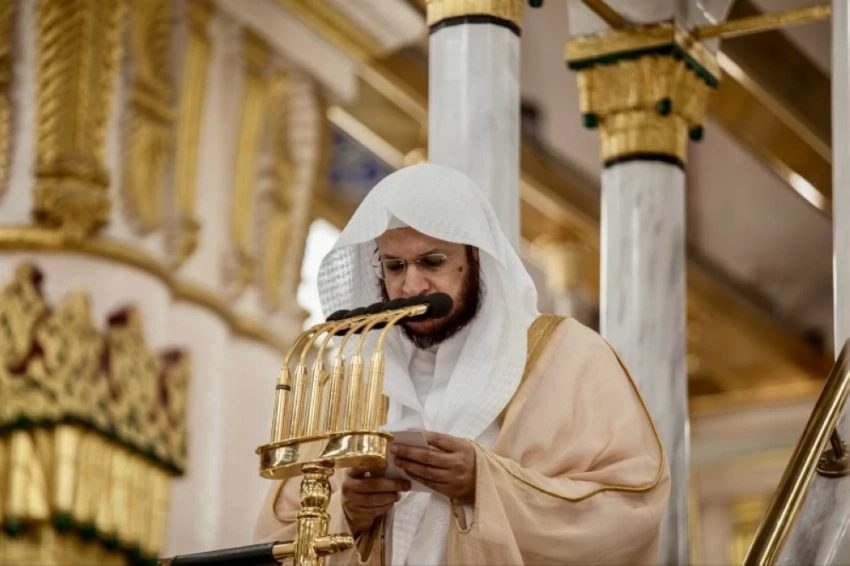
وفي خطبة المسجد النبوي أوصى فضيلة الشيخ عبدالمحسن القاسم المسلمين بتقوى الله ومراقبته في السر والنجوى.
وبيّن فضيلته أن الله تعالى خلق الخلق لعبادته، وأن الدنيا هي دار حرث للآخرة وميدان للتنافس في الطاعة والمبادرة إلى فعل الخيرات والمسارعة إلى نيل القربات، مشيرًا إلى أن استباق الخيرات هو قدر زائد على الأمر بفعلها، ويتضمن الاستباق إليها تكميلها وإيقاعها على أكمل الأحوال، وأن النفوس الفاضلة تنتفع بالمنافسة طلبًا للحاق والتقدم وعلامة على علو الهمة والتشبه بأهل الفضل.
وتابع فضيلته أن المسارعة لفعل الخيرات أكبر ما يمدح به المرء لدلالتها على الحرص لطاعة الله، قال تعالى على لسان موسى عليه السلام: ((وَعَجِلْتُ إِلَيْكَ رَبِّ لِتَرْضَى))،وفي الحديث أن النبي -صلى الله عليه وسلم- صلى ذات يوم بأصحابه ثم قام مسرعًا وتخطى رقاب الناس إلى بعض حجر نسائه ففزع الناس من سرعته فقال: (ذكرت شيئًا من تبر عندنا فكرهت أن يحبسني فأمرت بقسمته).
وأوضح فضيلته أن من صفات مؤمني الأمم السابقة الأمر بالمعروف، قال جل من قائل: ((يُؤْمِنُونَ بِاللَّهِ وَالْيَوْمِ الْآخِرِ وَيَأْمُرُونَ بِالْمَعْرُوفِ وَيَنْهَوْنَ عَنِ الْمُنكَرِ وَيُسَارِعُونَ فِي الْخَيْرَاتِ وَأُولَئِكَ مِنَ الصَّالِحِينَ))، كما أمر الله الأمة بالمسارعة إلى مغفرته وإلى جنته قال تعالى: ((وَسَارِعُوا إِلَى مَغْفِرَةٍ مِنْ رَبِّكُمْ وَجَنَّةٍ عَرْضُهَا السَّمَاوَاتُ وَالْأَرْضُ أُعِدَّتْ لِلْمُتَّقِينَ))، وحثهم على المسابقة إليها قال جل وعلا: ((سَابِقُوا إِلَى مَغْفِرَةٍ مِّن رَّبِّكُمْ وَجَنَّةٍ عَرْضُهَا كَعَرْضِ السَّمَاءِ وَالْأَرْضِ)).
وأشار إمام وخطيب المسجد النبوي إلى أن الصحابة رضي الله عنهم كانوا يسارعون إلى محبة الله ورسوله ففي الحديث قال صلى الله عليه وسلم: (لأعطين هذه الراية لرجل يفتح الله على يديه يحب الله ورسوله ويحبه الله ورسوله) فبات الناس أيهم يعطى فغدوا كلٌ يرجوه.
وتابع فضيلته أنهم رضي الله عنهم كانوا يتنازعون على ضيافته صلى الله عليه وسلم ففي الحديث أنه قال: (أنزل على بني النجار أخوال عبدالمطلب أكرمهم بذلك) ويسارعون في بناء مسجده (فكانوا ينقلون لبن المسجد لبنة لبنة وعمار بن ياسر ينقل لبنتين لبنتين) فقال له رسول الله -صلى الله عليه وسلم-: (يا عمار ألا تحمل كما يحمل أصحابك قال إني أريد الأجر من الله) ويسعون إلى أن لا يزيد أحد عليهم في العبادة والمبادرة إلى ما يندبهم رسول الله صلى الله عليه وسلم إليه، وأنهم كما كانوا يتسابقون في العبادات يسارعون في إدخال السرور على الخلق، قال كعب بن مالك رضي الله عنه لما نزلت توبتي سمعت صوت صارخ يا كعب بن مالك بشر وأذن رسول الله -صلى الله عليه وسلم- بتوبة الله علينا فذهب الناس يبشروننا.
وبيّن إمام وخطيب المسجد النبوي أن النبي -صلى الله عليه وسلم- حث على المبادرة إلى الأعمال الصالحة، ففي الحديث قال صلى الله عليه وسلم: (لو يعلم الناس ما في النداء والصف الأول ثم لم يجدوا إلا أن يستهموا عليه لاستهموا، ولو يعلمون ما في التهجير لاستبقوا إليه، ولو يعلمون ما في العتمة والصبح لأتوهما ولو حبوًا).
وقال فضيلته: إنّ السابقين في الدنيا في الخيرات سابقون في دخول الجنة قال تعالى: ((وَٱلسَّٰبِقُونَ ٱلسَّٰبِقُونَ أُوْلَٰٓئِكَ ٱلۡمُقَرَّبُونَ فِي جَنَّٰتِ ٱلنَّعِيمِ)).
وأفاد إمام وخطيب المسجد النبوي أن كثرة الجدل مانعة لفعل الخير والمسارعة فيها، مشيرًا إلى أن الله نهى المؤمنين عن جدال المشركين عند تحويل القبلة لئلا يشغلوا عن فعل الخير وأمرهم بالمسابقة في فعل الخيرات، قال عز من قائل: ((وَلِكُلٍّ وِجْهَةٌ هُوَ مُوَلِّيهَا فَاسْتَبِقُوا الْخَيْرَاتِ)).
وأبان فضيلته أن من اتبع هواه حرم من المسابقة إلى الطاعات فالله نهى النبي صلى الله عليه وسلم عن اتباع أهل الأهواء، وأمر بالتسابق إلى فعل الخير قال تعالى: ((وَلَا تَتَّبِعْ أَهْوَاءَهُمْ عَمَّا جَاءَكَ مِنَ الْحَقِّ لِكُلٍّ جَعَلْنَا مِنكُمْ شِرْعَةً وَمِنْهَاجًا وَلَوْ شَاءَ اللَّهُ لَجَعَلَكُمْ أُمَّةً وَاحِدَةً وَلَكِن لِّيَبْلُوَكُمْ فِي مَا آتَاكُمْ فَاسْتَبِقُوا الْخَيْرَاتِ)).
وختم فضيلته بالقول «إن من علامات إعراض الله عن العبد أن يشغله بما لا يعنيه، وإن المنعم عليه من وفق للطاعات وسارع إليها».
The Imam and preacher of the Grand Mosque, His Excellency Sheikh Dr. Abdulrahman bin Abdulaziz Al-Sudais, advised Muslims in his Friday sermon today at the Grand Mosque to have piety towards Allah and to thank Him for the guidance of Islam, which is the religion of great virtues and praises.
He pointed out that what people experience in terms of being overwhelmed by materialism, the dominance of temptations, and the loud noise that overshadows meaningfulness, along with the unwise engagement with foundational propositions, the abundance of disagreements, and the lack of fairness in disputes and conflicts, highlights the need to care for the rights of others and to alleviate their injustices. The issue is deeper than mere transient disagreements; it is the weakness of religious motivation, intellectual emptiness, social disintegration, and the absence of values and goals that produces individuals who are only concerned with tracking mistakes instead of focusing on building.
Al-Sudais warned against the most heinous types of injustice, which is the oppression of people in their blood, wealth, and honor, as these are tainted with bloody thorns that lead their perpetrator to the abyss. How many falsehoods have been justified, and how many truths have been obliterated, causing harm that unravels what is sewn together? As the Prophet Muhammad (peace be upon him) said: "Indeed, your blood, your wealth, and your honor are sacred to you, like the sanctity of this day of yours in this town of yours in this month of yours."
He emphasized that this servant may come with prayer, zakat, and fasting, establishing the pillars of Islam with good deeds as great as mountains, thinking that they will save him, but he comes burdened with injustices against others, leading to his end in hellfire. The rights of people must be fulfilled and paid, as they are a private right, based on strictness, not leniency.
His Excellency clarified that what is promoted through some social media platforms by the pirates of minds and promoters of intellectual terrorism, along with indulging in backbiting, slander, lies, and falsehoods, is among the clearest and greatest injustices, and the perpetrator must hasten to absolve himself from it before there is neither dirham nor dinar left. So, fear Allah, O servants of Allah, and act before it is too late to alleviate the injustices and harm done to others.
He highlighted the importance of adhering to the guidance of our Prophet (peace be upon him) and what the virtuous generations followed, warning against innovations and newly introduced matters, affirming that nothing has been established from the Prophet (peace be upon him) regarding the virtue of the month of Rajab, this sacred month, and all that is transmitted about the desirability of good deeds in it consists of weak or fabricated reports, as confirmed by scholars.
In the sermon at the Prophet's Mosque, His Excellency Sheikh Abdul Mohsen Al-Qasim advised Muslims to have piety towards Allah and to be mindful of Him in secret and in private conversations.
He explained that Allah created creation for His worship, and that this world is a place for cultivating the Hereafter and a field for competing in obedience, hastening to do good deeds, and striving to attain closeness to Allah. He pointed out that hastening to do good is an additional virtue beyond merely being commanded to do so, and that it involves completing and executing it in the best possible manner. Noble souls benefit from competition in seeking to catch up and advance, which is a sign of high ambition and emulating the virtuous.
He continued that hastening to do good deeds is one of the greatest commendable traits of a person, as it indicates eagerness to obey Allah. Allah said through the tongue of Moses (peace be upon him): "And I hastened to You, my Lord, that You might be pleased." In a hadith, the Prophet (peace be upon him) prayed one day with his companions, then hurriedly stood up and passed over the heads of the people to some of his wives, and the people were startled by his speed. He said: "I remembered something of gold we have, and I disliked to be delayed, so I ordered it to be distributed."
His Excellency clarified that one of the characteristics of the believers of previous nations is enjoining what is right. Allah, the Exalted, said: "They believe in Allah and the Last Day, and they enjoin what is right and forbid what is wrong, and they hasten to good deeds, and those are among the righteous." Allah commanded the nation to hasten to His forgiveness and to His Paradise, saying: "And hasten to the forgiveness from your Lord and a Paradise as wide as the heavens and the earth, prepared for the righteous." He urged them to race towards it, saying: "Race towards forgiveness from your Lord and a Paradise whose width is like the width of the heavens and the earth."
The Imam and preacher of the Prophet's Mosque pointed out that the companions (may Allah be pleased with them) used to hasten to the love of Allah and His Messenger. In a hadith, the Prophet (peace be upon him) said: "I will give this banner to a man whom Allah will open (the conquest) through his hands, who loves Allah and His Messenger, and whom Allah and His Messenger love." So the people spent the night wondering who would be given it, and in the morning, each one hoped for it.
He continued that they (may Allah be pleased with them) used to compete for the hospitality of the Prophet (peace be upon him). In a hadith, it is said that he said: "I was honored by the Banu Najjar, the maternal uncles of Abdul Muttalib." They hurried in building his mosque, carrying the bricks one by one, while Ammar bin Yasir carried two bricks at a time. The Messenger of Allah (peace be upon him) said to him: "O Ammar, why don’t you carry like your companions?" He replied: "I want the reward from Allah." They strove not to let anyone surpass them in worship and in hastening to what the Messenger of Allah (peace be upon him) encouraged them to do. Just as they competed in acts of worship, they also hurried to bring joy to creation. Ka'b bin Malik (may Allah be pleased with him) said when my repentance was revealed: "I heard a voice calling: O Ka'b bin Malik, rejoice!" And the Messenger of Allah (peace be upon him) announced Allah's acceptance of our repentance, and the people rushed to give us the good news.
The Imam and preacher of the Prophet's Mosque stated that the Prophet (peace be upon him) encouraged hastening to good deeds. In a hadith, he said: "If the people knew what is in the call to prayer and the first row, and they found no other way but to draw lots for it, they would draw lots. If they knew what is in the early morning and evening prayers, they would come to them even if they had to crawl."
His Excellency said: "Indeed, those who are ahead in this world in good deeds will be ahead in entering Paradise." Allah said: "And the foremost in good deeds are the foremost (in Paradise). Those are the ones brought near (to Allah) in the Gardens of Delight."
The Imam and preacher of the Prophet's Mosque indicated that excessive arguing prevents one from doing good and hastening towards it, noting that Allah forbade the believers from arguing with the polytheists when the Qibla was changed so that they would not be distracted from doing good and commanded them to race towards good deeds. Allah, the Exalted, said: "And for every direction is a goal toward which it turns. So race to good deeds."
He explained that whoever follows their desires is deprived of racing towards obedience. Allah forbade the Prophet (peace be upon him) from following the people of desires and commanded racing towards good deeds. Allah said: "And do not follow their desires after what has come to you of the truth. For each of you We have made a law and a method. And if Allah had willed, He would have made you one nation, but He intended to test you in what He has given you. So race to good deeds."
He concluded by saying: "Indeed, one of the signs of Allah's turning away from a servant is to occupy him with what does not concern him, and the one who is blessed is the one who is guided to good deeds and hastens towards them."