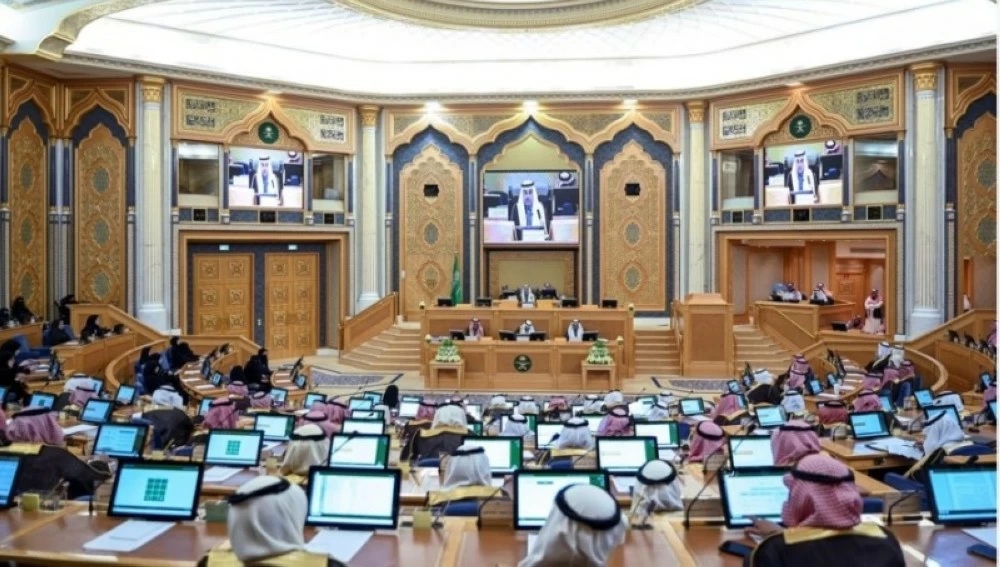
أصدر مجلس الشورى قراراً طالب فيه جامعة الملك خالد بتطوير منظومة التوجيه والإرشاد الأكاديمي، وتطوير إستراتيجية شاملة للموارد البشرية تحقق أهداف الجامعة.
ودعا المجلس في جلسته العادية الثالثة عشرة من أعمال السنة الثانية للدورة التاسعة المنعقدة برئاسة نائب رئيس المجلس الدكتور مشعل بن فهم السُّلمي، الجامعة إلى التنسيق مع الجهات ذات العلاقة؛ لتطوير الكليات التطبيقية في الفروع من خلال تبنّي نموذج عمل واضح يضمن عدم تداخل الصلاحيات والتخصصات مع الكليات التقنية، ويحقق الأهداف المرجوة منها، وبناء مؤشرات تقيس نتائج مواءمتها مع إستراتيجية تطوير منطقة عسير، وأثرها الفعلي على تحقيق رسالة الجامعة ومستهدفات التنمية بالمنطقة.
وناقش المجلس التقرير السنوي للجامعة الإسلامية في المدينة المنورة عقب الاستماع إلى تقرير تقدمت به لجنة التعليم والبحث العلمي، تلاه عضو المجلس رئيس اللجنة الدكتور ناصر طيران، بشأن ما تضمنه التقرير السنوي للجامعة الإسلامية في المدينة المنورة.
مؤشرات ومستهدفات
وإثر طرح تقرير اللجنة للنقاش أبدى أعضاء المجلس عدداً من الملحوظات والآراء بشأن ما تضمنه التقرير السنوي للجامعة الإسلامية في المدينة المنورة، إذ طالبت عضو مجلس الشورى الدكتورة لبنى العجمي الجامعة الإسلامية بإعداد إطار مؤسسي لقياس الأثر العالمي لخريجيها، وربط مؤشرات الأداء الإستراتيجي للجامعة بمؤشرات ومستهدفات ما تقدمه الجامعة للطلاب، إلى جانب المؤشرات الأكاديمية الأخرى.
وطالب عضو المجلس الدكتور باسم السيد الجامعة الإسلامية بتبني مشروع طموح يجعلها مرجعية قياسية للجامعات الإسلامية، والعمل على تجاوز تحديات التصنيفات العالمية، التي لا تراعي طبيعة هذه التخصصات.
وأكد عضو المجلس الدكتور بندر البقمي أهمية بذل الجامعة الإسلامية مزيداً من الجهود لرفع ترتيبها وتحقيق مراكز متقدمة ضمن التصنيفات الدولية والذي يعد أحد مستهدفاتها.
وفي نهاية المناقشة، طلبت اللجنة منحها مزيداً من الوقت لدراسة ما طرحه الأعضاء من آراء ومقترحات والعودة بوجهة نظرها إلى المجلس في جلسة لاحقة.
برامج أكاديمية نوعية
وناقش المجلس خلال هذه الجلسة التقرير السنوي لجامعة بيشة إثر الاستماع إلى تقرير تقدمت به لجنة التعليم والبحث العلمي، بشأن ما تضمنه التقرير السنوي لجامعة بيشة. وإثر طرح تقرير اللجنة للنقاش، أبدى أعضاء المجلس عدداً من الملحوظات والآراء بشأن ما تضمنه التقرير السنوي لجامعة بيشة، ودعا عضو المجلس عبدالله آل طاوي جامعة بيشة إلى الاهتمام بالتخصصات النوعية في برامج الجامعة والتي تُعد من الميز التي تمتاز بها المحافظة، وطالب عضو مجلس الشورى زاهر الشهري جامعة بيشة -بالتنسيق مع مجلس شؤون الجامعات- بدراسة إنشاء كلية رائدة في إدارة وتكنولوجيا العلوم الزراعية والبيئية ببرامج أكاديمية نوعية، تحقق بها بناء قدرات بشرية مؤهلة، وتسهم في تنمية مستدامة.
وتطلّع عضو المجلس الدكتور سالم آل جربوع إلى عقد جامعة بيشة شراكات مع المستثمرين وتأسيس كيان استثماري متخصص واستثمار المعرفة والبحث العلمي وبراءات الاختراع بتحويلها إلى منتجات ذات قيمة اقتصادية، وطالب عضو المجلس الدكتور عبدالله الزهراني جامعة بيشة بدعم وتمويل الأبحاث والمشاريع البحثية المشتركة في مجال الذكاء الاصطناعي لكشف مواقع التعدين في منطقة عسير، وإنشاء فرق بحثية متخصصة، وتوفير البنية التحتية الحاسوبية والبيانية اللازمة، لما لذلك من أثر علمي واقتصادي وإستراتيجي يخدم الجامعة والمنطقة والمملكة.
تشجيع الاستثمار المباشر
وفي نهاية المناقشة، طلبت اللجنة منحها مزيداً من الوقت لدراسة ما طرحه الأعضاء من آراء ومقترحات والعودة بوجهة نظرها إلى المجلس في جلسة لاحقة.
فيما وافق المجلس على مشروع مذكرة تفاهم بين الهيئة السعودية للمواصفات والمقاييس والجودة (SASO) وإدارة الدولة لتنظيم السوق في جمهورية الصين الشعبية (SAMR) للتعاون في مجال تقويم المطابقة.
كما وافق على مشروع مذكرة تفاهم بين حكومة المملكة وحكومة جمهورية هندوراس للتعاون في مجال تشجيع الاستثمار المباشر.
The Shura Council issued a decision requesting King Khalid University to develop the academic guidance and counseling system and to create a comprehensive human resources strategy that achieves the university's goals.
During its thirteenth regular session of the second year of the ninth term, chaired by the Deputy Chairman of the Council, Dr. Mishal bin Fahm Al-Sulami, the council called on the university to coordinate with relevant entities to develop applied colleges in the branches by adopting a clear operational model that ensures no overlap of authorities and specializations with technical colleges, achieves the desired goals, and builds indicators to measure the results of its alignment with the development strategy of the Asir region and its actual impact on achieving the university's mission and the development targets in the region.
The council discussed the annual report of the Islamic University in Medina after listening to a report presented by the Education and Scientific Research Committee, followed by the committee's chairman, Dr. Nasser Tayran, regarding what was included in the annual report of the Islamic University in Medina.
Indicators and Targets
Following the presentation of the committee's report for discussion, council members expressed several observations and opinions regarding what was included in the annual report of the Islamic University in Medina. Council member Dr. Lubna Al-Ajmi requested the Islamic University to prepare an institutional framework to measure the global impact of its graduates and to link the university's strategic performance indicators with the indicators and targets of what the university offers to students, in addition to other academic indicators.
Council member Dr. Basim Al-Sayed urged the Islamic University to adopt an ambitious project that makes it a benchmark for Islamic universities and to work on overcoming the challenges of global rankings that do not consider the nature of these specializations.
Council member Dr. Bandar Al-Buqami emphasized the importance of the Islamic University making further efforts to improve its ranking and achieve advanced positions in international rankings, which is one of its targets.
At the end of the discussion, the committee requested more time to study the opinions and suggestions raised by the members and to return with its perspective to the council in a later session.
Quality Academic Programs
The council discussed the annual report of Bisha University during this session after listening to a report presented by the Education and Scientific Research Committee regarding what was included in the annual report of Bisha University. Following the presentation of the committee's report for discussion, council members expressed several observations and opinions regarding what was included in the annual report of Bisha University. Council member Abdullah Al-Tawi called on Bisha University to focus on quality specializations in the university's programs, which are among the advantages of the region. Council member Zahir Al-Shahri urged Bisha University, in coordination with the Council of University Affairs, to study the establishment of a pioneering college in the management and technology of agricultural and environmental sciences with quality academic programs that build qualified human capacities and contribute to sustainable development.
Council member Dr. Salem Al-Jarbou' looked forward to Bisha University forming partnerships with investors and establishing a specialized investment entity to leverage knowledge, scientific research, and patents by transforming them into economically valuable products. Council member Dr. Abdullah Al-Zahrani urged Bisha University to support and fund research and joint research projects in the field of artificial intelligence to identify mining sites in the Asir region, to establish specialized research teams, and to provide the necessary computing and data infrastructure, as this has scientific, economic, and strategic implications that serve the university, the region, and the Kingdom.
Encouraging Direct Investment
At the end of the discussion, the committee requested more time to study the opinions and suggestions raised by the members and to return with its perspective to the council in a later session.
The council approved a draft memorandum of understanding between the Saudi Standards, Metrology and Quality Organization (SASO) and the State Administration for Market Regulation in the People's Republic of China (SAMR) for cooperation in the field of conformity assessment.
The council also approved a draft memorandum of understanding between the Government of the Kingdom and the Government of the Republic of Honduras for cooperation in the field of encouraging direct investment.