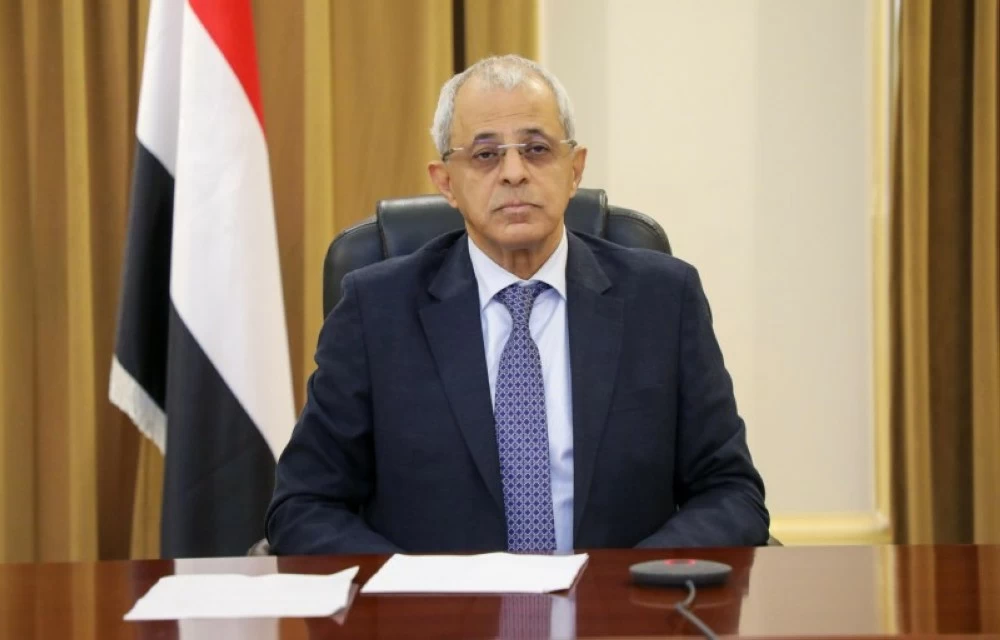
حذّر نائب وزير الخارجية اليمني وشؤون المغتربين مصطفى أحمد النعمان، من أن المساس بوحدة اليمن سيكون بؤرة اضطراب للمنطقة.
وشبه النعمان في مقابلة مع «العربية» و«الحدث»، اليوم (الإثنين)، ما يحدث في جنوب البلاد بما يجري في السودان.
وأعرب عن أمله في أن يعود المجلس الانتقالي إلى الحكومة والحوار، لافتاً إلى أن المجلس الانتقالي لا يستطيع الزعم بتمثيله للجنوب كاملاً.وأفاد النعمان بأنه لم يتصور يوماً انقلاب المجلس الانتقالي، وتحوله من شريك إلى خصم.
تغليب الحكمة ولغة الحوار
وكان رئيس مجلس القيادة الرئاسي اليمني رشاد العليمي، دعا مساء الأحد، الشركاء في مكوّن المجلس الانتقالي إلى تغليب الحكمة ولغة الحوار، وتجنيب الشعب اليمني والمصالح العليا للبلاد والأمن الإقليمي والدولي تهديدات غير مسبوقة. وطالب بعدم التفريط بالمكاسب المحققة خلال السنوات الماضية بدعم من الأشقاء في تحالف دعم الشرعية بقيادة السعودية، وفي المقدمة مكاسب القضية الجنوبية العادلة.
وقال مصدر مسؤول في مكتب رئاسة الجمهورية في بيان، إن العليمي، أهاب بكل المكوّنات السياسية وأبناء الشعب اليمني الالتفاف حول مشروع الدولة الوطنية المنشودة، وحشد الطاقات لمعركة استعادة مؤسسات الدولة وإسقاط انقلاب المليشيات الحوثية، وإنهاء المعاناة الإنسانية التي طال أمدها.
مواجهة التجاوزات
وطالب رئيس مجلس القيادة، الحكومة والسلطات المعنية باتخاذ كافة الإجراءات القانونية والإدارية بحق أي تجاوزات تمس وحدة القرار، أو تحاول فرض سياسات خارج الأطر الدستورية ومرجعيات المرحلة الانتقالية، مؤكداً ضرورة حماية المركز القانوني للدولة ووحدة مؤسساتها وعدم الإضرار بمصالح المواطنين.
وأوضح أن العليمي تابع باهتمام بالغ ما جرى تداوله من بيانات وتصريحات صادرة عن بعض الوزراء والمسؤولين التنفيذيين في الحكومة، تضمنت مواقف سياسية لا تندرج ضمن مهامهم الوظيفية ولا تنسجم مع المرجعيات الدستورية والقانونية الناظمة للمرحلة الانتقالية وعمل مؤسسات الدولة.
ولفت إلى أن التوجيهات الرئاسية تقضي بالالتزام الصارم من جميع المسؤولين التنفيذيين بالعمل وفق قرارات مجلس القيادة الرئاسي والبرنامج الحكومي ومرجعيات المرحلة الانتقالية، وفي مقدمتها إعلان نقل السلطة واتفاق الرياض.
خرق جسيم للدستور
وشدد البيان على أن استغلال السلطة أو استخدام الصفة الوظيفية أو المنصب الرسمي لتحقيق مكاسب سياسية يعد خرقاً جسيماً للدستور والقانون وواجبات الوظيفة العامة، وإضراراً بالمركز القانوني للدولة ووحدة السلطة التنفيذية، ومساساً بالسلم الأهلي والتوافق الوطني القائم، بما يستوجب المساءلة القانونية ومعاقبة مرتكبيها.
وكانت وزارات وهيئات حكومية تدار من قبل المجلس الانتقالي الجنوبي، أعلنت تأييدها العلني لمواقف داعمة لخطوات فرضها الانتقالي بقوة السلاح، في سياق مساعٍ تشطيرية، ما أثار الجدل الواسع بشأن تجاوز الصلاحيات، وأعاد إلى الواجهة مخاوف من انعكاسات تلك المواقف على وحدة القرار الحكومي، وتماسك مؤسسات الدولة، ومسار الشراكة السياسية خلال المرحلة الانتقالية.
The Yemeni Deputy Foreign Minister and Minister of Expatriates, Mustafa Ahmed Al-Nu'man, warned that any harm to Yemen's unity would become a focal point of unrest for the region.
In an interview with "Al-Arabiya" and "Al-Hadath" today (Monday), Al-Nu'man likened what is happening in the south of the country to the situation in Sudan.
He expressed hope that the Transitional Council would return to the government and dialogue, noting that the Transitional Council cannot claim to represent the entire south. Al-Nu'man stated that he never imagined the Transitional Council would stage a coup, transforming from a partner to an adversary.
Prioritizing Wisdom and Dialogue
Yemeni Presidential Leadership Council Chairman Rashad Al-Alimi called on Sunday evening for the partners in the Transitional Council to prioritize wisdom and the language of dialogue, and to spare the Yemeni people and the higher interests of the country, as well as regional and international security, from unprecedented threats. He urged not to squander the gains achieved over the past years with the support of brothers in the Coalition to Support Legitimacy led by Saudi Arabia, particularly the gains of the just southern cause.
A responsible source in the Presidential Office stated in a statement that Al-Alimi urged all political components and the Yemeni people to rally around the project of the desired national state and to mobilize efforts for the battle to restore state institutions, overthrow the Houthi militia coup, and end the prolonged humanitarian suffering.
Confronting Violations
The Chairman of the Leadership Council called on the government and relevant authorities to take all legal and administrative measures against any violations that affect the unity of decision-making or attempt to impose policies outside constitutional frameworks and transitional references, emphasizing the necessity of protecting the legal status of the state and the unity of its institutions, and not harming citizens' interests.
He clarified that Al-Alimi has closely followed what has been circulated in statements and remarks issued by some ministers and executive officials in the government, which included political positions that do not fall within their job responsibilities and do not align with the constitutional and legal references governing the transitional phase and the work of state institutions.
He pointed out that presidential directives require strict adherence from all executive officials to work according to the decisions of the Presidential Leadership Council, the government program, and the transitional references, foremost among them the power transfer declaration and the Riyadh Agreement.
Serious Violation of the Constitution
The statement emphasized that the exploitation of power or the use of a job title or official position to achieve political gains constitutes a serious violation of the constitution and the law, as well as the duties of public office, harming the legal status of the state and the unity of the executive authority, and affecting public peace and existing national consensus, which necessitates legal accountability and punishment for the perpetrators.
Government ministries and agencies managed by the Southern Transitional Council publicly declared their support for positions backing steps imposed by the council through the use of force, in a context of secessionist efforts, raising widespread controversy regarding the overstepping of powers, and bringing back fears about the implications of these positions on the unity of government decision-making, the cohesion of state institutions, and the course of political partnership during the transitional phase.