بالرغم من تنكّر بعض أهلها لها، وميلهم إلى لغات أجنبيّة لتنبئ عن مدنيّة من يتحدث بها، مما يعد مؤشر استلاب وانهزام لدى البعض، كون لغة الضاد تعتز بحملها لواء القرآن، وتتشرف بأنه مرجعيتها، إذ يتحدث بها اليوم نحو نصف مليار لسان، فيما يقرأ بها كتاب الله غالب المسلمين الذين يقتربون من ملياري مسلم، إذ وسعته كما قال حافظ إبراهيم:
وَسِعتُ كِتابَ اللَهِ لَفظاً وَغايَةً
وَما ضِقتُ عَن آيٍ بِهِ وَعِظاتِ.ويتفق مفكرو العالم على أن اللغة العربية ركن من أركان هويّة الإنسان، ومُقوّم اعتزاز بالتكوين المادي، والإرث غير المادي، وستظل تقاوم التنكر بفتنة أساليبها البلاغية، بدءاً من علم المعاني، وأحوال تركيب الكلام، من الإيجاز والإطناب، والتقديم والتأخير، والإيراد والحذف، والخطاب والالتفات، وعلم البيان بما يتضمن من تشبيه واستعارة، وكناية ومجاز، وتمثيل، وعلم البديع بجناسه وسجعه، وطباقه، ومقابلته، إضافة إلى التكرار والتلفيف والقصص.
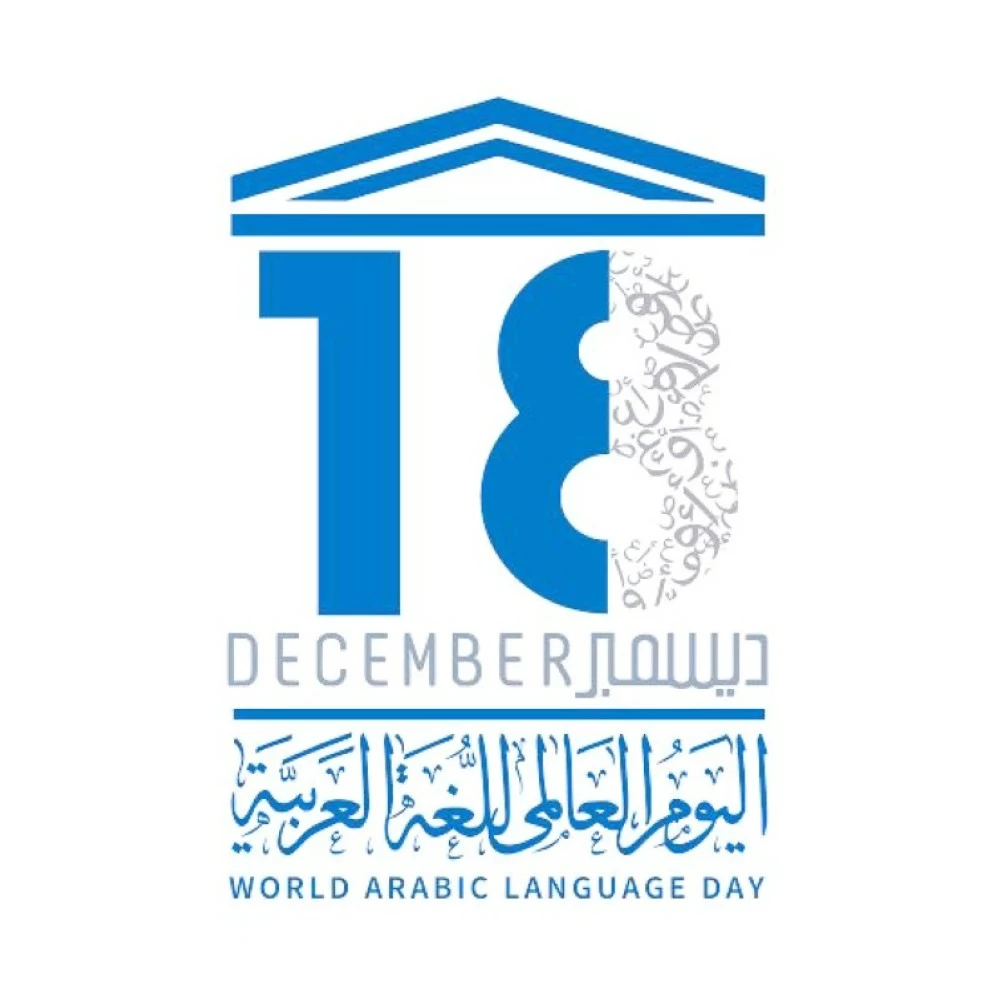
وتحلّ اليوم مناسبة اليوم العالمي للغة العربية، الذي اعتمدته منظمة اليونسكو، بجهود حثيثة من مندوب المملكة الدائم في المنظمة الأممية، الدكتور زياد الدريس، وكان تأسيس احتفالية اليوم العالمي للغة العربية، في أكتوبر 2012، بمبادرة الدريس بصفته نائب رئيس المجلس التنفيذي لليونسكو، إذ تبنى وزملاء عرب، وضع مسودة قرار يدعو إلى الاحتفال باليوم العالمي للغة العربية، وقُدم مشروع القرار إلى المجلس التنفيذي باسم المملكة، والمغرب (رئيس المجموعة العربية حينذاك)، وتم اعتماد القرار المقدم بالإجماع، وأقرّ المجلس التنفيذي لليونسكو في دورته 190 في تكريس يوم الـ18 من ديسمبر يوماً عالمياً للغة العربية، وجاء اختيار 18 ديسمبر؛ لأنه اليوم الذي أقرت فيه الجمعية العامة للأمم المتحدة عام 1973 اعتبار اللغة العربية ضمن اللغات الرسمية لها، ولكافة المنظمات الدولية المنضوية تحتها.
نقل العلوم وتعزيز الوعي
وتهدف مناسبة اليوم العالمي للغة العربية، إلى تكريس الاعتداد بلغتنا، وتعزيز الوعي بأهمية تدريسها ودراستها، وتشجيع سكان الكرة الأرضية على استعمالها في مختلف المجالات الثقافية والعلمية؛ لما لها من دور في فهم مقاصد ديننا الحنيف، والتواصل بين الشعوب.
وتعد اللغة العربية من أقدم اللغات السامية، وأوسعها انتشاراً في العالم، ولها طويل باع في الحضارة الإنسانية، إذ أسهمت في نقل العلوم والمعارف إلى الحضارات الأخرى، ومنها نُقلت علوم الفلسفة، والرياضيات، والفلك، والكيمياء، والطب، التي ازدهرت في مطلع العصور الإسلامية إلى أوروبا، وأفادت منها في نهضتها، وكانت سابقة لترجمة النصوص اليونانية القديمة إلى العربية، ما حافظ على التراث العلمي القديم، وجسّر المسافات، ووضّح المسالك للأجيال. واللغة ليست مجرد وسيلة للتواصل، بل جزء من الذاكرة الجماعية للعالمين العربي والإسلامي.
وتواصل لغة الضاد حضورها في ظل تحديات العصر الرقمي، والذكاء الاصطناعي، وتعدد اللهجات في الوطن الواحد، ما يحمّل التعليم مسؤولية التأصيل اللغوي منذ يفاعة طلاب وطالبات المراحل الأوليّة، ليسهموا في نشر ثقافة جزيرة العرب، ويلفتوا الانتباه إلى الإرث الحضاري الذي قام عليه وبه إنسان المكان.
Despite some of its people turning away from it and their inclination towards foreign languages to signify the civilization of those who speak them, which is considered a sign of alienation and defeat by some, the Arabic language takes pride in carrying the banner of the Quran and is honored to be its reference. Today, approximately half a billion speakers communicate in it, while the Quran is read in it by the majority of Muslims, who are close to two billion. As Hafiz Ibrahim said:
وَسِعتُ كِتابَ اللَهِ لَفظاً وَغايَةً
وَما ضِقتُ عَن آيٍ بِهِ وَعِظاتِ. Intellectuals around the world agree that the Arabic language is a cornerstone of human identity and a component of pride in both material composition and intangible heritage. It will continue to resist denial through the allure of its rhetorical styles, starting from the science of meanings and the conditions of speech construction, including brevity and elaboration, precedence and postponement, inclusion and omission, address and shift, and the science of rhetoric, which includes simile, metaphor, metonymy, allegory, and representation, as well as the science of embellishment with its genres, rhymes, antitheses, and parallels, in addition to repetition, wrapping, and storytelling.
Today marks the occasion of the International Day of the Arabic Language, which was adopted by UNESCO, thanks to the diligent efforts of the Kingdom's permanent representative to the UN organization, Dr. Ziad Al-Drees. The establishment of the International Day of the Arabic Language was initiated in October 2012, through Al-Drees's initiative as Vice President of the UNESCO Executive Board, where he and Arab colleagues drafted a resolution calling for the celebration of the International Day of the Arabic Language. The draft resolution was presented to the Executive Board on behalf of the Kingdom and Morocco (the President of the Arab Group at that time), and the resolution was unanimously adopted. The UNESCO Executive Board, in its 190th session, designated December 18 as the International Day of the Arabic Language, with December 18 chosen because it is the day the UN General Assembly recognized in 1973 the Arabic language as one of its official languages, and for all international organizations under its umbrella.
The Transfer of Knowledge and Raising Awareness
The purpose of the International Day of the Arabic Language is to instill pride in our language, enhance awareness of the importance of teaching and studying it, and encourage the inhabitants of the Earth to use it in various cultural and scientific fields, due to its role in understanding the objectives of our noble religion and facilitating communication between peoples.
The Arabic language is one of the oldest Semitic languages and the most widely spoken in the world, with a long history in human civilization. It has contributed to the transfer of knowledge and sciences to other civilizations, including philosophy, mathematics, astronomy, chemistry, and medicine, which flourished in the early Islamic eras and were transferred to Europe, benefiting from them in its renaissance. It preceded the translation of ancient Greek texts into Arabic, preserving the ancient scientific heritage, bridging distances, and clarifying paths for generations. Language is not merely a means of communication but a part of the collective memory of the Arab and Islamic worlds.
The Arabic language continues to maintain its presence amid the challenges of the digital age, artificial intelligence, and the diversity of dialects within a single homeland, placing the responsibility on education to instill linguistic roots from the early stages of students, so they can contribute to spreading the culture of the Arabian Peninsula and draw attention to the civilizational heritage upon which the people of the place were built.