فازت ثلاث فرق طلابية من طلبة فصول موهبة في مؤسسة الملك عبدالعزيز ورجاله للموهبة والإبداع «موهبة»، وأعضاء «رابطة موهبة»، بجوائز التحديات الابتكارية في «هاكاثون الطاقة»، الذي نظمه المؤتمر السعودي الثالث عشر للشبكات الذكية، برعاية وزارة الطاقة خلال الفترة من 15 إلى 17 ديسمبر الجاري في مدينة الرياض.
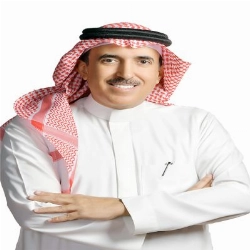
وجرى خلال حفل افتتاح المؤتمر السعودي للشبكات الذكية الذي أُقيم بحضور مساعد وزير الطاقة لشؤون الكهرباء المهندس ناصر القحطاني، ونائب أمين عام موهبة لتطوير الأعمال والتواصل فهد العنزي، تسلّيم الفرق الطلابية الفائزة جوائز التحديات الابتكارية.
وشملت منافسات الهاكاثون، التي شارك فيها 75 طالباً وطالبة من المرحلة الثانوية، خمسة تحديات رئيسية تمثلت في: الابتكار في تخزين الطاقة، وتصميم منازل الغد المستدامة، ومستقبل السيارات الكهربائية في المملكة، ورفع كفاءة استهلاك الطاقة في المدارس، وتوظيف الحلول الرقمية لمراقبة الاستهلاك، وذلك بهدف ابتكار حلول عملية تسهم في تعزيز كفاءة واستدامة قطاع الطاقة.
وركز هاكاثون الطاقة، الذي يُعدّ إطاراً وطنياً لتعزيز الابتكار في مجالات الطاقة الحديثة، على تزويد المشاركين بتجربة تعليمية وتطبيقية متكاملة، تمكّنهم من التعرف على منهجية التصميم التفكيري في تحليل المشكلات وتوليد الأفكار الإبداعية، وآليات اختيار التحديات المناسبة، إلى جانب إبراز دور الابتكار في صياغة مستقبل الطاقة محلياً وعالمياً.
Three student teams from the Talented Classes at the King Abdulaziz and His Companions Foundation for Giftedness and Creativity "Mawhiba," along with members of the "Mawhiba Association," won awards for innovative challenges at the "Energy Hackathon," organized by the 13th Saudi Conference on Smart Grids, under the auspices of the Ministry of Energy, from December 15 to 17 in Riyadh.
During the opening ceremony of the Saudi Conference on Smart Grids, which was attended by the Assistant Minister of Energy for Electricity Affairs, Engineer Nasser Al-Qahtani, and the Deputy Secretary-General of Mawhiba for Business Development and Communication, Fahd Al-Anzi, the winning student teams were awarded the innovative challenge prizes.
The hackathon competitions, which involved 75 male and female students from high school, included five main challenges: innovation in energy storage, designing sustainable homes of the future, the future of electric cars in the Kingdom, improving energy consumption efficiency in schools, and employing digital solutions to monitor consumption, with the aim of creating practical solutions that contribute to enhancing the efficiency and sustainability of the energy sector.
The Energy Hackathon, which is considered a national framework to promote innovation in modern energy fields, focused on providing participants with a comprehensive educational and practical experience, enabling them to learn about the design thinking methodology in problem analysis and generating creative ideas, as well as the mechanisms for selecting appropriate challenges, alongside highlighting the role of innovation in shaping the future of energy locally and globally.