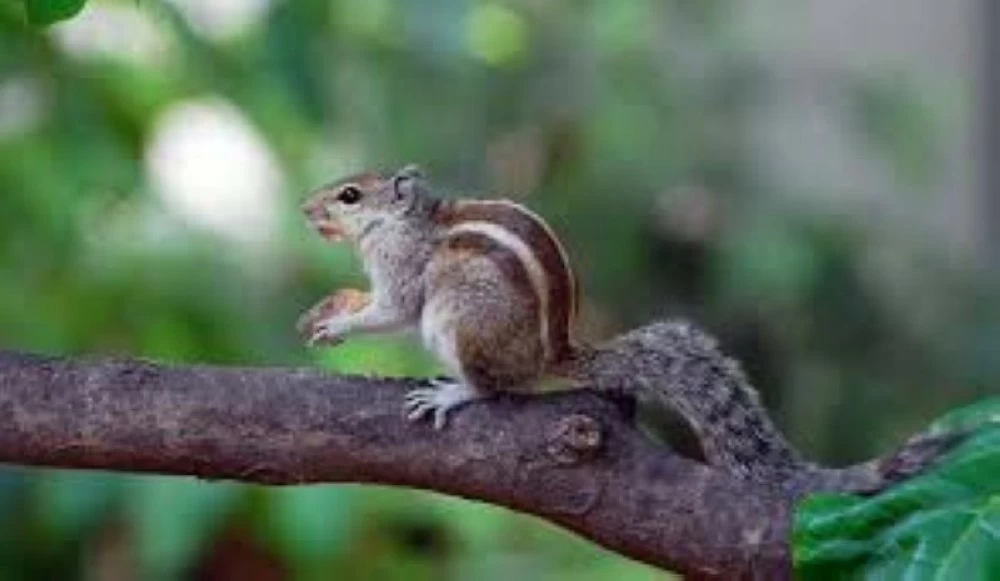
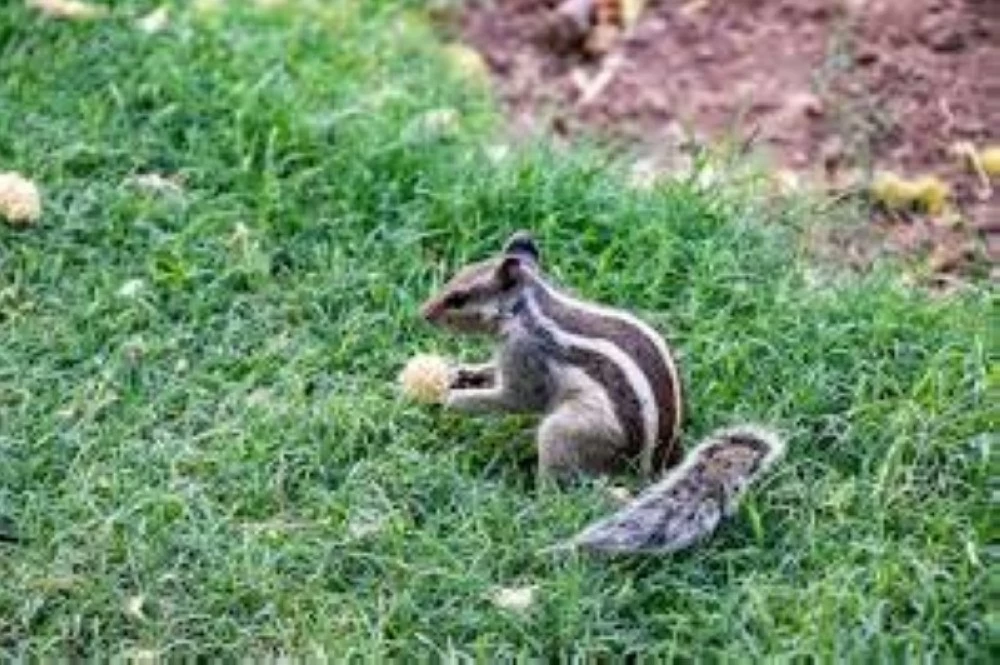
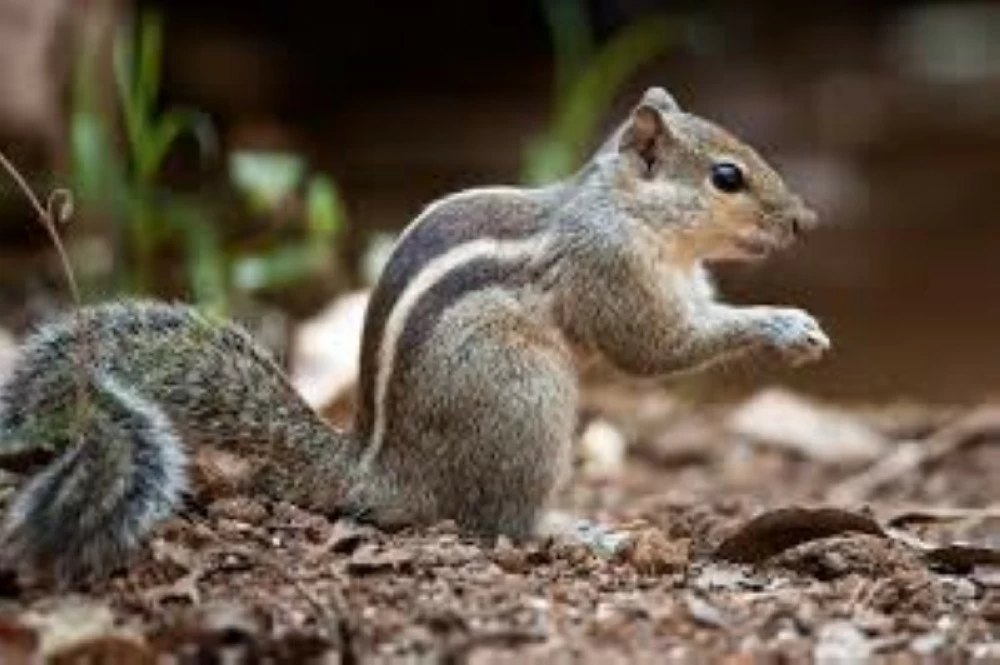
أعلن المركز الوطني لتنمية الحياة الفطرية سيطرته على انتشار سنجاب النخيل الشمالي الغازي في أحد المواقع بمدينة جدة.
وأكد المركز أنه نفذ خطة معالجة متكاملة ومستدامة لسنجاب النخيل الشمالي الغازي في جدة، وذلك ضمن جهوده في مكافحة الأنواع غير الأصيلة الغازية في المملكة.
وأوضح أن الخطة التي وضعها تشمل معالجة ميدانية من 3 مراحل حتى تمت السيطرة على انتشار السنجاب، وتقييماً ميدانياً شهرياً لضمان خلو الموقع من السناجب، بجانب تطبيق الأنظمة واللوائح بحق المخالفين، ومتابعة مستمرة للأسواق للتأكد من عدم بيع الكائن.
«انتهازي» الحضرية
ووفق خبراء علم الحيوان يصنف سنجاب النخيل، المعروف بالهندي، بكونه آفة بيئية وزراعية، وهو حيوان دخيل على البيئة يتأقلم بكفاءة عالية مع المناخ، ولهذا الحيوان قدرة على التكيف مع البيئة المحيطة، ويتكاثر بسرعة عالية، وهو انتهازي في المناطق الحضرية.
ويؤكد المختصون أنه يتغذى بشكل رئيسي على ثمار النخيل، ويأكل من ثمار الأشجار القريبة من النخيل، وبدأ بعد فترة في الانتشار بشكل ملحوظ والانتقال بين المزارع القريبة من بعضها، وأصبح انتشاره في السنوات الأخيرة يقلق أخصائيي الزراعة والبيئة كونه يستهدف طلع النخيل والقضاء عليها، كما يفسد محاصيل الأشجار في المزارع، ويسبب أضراراً في أنابيب الماء، ويحدث فيها ثقباً ليشرب، ويستخرج البذور من الأرض.
آفة زراعية
ويشير الخبراء إلى أن خطر سنجاب النخيل الهندي يكمن في كونه آفة زراعية مدمرة للمحاصيل، ويسبب الأضرار الزراعية، خصوصاً بالنخيل والفواكه، إذ يأكل الطلع والثمار (خصوصاً النخيل والسدر)، ويكسر النوى لاستخراج اللب، ما يؤثر على المحصول. كما يهاجم بذور المزروعات، مثل الذرة والشعير، قبل نموها، ويسبب أضراراً للممتلكات والبيئة عبر قرض أنابيب الري وأسلاك الكهرباء، ما قد يسبب حرائق أو تعطل الإمدادات، ويتكاثر بأعداد كبيرة، ما يزيد من التهديد على الزراعة والممتلكات.
ويعد سلوكه فريداً، حيث يتكيف مع الأحياء السكنية ويتغذى على القمامة، ما يجعله مصدر إزعاج مشابهاً للقوارض الأخرى، ولا يُنصح بتربيته كحيوان أليف لشدة توتره وقوة عضه، ويتطلب رعاية خاصة للحفاظ على أسنانه، ويعيش من سنتين إلى 4 سنوات، ما يتطلب تدابير لمكافحته والتحكم به.
The National Center for Wildlife Development announced its control over the spread of the invasive northern palm squirrel in one of the locations in Jeddah.
The center confirmed that it has implemented a comprehensive and sustainable treatment plan for the invasive northern palm squirrel in Jeddah, as part of its efforts to combat non-native invasive species in the Kingdom.
It explained that the plan includes a three-phase field treatment until the spread of the squirrel is controlled, along with a monthly field assessment to ensure the site is free of squirrels, in addition to enforcing regulations against violators and continuous monitoring of markets to ensure the creature is not being sold.
Urban "Opportunist"
According to zoology experts, the palm squirrel, known as the Indian squirrel, is classified as an environmental and agricultural pest. It is an alien species that adapts very well to the climate, and this animal has a high ability to adapt to its surrounding environment, reproducing rapidly and being opportunistic in urban areas.
Experts confirm that it primarily feeds on palm fruits and also eats fruits from trees near the palms. After a while, it began to spread noticeably and move between nearby farms, and its spread in recent years has raised concerns among agriculture and environmental specialists as it targets palm flowers and destroys them, damages tree crops in farms, causes damage to water pipes, and creates holes to drink from, extracting seeds from the ground.
Agricultural Pest
Experts point out that the danger of the Indian palm squirrel lies in its being a destructive agricultural pest to crops, causing agricultural damage, especially to palms and fruits, as it eats the flowers and fruits (especially palm and sidr), breaks the seeds to extract the pulp, which affects the yield. It also attacks the seeds of crops like corn and barley before they grow, causing damage to property and the environment by gnawing on irrigation pipes and electrical wires, which can lead to fires or supply disruptions, and it reproduces in large numbers, increasing the threat to agriculture and property.
Its behavior is unique, as it adapts to residential areas and feeds on garbage, making it a nuisance similar to other rodents. It is not recommended to keep it as a pet due to its high stress levels and strong bite, requiring special care to maintain its teeth. It lives for 2 to 4 years, necessitating measures for its control and management.