أصدر مجلس الشورى قراراً طالب فيه مركز مشاريع البنية التحتية بمنطقة الرياض، بإعداد خطة مُزمّنة لتنفيذ مشاريع البنية التحتية، والتنسيق مع الجهات ذات الاختصاص؛ لتطبيق منهجية الهندسة القيمية في جميع مراحل مشاريع البنية التحتية، وإعداد خطة شاملة لاستخدام الذكاء الاصطناعي في إدارة مشاريع البنية التحتية، والعمل على تنفيذ مبادرات لرفع مستوى رضا المستفيدين عن مشاريع البنية التحتية في المنطقة.
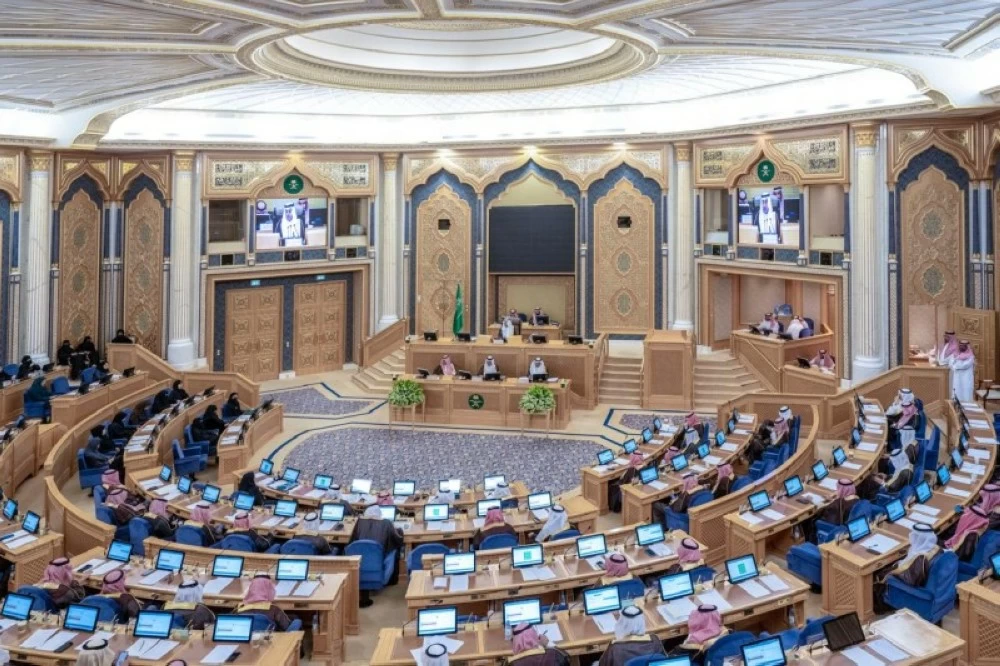
وأصدر المجلس في جلسته العادية الثانية عشرة من أعمال السنة الثانية للدورة التاسعة، المنعقدة برئاسة نائب رئيس المجلس الدكتور مشعل بن فهم السُّلمي، قراراً، طالب فيه جامعة الأمير سطام بن عبدالعزيز بوضع مؤشرات أداء خاصة بهويتها المؤسسية، تقيس مستوى تحقيقها في بيئتها الأكاديمية والمجتمعية، ورفع كفاءة منظومة التوجيه والإرشاد الطلابي. ودعا المجلس في قراره الجامعة إلى إيجاد حلول مستدامة لمعالجة القصور في البنية التحتية والتجهيزات الخاصة ببعض مباني الكليات، والتنسيق مع الجهات ذات العلاقة لدراسة الاستفادة من الحوافز والمزايا التنظيمية للمناطق الاقتصادية الخاصة في تطوير نماذج معرفية واستثمارية مبتكرة.
توسع في عمل شراكات عملية
وناقش المجلس التقرير السنوي لجامعة تبوك، وأبدى أعضاء المجلس عدداً من الملحوظات والآراء بشأن ما تضمنه التقرير السنوي لجامعة تبوك. ودعا عضو المجلس الدكتور راشد الشريف إلى أهمية الاستفادة من التميز الذي تشهده جامعة تبوك خصوصاً في التخصصات السياحية من خلال تعميم نتيجة هذا النجاح لبقية كليات الجامعة والتوسع في عمل الشراكات العملية مع الجهات ذات الاختصاص. ودعت عضو المجلس الدكتورة لبنى العجمي جامعة تبوك إلى تبني نظام رسمي ثابت لقياس الأثر التنموي، يعتمد على مؤشرات كمية ونوعية مرتبطة مباشرة بمتطلبات المشاريع الكبرى في المنطقة، وباحتياجات سوق العمل في المنطقة وبالأولويات الوطنية.
خطط مكثفة للتوسع في إنشاء الكراسي العلمية والبحثية
وناقش المجلس التقرير السنوي لجامعة الجوف، وأبدى أعضاء المجلس عدداً من الملحوظات والآراء بشأن ما تضمنه التقرير السنوي لجامعة الجوف. وطالب عضو المجلس الدكتور سلطان المرشد جامعة الجوف انطلاقاً من دورها التنموي والإستراتيجي إلى الاستفادة الكاملة من بنيتها التحتية وخبراتها الإكاديمية بتطوير سياسات قبول أكثر شمولاً ومرونة والتوسع في قبول أبناء وبنات المنطقة، بما يعزز رأس المال البشري والتنمية المستدامة في منطقة الجوف. ودعا عضو المجلس الدكتور إبراهيم الحديثي لتبني جامعة الجوف خططا مكثفة للتوسع في إنشاء الكراسي العلمية والبحثية في تخصصات الجامعة المختلفة تحقيقًا للأهداف الإستراتيجية للجامعة على صعيد البحث العلمي، والتنمية المجتمعية، وبما يسهم في خلق شراكات بين الجامعات والقطاعات الأخرى.
وناقش المجلس التقرير السنوي لجامعة طيبة، وأبدى أعضاء المجلس عدداً من الملحوظات والآراء بشأن ما تضمنه التقرير. وأكد عضو المجلس غانم الغانم حاجة الجامعة إلى بذل مزيد من الجهد لتعظيم نتائج عدد من مؤشرات الأداء الرئيسية بما يعزز انعكاسها على معايير التقييم الدولية لتصنيف الجامعات. فيما طالب عضو المجلس الدكتور سالم آل جربوع جامعة طيبة بدراسة تعزيز الشراكات البحثية الخارجية ورفع كفاءة سياسة التمويل البحثية بما يدعم التعليم والبحث والابتكار.
النجار لجامعة طيبة: برامجكم تقليدية لا يحتاجها سوق العمل
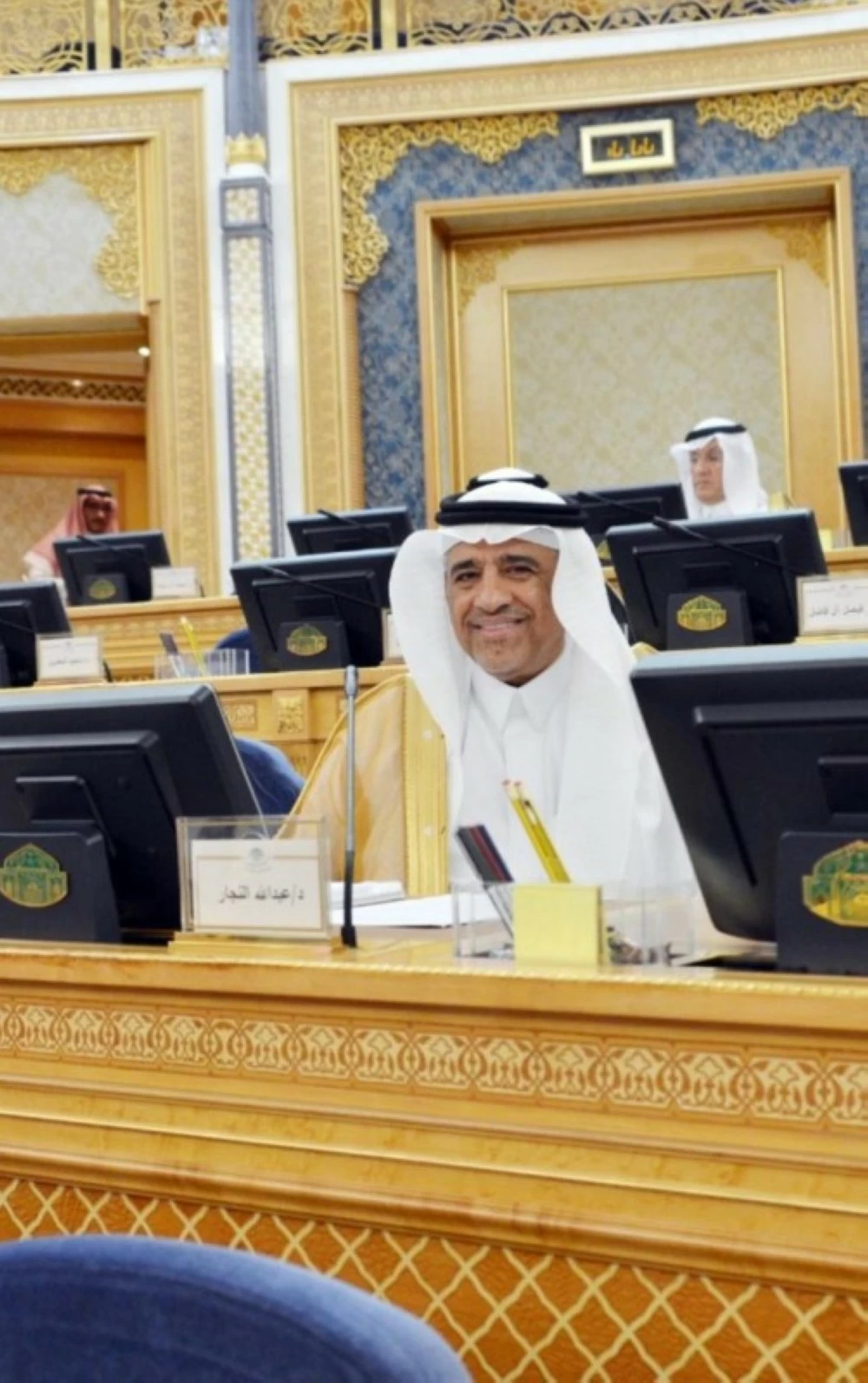
طالب عضو مجلس الشورى الدكتور عبدالله بن عمر النجار، جامعة طيبة، بإعادة هيكلة كلياتها؛ بما يتوافق مع هويتها المؤسسية ومجال تركيزها، لافتاً إلى أن الجامعات، لم تعد مجرد مؤسسات تمنح شهادات؛ بل أصبحت مصانع للمستقبل، من خلال تبنيها برامج أكاديمية قادرة على التنبؤ باتجاهاته، والتكيف مع تحولاته، وقيادة مساراته. وتساءل النجار: هل تصنع هذه البرامج الحالية بالجامعة مستقبلاً جديدا؟ أم تكرر ما سبق؟، مشيراً إلى أن البرامج المتاحة بالجامعة تقليدية، ولا تتوافق مع احتياجات سوق العمل، مؤكداً أن المستقبل لا يُصنع بالمناهج التقليدية، بل ببرامج أكاديمية، استباقية تتعرف على الفرص قبل ظهورها، ولها قابلية للتحديث المستمر لتتواءم مع أسواق عمل تتغير كل عام، وقادرة على إنتاج مهارات المستقبل مثل الاقتصاد الرقمي، الذكاء الاصطناعي، البيانات، التقنيات الصحية، والصناعات الإبداعية.
وتطلّع النجار لاعتماد برامج نوعية ذات علاقة بالحج والعمرة، والذكاء الاصطناعي، والتقنيات الصحية، المتعلقة بالحجاج والمعتمرين والزوار.
وقال في مداخلته على تقرير جامعة طيبة؛ تطوير البرامج الأكاديمية ليس عملاً داخلياً يخص الجامعة، بل هو قرار إستراتيجي يمس مستقبل الاقتصاد الوطني بأكمله، مؤمّلاً من الجامعة إعداد نماذج التنبؤ باحتياجات سوق العمل، والعمل على إنشاء (مرصد مستقبليات أكاديمية) داخل الجامعة مهمته رصد التغيرات العالمية في التخصصات والوظائف، ورفع توصيات سنوية لتحديث البرامج الأكاديمية القائمة، كونها لا تخرّج موظفين فقط، بل تصنع قادة، ومبتكرين، وصنّاع قرار.
The Shura Council issued a decision requesting the Infrastructure Projects Center in the Riyadh region to prepare a scheduled plan for implementing infrastructure projects and to coordinate with the relevant authorities to apply the value engineering methodology at all stages of infrastructure projects. Additionally, the council called for the preparation of a comprehensive plan to utilize artificial intelligence in managing infrastructure projects and to work on initiatives to enhance the satisfaction levels of beneficiaries regarding infrastructure projects in the region.
During its twelfth regular session of the second year of the ninth term, chaired by the Deputy Chairman of the Council, Dr. Mishal bin Fahm Al-Sulami, the council issued a decision requesting Prince Sattam bin Abdulaziz University to establish performance indicators specific to its institutional identity, measuring its achievement level in its academic and community environment, and to enhance the efficiency of the student guidance and counseling system. The council urged the university to find sustainable solutions to address shortcomings in the infrastructure and facilities of some college buildings, and to coordinate with relevant authorities to study the benefits of incentives and organizational advantages of special economic zones in developing innovative knowledge and investment models.
Expansion in Practical Partnerships
The council discussed the annual report of Tabuk University, and members expressed several observations and opinions regarding the contents of the annual report. Council member Dr. Rashid Al-Sharif emphasized the importance of benefiting from the excellence witnessed by Tabuk University, particularly in tourism disciplines, by generalizing the results of this success to other colleges within the university and expanding practical partnerships with relevant authorities. Council member Dr. Lubna Al-Ajmi called on Tabuk University to adopt a stable official system for measuring developmental impact, based on quantitative and qualitative indicators directly linked to the requirements of major projects in the region and the needs of the labor market, as well as national priorities.
Intensive Plans for Expanding Scientific and Research Chairs
The council discussed the annual report of Al-Jouf University, and members expressed several observations and opinions regarding the contents of the annual report. Council member Dr. Sultan Al-Murshid urged Al-Jouf University, based on its developmental and strategic role, to fully utilize its infrastructure and academic expertise by developing more inclusive and flexible admission policies and expanding the acceptance of local students, thereby enhancing human capital and sustainable development in the Al-Jouf region. Council member Dr. Ibrahim Al-Hadithi called for Al-Jouf University to adopt intensive plans for expanding the establishment of scientific and research chairs in various university disciplines to achieve the university's strategic goals in scientific research, community development, and to foster partnerships between universities and other sectors.
The council also discussed the annual report of Taibah University, and members expressed several observations and opinions regarding its contents. Council member Ghanem Al-Ghanem emphasized the need for the university to exert more effort to maximize the results of several key performance indicators, enhancing their reflection on international evaluation standards for university rankings. Meanwhile, council member Dr. Salem Al-Jarbooh urged Taibah University to study enhancing external research partnerships and improving the efficiency of research funding policies to support education, research, and innovation.
Al-Najjar to Taibah University: Your Programs are Traditional and Not Needed by the Labor Market
Shura Council member Dr. Abdullah bin Omar Al-Najjar called on Taibah University to restructure its colleges in accordance with its institutional identity and focus area, pointing out that universities are no longer just institutions that grant degrees; they have become factories for the future by adopting academic programs capable of predicting trends, adapting to changes, and leading pathways. Al-Najjar questioned whether the current programs at the university are creating a new future or merely repeating the past, noting that the available programs at the university are traditional and do not align with labor market needs. He emphasized that the future is not built on traditional curricula, but rather on proactive academic programs that identify opportunities before they arise, with the capacity for continuous updates to align with labor markets that change every year, and capable of producing future skills such as digital economy, artificial intelligence, data, health technologies, and creative industries.
Al-Najjar expressed hope for the adoption of quality programs related to Hajj and Umrah, artificial intelligence, and health technologies related to pilgrims and visitors.
In his remarks on the Taibah University report, he stated that developing academic programs is not an internal task specific to the university, but a strategic decision that affects the future of the entire national economy. He hoped that the university would prepare models for predicting labor market needs and work on establishing an "Academic Futures Observatory" within the university, tasked with monitoring global changes in disciplines and jobs, and providing annual recommendations for updating existing academic programs, as it does not only graduate employees but also creates leaders, innovators, and decision-makers.