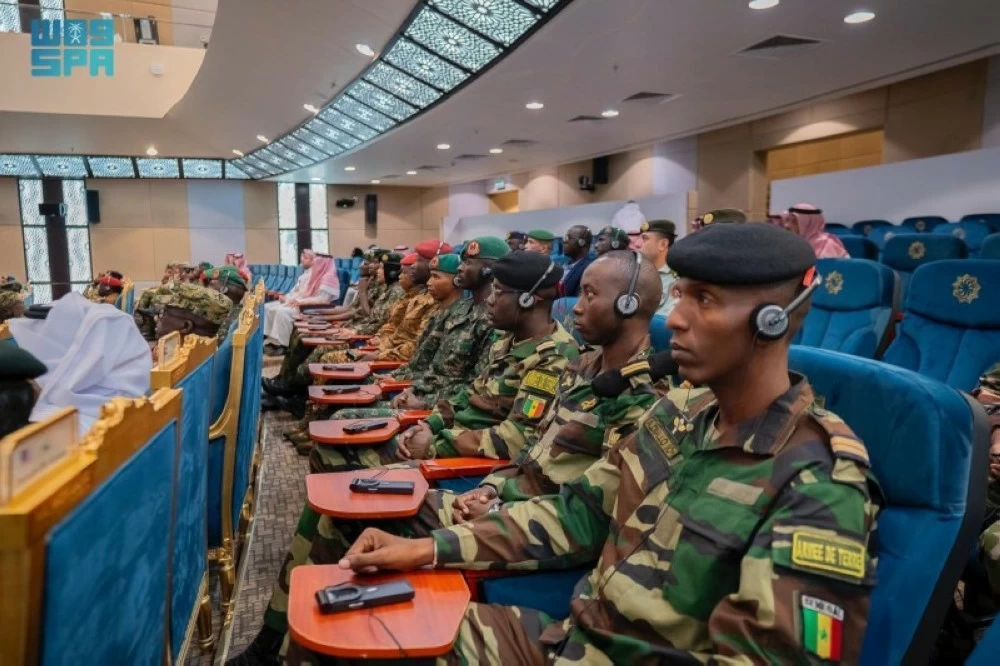
بدعم من المملكة العربية السعودية، وضمن جهود التحالف الإسلامي العسكري لمحاربة الإرهاب في بناء القدرات العسكرية للدول الأعضاء، وتعزيز التعاون وتبادل الخبرات، ودعم الجاهزية الوطنية في مواجهة التهديدات الإرهابية، وفق منهجية تدريبية احترافية ومعايير متقدّمة، أطلق التحالف الإسلامي العسكري لمحاربة الإرهاب برنامجه في مجال الاستخبارات التكتيكية، وذلك في مقر التحالف بمدينة الرياض، ضمن برامجه الهادفة إلى تعزيز الجاهزية العملياتية، ورفع كفاءة الكوادر العسكرية والمدنية في الدول الأعضاء.
22 متدرباً من 11 دولة
ويُنفَّذ البرنامج على مدى 5 أيام، خلال الفترة من 7 - 11 ديسمبر 2025م، بمشاركة 22 متدرباً من العسكريين، يمثلون 11 دولة من الدول الأعضاء، هي: بوركينا فاسو، غامبيا، سيراليون، الأردن، نيجيريا، غينيا، ماليزيا، بنغلاديش، المغرب، باكستان، والسنغال.
ويتضمن البرنامج حزمة من المحاور التدريبية المتقدمة، تشمل التعريف بمفهوم دورة الاستخبارات التكتيكية، ومتطلبات دعم اتخاذ القرار، وآليات تنفيذ مهمات المراقبة والاستطلاع، إضافةً إلى أساليب تحليل المعلومات، وتقدير المواقف، وبناء النماذج العملياتية المستخدمة في العمل الاستخباراتي.
ويسعى البرنامج إلى تنمية مجموعة من المهارات النوعية لدى المشاركين، من أبرزها تحليل بيانات الاستخبارات، وتقدير المواقف الاستخباراتية، وبناء النماذج المخصصة لدعم العمليات العسكرية، بما يواكب التحديات الأمنية الحديثة.
رؤية إستراتيجية
وأوضح الأمين العام للتحالف الإسلامي العسكري لمحاربة الإرهاب اللواء الطيار الركن محمد سعيد المغيدي، أن برامج التحالف التدريبية تأتي في إطار رؤية إستراتيجية تهدف إلى بناء قدرات مستدامة ورفع جاهزية الكوادر العسكرية في الدول الأعضاء، بما يعزز قدرتها على مواجهة التحديات والتهديدات الإرهابية بمختلف أشكالها.
وثمّن الدعم الكبير، الذي تقدّمه المملكة العربية السعودية –دولة المقر– لبرامج ومبادرات التحالف، مؤكداً أن هذه البرامج التدريبية تُنفّذ بتمويل كامل ومنح مقدمة من المملكة، في تأكيدٍ لدورها الريادي والتزامها الثابت بدعم الأمن والاستقرار، وبناء قدرات الدول الأعضاء في مواجهة الإرهاب والتطرف.
With the support of the Kingdom of Saudi Arabia, and as part of the efforts of the Islamic Military Alliance to Combat Terrorism in building the military capabilities of member states, enhancing cooperation and exchanging experiences, and supporting national readiness to face terrorist threats, according to a professional training methodology and advanced standards, the Islamic Military Alliance to Combat Terrorism launched its program in the field of tactical intelligence, at the Alliance's headquarters in Riyadh, as part of its programs aimed at enhancing operational readiness and improving the efficiency of military and civilian personnel in member states.
22 trainees from 11 countries
The program is implemented over 5 days, from December 7 to 11, 2025, with the participation of 22 military trainees representing 11 member countries, which are: Burkina Faso, Gambia, Sierra Leone, Jordan, Nigeria, Guinea, Malaysia, Bangladesh, Morocco, Pakistan, and Senegal.
The program includes a package of advanced training modules, including an introduction to the concept of the tactical intelligence cycle, requirements for decision-making support, mechanisms for executing surveillance and reconnaissance missions, in addition to methods for analyzing information, assessing situations, and building operational models used in intelligence work.
The program aims to develop a set of qualitative skills among participants, most notably intelligence data analysis, intelligence situation assessment, and building models tailored to support military operations, in line with modern security challenges.
Strategic Vision
The Secretary-General of the Islamic Military Alliance to Combat Terrorism, Major General Pilot Mohammed Saeed Al-Mogheidi, explained that the Alliance’s training programs come within a strategic vision aimed at building sustainable capabilities and enhancing the readiness of military personnel in member states, thereby strengthening their ability to face various forms of terrorist challenges and threats.
He appreciated the significant support provided by the Kingdom of Saudi Arabia – the host country – for the Alliance’s programs and initiatives, affirming that these training programs are fully funded and granted by the Kingdom, confirming its pioneering role and steadfast commitment to supporting security and stability, and building the capacities of member states in combating terrorism and extremism.