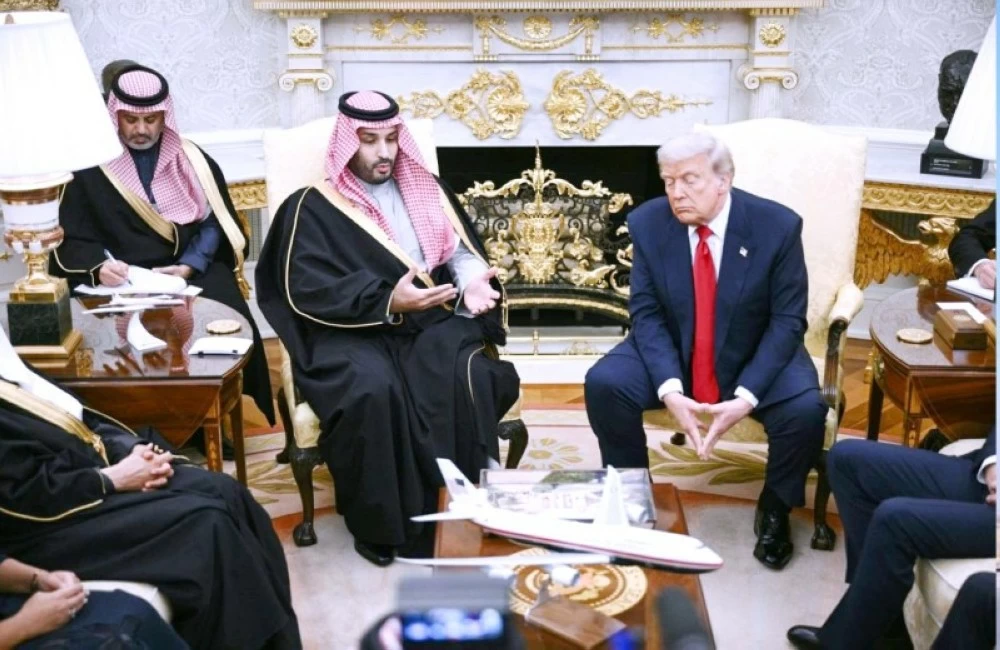
كتبت صحيفة بلجيكية أن السياسة الخارجية للمملكة العربية السعودية تهدف إلى تحقيق المصالح الوطنية للمملكة في عالم متغير من حيث ديناميات القوة العالمية.
وذكرت صحيفة (بروكسل مورنينغ)، في مقال بعنوان «رؤية 2030 وأثرها في العلاقات الخارجية للسعودية»، أن المملكة تنتهج إستراتيجية تعدد التحالفات التقليدية، من خلال الحفاظ على تحالفات قوية مع القوى العالمية الكبرى، خصوصاً مع الولايات المتحدة، وفي الوقت نفسه تحاول توسيع نطاق شراكاتها مع القوى الدولية الكبرى، مثل الصين، وروسيا، والاتحاد الأوروبي. وزادت: إن أهداف السياسة الخارجية السعودية تركّز على الاستقرار الإقليمي، والوساطات الدبلوماسية، وتنويع مصادر الاقتصاد بعيداً عن إدمان الدخل النفطي، والحفاظ على استقلال السيادة السعودية في ما يتعلق بتعاملاتها الدولية. وأشارت (بروكسل مورنينغ) إلى أن السياسة الخارجية السعودية تقوم على إقامة محاور براغماتيكية متعددة الأطراف، بحيث تتعامل المملكة مع قوى عالمية متعددة لتعزيز المرونة الجيوبوليتيكية، وتفادي الاعتماد أكثر مما يلزم على طرف فحسب. وقالت إن التحالف السعودي الأمريكي المستمر منذ 90 عاماً يظل حجر الزاوية، خصوصاً في مجالي التعاون الأمني والدفاعي. وعززت المملكة نطاق تحالفاتها مع قوى دولية أخرى، ما ينمُّ عن إدراك المملكة أن النظام العالمي متعدد الأقطاب. وأدى تعاملها مع اقتصادات ناشئة وعريقة إلى تعزيز التعاون في مجالات الطاقة، والتمويل، والتكنولوجيا.
ومن شأن تلك الدبلوماسية المتعددة الأطراف أن تتيح للمملكة حماية مصالحها الوطنية في عالم تتسم فيه الجيوبولوتيكا بالضبابية والغموض. كما أنها أضحت بفضل ذلك لاعباً دولياً رئيسياً يستحيل تجاهله. ورأت الصحيفة البلجيكية أن جوهر إستراتيجية العلاقات الخارجية للمملكة يتمثل في التزام صادق بالسلام والاستقرار في الشرق الأوسط، خصوصاً أن السعودية تدعو إلى عدم الاعتداء على الدول، وعدم التدخل في شؤون الدول، واحترام سيادة الدول. كما أن السعودية تنتهج بشكل متزايد دوراً متوازناً في ما يتعلق بالتحديات الأمنية، بهدف احتواء التهديدات، وتشجيع الاستقرار الذي يعتبر عاملاً حاسماً لتحقيق تنميتها ومصالحها.
وأضافت الصحيفة: إن تنويع الاقتصاد بعيداً عن الاعتماد على دخل النفط وحده يعد أحد المحركات الأساسية للسياسة الخارجية السعودية؛ إذ إن المملكة العربية السعودية تستخدم علاقاتها الدبلوماسية لتشجيع الدبلوماسية النفطية الهادفة لتحقيق الاستقرار في أسواق النفط، من خلال الاستثمارات في الطاقة المتجددة، والتكنولوجيا الحديثة. كما أن زعامة العالم الإسلامي، التي تنعقد للمملكة، تعتبر «قوة ناعمة» تستخدمها المملكة، جنباً إلى جنب مساعيها الدبلوماسية والاقتصادية، لتعزيز نفوذها في آسيا، وأفريقيا، وما وراءهما.
A Belgian newspaper reported that the foreign policy of the Kingdom of Saudi Arabia aims to achieve the national interests of the Kingdom in a changing world in terms of global power dynamics.
The newspaper (Brussels Morning), in an article titled "Vision 2030 and Its Impact on Saudi Arabia's Foreign Relations," stated that the Kingdom follows a strategy of traditional alliance diversification by maintaining strong alliances with major global powers, particularly with the United States, while at the same time trying to expand its partnerships with other major international powers, such as China, Russia, and the European Union. It added that the objectives of Saudi foreign policy focus on regional stability, diplomatic mediation, diversifying economic sources away from dependence on oil income, and maintaining the independence of Saudi sovereignty regarding its international dealings. (Brussels Morning) pointed out that Saudi foreign policy is based on establishing pragmatic multilateral axes, allowing the Kingdom to engage with multiple global powers to enhance geopolitical resilience and avoid over-reliance on just one party. It stated that the Saudi-American alliance, which has lasted for 90 years, remains a cornerstone, particularly in the fields of security and defense cooperation. The Kingdom has expanded the scope of its alliances with other international powers, indicating its recognition of the multipolar global system. Its engagement with emerging and established economies has strengthened cooperation in energy, finance, and technology.
This multilateral diplomacy would enable the Kingdom to protect its national interests in a world characterized by geopolitical ambiguity and uncertainty. It has also made Saudi Arabia a key international player that cannot be ignored. The Belgian newspaper viewed that the essence of the Kingdom's foreign relations strategy lies in a sincere commitment to peace and stability in the Middle East, especially as Saudi Arabia calls for non-aggression against states, non-interference in the affairs of countries, and respect for state sovereignty. Additionally, Saudi Arabia is increasingly adopting a balanced role regarding security challenges, aiming to contain threats and promote stability, which is considered a critical factor for achieving its development and interests.
The newspaper added: Diversifying the economy away from reliance on oil income alone is one of the main drivers of Saudi foreign policy; the Kingdom of Saudi Arabia uses its diplomatic relations to promote oil diplomacy aimed at stabilizing oil markets through investments in renewable energy and modern technology. Moreover, the leadership of the Islamic world, which is held by the Kingdom, is considered a "soft power" that Saudi Arabia utilizes, alongside its diplomatic and economic efforts, to enhance its influence in Asia, Africa, and beyond.