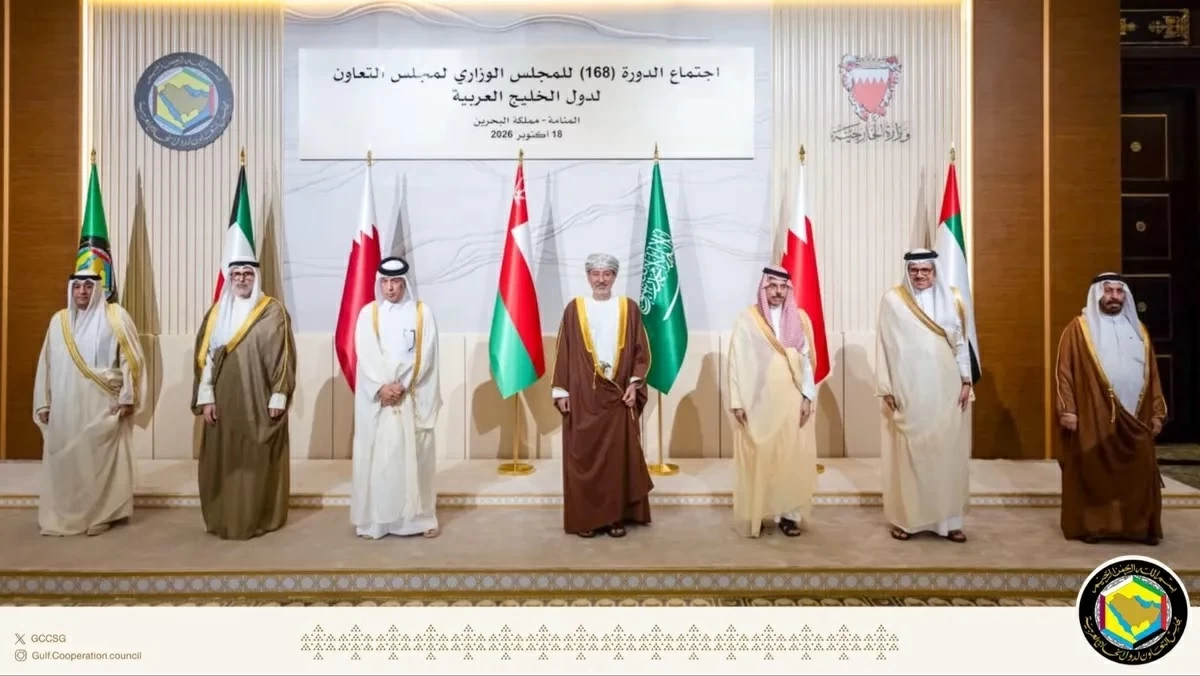
في موقف خليجي يؤكد التضامن مع الرياض، شدد وزير خارجية البحرين عبد اللطيف الزياني، على أن أمن المملكة العربية السعودية جزء لا يتجزأ من أمن مجلس التعاون، مؤكداً تضامن بلاده مع السعودية في الإجراءات التي تتخذها لصون سيادتها وحماية أمنها.
وأدان الزياني خلال الاجتماع الوزاري الـ 168 لمجلس التعاون الخليجي في المنامة، (الأحد)، استمرار اعتداءات مليشيا الحوثي على المدنيين في السعودية، مجدداً موقف بلاده الداعم للمملكة في مواجهة التهديدات التي تستهدف أمنها وسيادتها.
وأكد وزير خارجية البحرين أن حرية الملاحة في مضيقي هرمز وباب المندب تمثل ركيزة لاستقرار الاقتصاد العالمي، في إشارة إلى أهمية حماية الممرات البحرية وضمان استمرار حركة التجارة الدولية.
من جانبه، جدد الأمين العام لمجلس التعاون لدول الخليج العربية جاسم البديوي، إدانته القاطعة للاعتداءات الحوثية على السعودية، واصفاً إياها بأنها «سلوك إجرامي»، ومطالباً المجتمع الدولي بالتحرك لوقف هذه الاعتداءات.
وأكد رفض الاعتداءات الحوثية التي تستهدف المملكة، مشدداً على ضرورة تحرك المجتمع الدولي لوقفها.
ووصف الأمين العام الاعتداءات الإيرانية على دول الخليج بأنها انتهاك صارخ لسيادتها، مؤكداً رفض استهداف إيران لأمن الملاحة في مضيق هرمز.
وتعكس التصريحات تأكيداً على ترابط أمن دول مجلس التعاون، ورفض الاعتداءات التي تستهدف أراضيها أو سكانها. ويكتسب هذا الموقف أهمية في ظل المكانة الإستراتيجية للمضيق بوصفه أحد أبرز الممرات البحرية لنقل النفط والغاز والتجارة الدولية، ما يجعل أمن الملاحة فيه قضية تتجاوز نطاق المنطقة إلى الاقتصاد العالمي.
ويُعد مضيق هرمز منفذاً بحرياً رئيسياً لصادرات الطاقة من منطقة الخليج، فيما يربط باب المندب البحر الأحمر بخليج عدن، ويشكل ممراً مهماً للسفن المتجهة بين آسيا وأوروبا عبر قناة السويس.
وتبرز التصريحات الخليجية أهمية حماية سيادة الدول وأمن الممرات البحرية، في ظل ارتباط استقرار المنطقة بسلامة حركة الملاحة والتجارة الدولية.
In a Gulf stance that reaffirms solidarity with Riyadh, Bahrain's Foreign Minister Abdullatif Al-Zayani emphasized that the security of the Kingdom of Saudi Arabia is an integral part of the security of the Gulf Cooperation Council, affirming his country's solidarity with Saudi Arabia in the measures it takes to preserve its sovereignty and protect its security.
During the 168th ministerial meeting of the Gulf Cooperation Council in Manama on Sunday, Al-Zayani condemned the continued attacks by the Houthi militia on civilians in Saudi Arabia, reiterating his country's supportive stance towards the Kingdom in facing the threats targeting its security and sovereignty.
He affirmed that freedom of navigation in the Strait of Hormuz and Bab el-Mandeb is a cornerstone for the stability of the global economy, referring to the importance of protecting maritime corridors and ensuring the continuity of international trade.
For his part, the Secretary-General of the Gulf Cooperation Council, Jasem Al-Budaiwi, reiterated his strong condemnation of the Houthi attacks on Saudi Arabia, describing them as "criminal behavior," and calling on the international community to take action to stop these assaults.
He confirmed the rejection of the Houthi attacks targeting the Kingdom, stressing the necessity for the international community to act to halt them.
The Secretary-General described the Iranian attacks on Gulf countries as a blatant violation of their sovereignty, reaffirming the rejection of Iran's targeting of maritime security in the Strait of Hormuz.
The statements reflect a confirmation of the interconnectedness of the security of the Gulf Cooperation Council countries and the rejection of attacks targeting their territories or populations. This stance gains importance given the strategic significance of the strait as one of the main maritime corridors for transporting oil, gas, and international trade, making the security of navigation there an issue that transcends the region to the global economy.
The Strait of Hormuz is a major maritime outlet for energy exports from the Gulf region, while Bab el-Mandeb connects the Red Sea to the Gulf of Aden and serves as an important passage for ships traveling between Asia and Europe via the Suez Canal.
The Gulf statements highlight the importance of protecting the sovereignty of states and the security of maritime corridors, in light of the connection between the stability of the region and the safety of navigation and international trade.