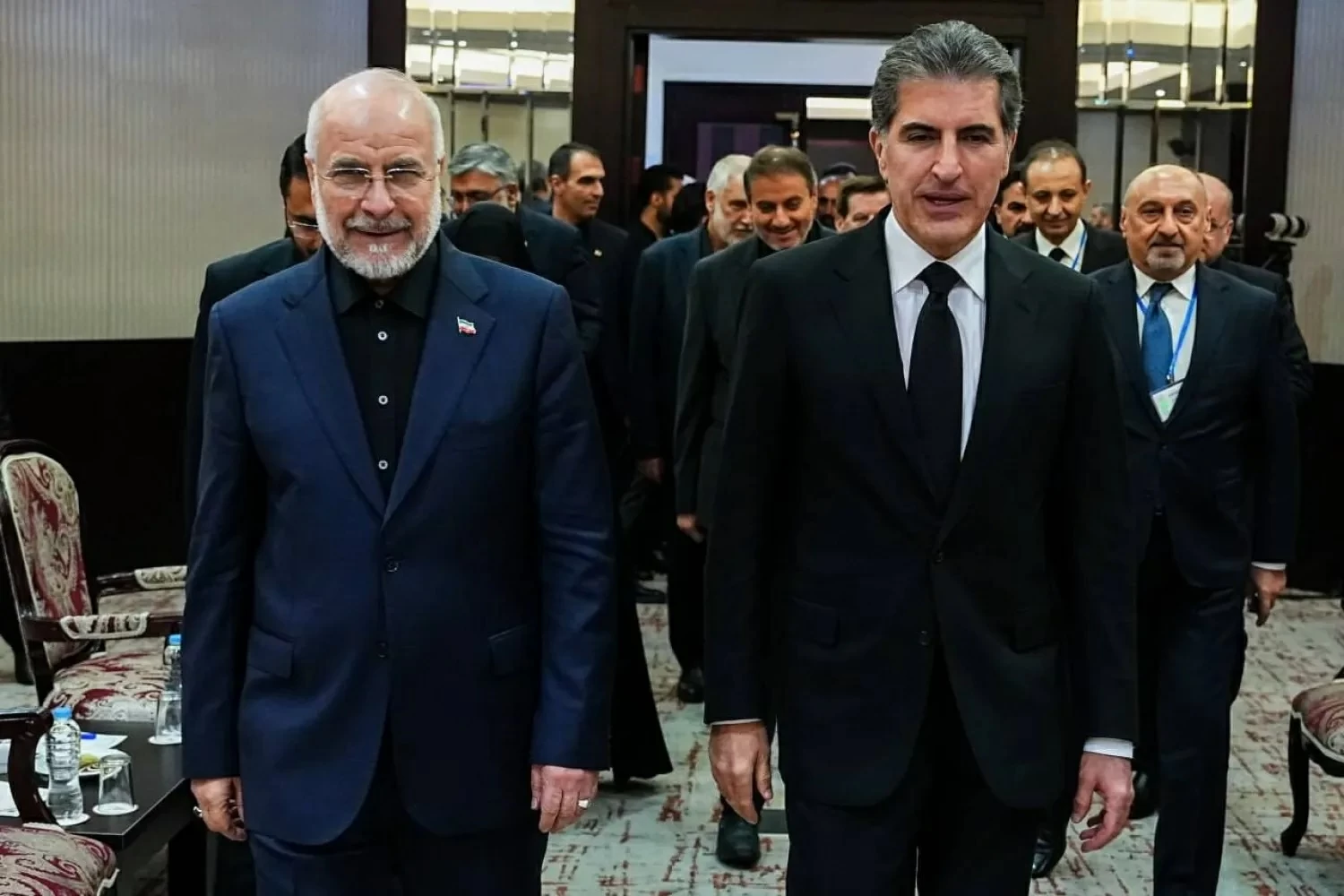
كشفت مصادر كردية عراقية رفيعة المستوى أن رئيس إقليم كردستان العراق نيجيرفان بارزاني نقل رسائل بين الولايات المتحدة وإيران، رغم نفي الحرس الثوري الإيراني تصريحات الرئيس الأمريكي دونالد ترمب التي أعلن فيها وجود قنوات تواصل غير رسمية مع طهران.
وأفصحت المصادر المقرّبة من رئاسة إقليم كردستان لموقع «العربية / الحدث. نت»، أن بارزاني بدأ بلعب دور الوساطة بين الولايات المتحدة وإيران منذ مطلع مارس الماضي، وبعد أيام من بدء الضربات الجوية التي شنّتها واشنطن وإسرائيل على طهران، «حيث كان من الصعب آنذاك أن يتواصل المسؤولون الأمريكيون والإيرانيون».
وأكدت المصادر أن رئيس إقليم كردستان التقى بمسؤولين أمريكيين وإيرانيين كبار من أجل التهدئة بين الجانبين، واجتمع مرتين في العاصمة العراقية بغداد مع قائد فيلق القدس في الحرس الثوري إسماعيل قآني.
وحسب ذات المصادر، فإن بارزاني اجتمع مع قآني مطلع أغسطس الجاري وفي شهر يوليو الماضي، ونقل رسائل بين الولايات المتحدة وإيران في مسارٍ غير علني بهدف التهدئة بين الجانبين.
ورغم الحديث عن تلك الوساطة، تعرض المكتب الخاص لرئيس حكومة إقليم كردستان ومكتب جهاز أمن الحماية (باراستن) إلى هجمات إيرانية أمس الإثنين، ما من شأنه أن يؤثر سلباً على هذا الدور.
وأفاد مصدر كردي عراقي بأن «الهجوم بطائرتين مسيرتين على المكتب الخاص لرئيس حكومة إقليم كردستان سيؤثر سلباً على دور الوسيط الذي يلعبه بارزاني».
ويحظى ملف الوساطة التي يقودها بارزاني بسرّية شديدة وكانت قد أدت لخفض الهجمات الإيرانية على إقليم كردستان، وفق المصدر السابق.
وأفصحت المصادر أن بارزاني يلعب دور الوساطة بين بغداد ودمشق في مسارٍ يحظى بدعمٍ أمريكي أيضاً.وزار العاصمة السورية مطلع الشهر الجاري، وأجرى محادثات مع الرئيس السوري أحمد الشرع حول الاقتصاد والأمن الإقليمي. ومهّد بارزاني من خلال هذه المحادثات لزيارة رسمية إلى سورية سيقوم بها رئيس وزراء العراق علي الزيدي قبل نهاية العام الحالي.
وكان الرئيس ترمب أعلن أخيراً أن واشنطن تواصلت مع قيادة الحرس الثوري عبر قنوات غير رسمية. ونقل موقع«أكسيوس» عن مصادر مطلعة قولها إن إدارة ترمب لجأت قبل أشهر إلى قناة اتصال سرية مع قيادة الحرس الثوري، بعدما بدأت تشكك في قدرة المفاوضين الإيرانيين الرسميين على اتخاذ قرارات ملزمة بشأن إنهاء الحرب.
وكشفت 3 مصادر على اطلاع مباشر على المحادثات، أن الإدارة الأمريكية اختارت رئيس إقليم كردستان للاضطلاع بدور الوسيط السري، نظراً لتمتعه بعلاقات وثيقة وثقة لدى مسؤولين أميركيين وإيرانيين، بما في ذلك شخصيات بارزة في الحرس الثوري.
Iraqi Kurdish sources revealed that the President of the Kurdistan Region of Iraq, Nechirvan Barzani, has been conveying messages between the United States and Iran, despite the Iranian Revolutionary Guard denying U.S. President Donald Trump's statements about the existence of unofficial communication channels with Tehran.
The sources close to the Presidency of the Kurdistan Region disclosed to "Al Arabiya / Al Hadath.net" that Barzani began playing a mediating role between the United States and Iran since early March, just days after the airstrikes launched by Washington and Israel on Tehran, "when it was difficult for American and Iranian officials to communicate at that time."
The sources confirmed that the President of the Kurdistan Region met with senior American and Iranian officials to ease tensions between the two sides, and he held two meetings in the Iraqi capital, Baghdad, with the commander of the Quds Force in the Revolutionary Guard, Ismail Qaani.
According to the same sources, Barzani met with Qaani in early August and in July, conveying messages between the United States and Iran in a non-public manner aimed at de-escalation between the two sides.
Despite the discussions about this mediation, the office of the President of the Kurdistan Regional Government and the office of the Protection Security Agency (Parastin) were subjected to Iranian attacks yesterday, Monday, which could negatively impact this role.
A Kurdish Iraqi source stated that "the drone attack on the office of the President of the Kurdistan Regional Government will negatively affect the mediating role that Barzani plays."
The mediation file led by Barzani is highly confidential and has contributed to reducing Iranian attacks on the Kurdistan Region, according to the previous source.
The sources revealed that Barzani is also playing a mediating role between Baghdad and Damascus in a process that enjoys American support as well. He visited the Syrian capital earlier this month and held talks with Syrian President Ahmad al-Shara about the economy and regional security. Barzani paved the way for an official visit to Syria by Iraqi Prime Minister Ali Al-Zaydi before the end of this year through these discussions.
President Trump recently announced that Washington had communicated with the leadership of the Revolutionary Guard through unofficial channels. Axios reported that informed sources said the Trump administration resorted months ago to a secret communication channel with the Revolutionary Guard leadership after beginning to doubt the ability of official Iranian negotiators to make binding decisions regarding ending the war.
Three sources with direct knowledge of the talks revealed that the U.S. administration chose the President of the Kurdistan Region to take on the role of secret mediator due to his close relationships and trust with American and Iranian officials, including prominent figures in the Revolutionary Guard.