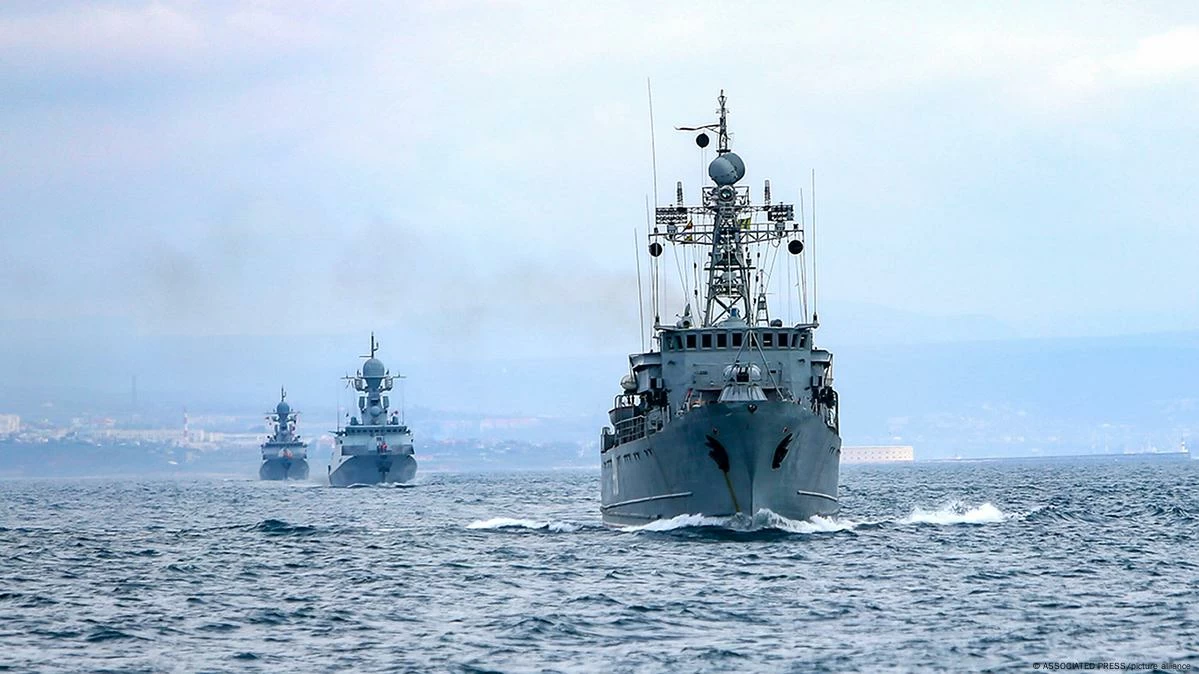
رفضت السلطات الروسية فكرة منح أوكرانيا هدنة مؤقتة في البحر الأسود، رداً على عرض من كييف لوقف الهجمات على الأهداف المدنية في المنطقة، في ظل تصاعد الضربات المتبادلة على السفن والموانئ وتأثيرها على حركة التجارة وصادرات الحبوب.
واعتبرت موسكو أنه «لا توجد مبررات» لمنح كييف وقفاً مؤقتاً لإطلاق النار في البحر الأسود، بعدما كشف مصدر مطلع أن أوكرانيا نقلت إلى الجانب الروسي، عبر طرف ثالث، مقترحاً لوقف استهداف الأهداف المدنية في البحر.
وكان نائب وزير الخارجية الروسي ألكسندر جروشكو، قال إن بلاده لم تتلق مقترحاً رسمياً بهذا الشأن، رغم ما وصفه بتعدد الدعوات إلى هدن ووقف لإطلاق النار عبر قنوات مختلفة.
عرض أوكراني عبر طرف ثالث
وكشف مصدر مطلع لوكالة رويترز، الخميس، أن أوكرانيا أرسلت إلى روسيا عرضاً لوقف الهجمات على الأهداف المدنية في البحر الأسود، وأن كييف تنتظر رداً من موسكو.
وجاء المقترح وسط تصاعد ملحوظ في الهجمات على السفن والمنشآت الساحلية، ما أثار مخاوف من امتداد تداعيات الحرب مجدداً إلى أسواق الغذاء العالمية، خصوصاً أن روسيا وأوكرانيا من كبار مصدري الحبوب والمنتجات الزراعية.
وتعرضت موانئ منطقة أوديسا في جنوب أوكرانيا لهجمات روسية أواخر يوليو، طالت عشرات السفن، وفق كييف، ما دفع عدداً من مالكي السفن إلى وقف عملياتهم واضطر أوكرانيا إلى الاعتماد بصورة أكبر على طرق بديلة للتصدير.
وطالت الهجمات الأوكرانية منشآت روسية على البحر الأسود، إذ اضطرت روسيا إلى تعليق العمليات في محطاتها الثلاث بميناء نوفوروسيسك يومي الأربعاء والخميس عقب هجوم أوكراني، وهو ما يهدد بمزيد من الضغوط على صادرات الحبوب الروسية.
الحبوب في قلب الصراع
وتعيد التطورات ملف أمن الملاحة في البحر الأسود إلى الواجهة، بعد أكثر من ثلاث سنوات على انهيار الاتفاق الذي توسطت فيه الأمم المتحدة وتركيا لضمان تصدير الحبوب الأوكرانية بحراً.
ووقع الاتفاق بعد اندلاع الحرب في 2022 بهدف الحفاظ على تدفق الحبوب والحد من خطر أزمة غذاء عالمية، إلا أن روسيا رفضت تمديده في يوليو 2023.
وبعد انهياره، أنشأت أوكرانيا ممراً بحرياً بديلاً سمح باستمرار حركة الصادرات عبر البحر الأسود، وظل يعمل رغم الحرب قبل أن يتعرض لضغوط متزايدة مع موجة التصعيد الأخيرة.
ولا يقتصر الخلاف الجديد بين موسكو وكييف على هدنة بحرية محتملة، إذ يرتبط أيضاً بمعركة أوسع على حرية الملاحة وقدرة الطرفين على إبقاء صادراتهما الزراعية متدفقة، وسط مخاوف من أن يؤدي استمرار استهداف الموانئ والسفن إلى اضطراب جديد في أسواق الغذاء العالمية.
The Russian authorities rejected the idea of granting Ukraine a temporary ceasefire in the Black Sea, in response to an offer from Kyiv to stop attacks on civilian targets in the region, amid escalating reciprocal strikes on ships and ports and their impact on trade and grain exports.
Moscow considered that "there are no justifications" for granting Kyiv a temporary ceasefire in the Black Sea, after a well-informed source revealed that Ukraine conveyed to the Russian side, through a third party, a proposal to stop targeting civilian objectives at sea.
Russian Deputy Foreign Minister Alexander Grushko stated that his country had not received an official proposal in this regard, despite what he described as numerous calls for ceasefires through various channels.
Ukrainian Offer Through a Third Party
A well-informed source revealed to Reuters on Thursday that Ukraine sent Russia an offer to stop attacks on civilian targets in the Black Sea, and that Kyiv is awaiting a response from Moscow.
The proposal came amid a noticeable increase in attacks on ships and coastal facilities, raising concerns about the repercussions of the war extending once again to global food markets, especially since Russia and Ukraine are major exporters of grains and agricultural products.
The ports in the Odesa region of southern Ukraine were subjected to Russian attacks in late July, affecting dozens of ships, according to Kyiv, which led several shipowners to halt their operations and forced Ukraine to rely more on alternative export routes.
Ukrainian attacks also targeted Russian facilities in the Black Sea, as Russia was compelled to suspend operations at its three terminals in the port of Novorossiysk on Wednesday and Thursday following a Ukrainian attack, which threatens to exert further pressure on Russian grain exports.
Grains at the Heart of the Conflict
The developments bring the issue of maritime security in the Black Sea back to the forefront, after more than three years since the collapse of the agreement mediated by the United Nations and Turkey to ensure the maritime export of Ukrainian grains.
The agreement was signed after the outbreak of war in 2022 with the aim of maintaining the flow of grains and mitigating the risk of a global food crisis, but Russia refused to extend it in July 2023.
After its collapse, Ukraine established an alternative maritime corridor that allowed the continuation of exports via the Black Sea, which remained operational despite the war before facing increasing pressures with the recent escalation.
The new dispute between Moscow and Kyiv is not limited to a potential maritime ceasefire; it is also related to a broader battle over freedom of navigation and the ability of both sides to keep their agricultural exports flowing, amid fears that continued targeting of ports and ships could lead to new disruptions in global food markets.