تحتفل الهند بيوم استقلالها الثمانين، ونستذكر بامتنان الرجال والنساء الذين لا يُحصى عددهم، والذين بفضل شجاعتهم وتضحياتهم نالت بلادنا حريتها. كما نحيّي أجيال الهنود الذين أسهموا، منذ عام 1947، في ترسيخ ديمقراطيتنا وبناء مؤسساتنا ودفع مسيرة التنمية المتميّزة التي شهدتها البلاد.
إن يوم الاستقلال ليس مناسبة للنظر إلى الماضي بفخر فحسب، بل هو أيضاً فرصة للتطلع إلى المستقبل بثقة. وتمضي الهند اليوم نحو تحقيق رؤية «فيكست بهارات» (الهند المتقدمة) بحلول عام 2047. وقد سجل الاقتصاد نمواً حقيقياً في الناتج المحلي الإجمالي بنسبة 7.7 % خلال السنة المالية 2025-2026، فيما تواصل البلاد توسيع قاعدتها التصنيعية وتحديث بنيتها التحتية والاستثمار في التقنيات الجديدة.
ويجسّد مفهوم «اصنع في الهند، اصنع للعالم» جانباً مهماً من هذا التحول. فالهند تبني قدراتها في مجالات تمتد من الإلكترونيات والأدوية والتصنيع المتقدم إلى أشباه الموصلات والتقنيات النظيفة. كما تدعم مبادرة رئيس الوزراء «غاتي شاكتي» التخطيط الأكثر تكاملاً للطرق والسكك الحديدية والموانئ والمطارات وشبكات الخدمات اللوجستية. وعمّقت الهند كذلك تعاونها مع شركائها التجاريين الرئيسيين، إذ دخلت اتفاقيات اقتصادية جديدة مع المملكة المتحدة وسلطنة عُمان حيز النفاذ هذا العام، فيما اختُتمت المفاوضات التجارية مع الاتحاد الأوروبي ونيوزيلندا.
وتظل التكنولوجيا محركاً رئيسياً للتغيير. وقد أظهرت البنية التحتية الرقمية العامة في الهند الإمكانات التي يتيحها توظيف التكنولوجيا لتوسيع نطاق الوصول إلى الخدمات المالية والعامة. وانطلاقاً من هذه التجربة، تستثمر البلاد في الذكاء الاصطناعي، وتصنيع أشباه الموصلات، وتقنيات الكم، والحوسبة المتقدمة.
كما يدخل قطاع الفضاء الهندي مرحلة جديدة. واستناداً إلى إنجازات «تشاندرايان-3» و«أديتيا-L1»، يتواصل العمل على برنامج «غاغانيان» للرحلات الفضائية المأهولة. وفي يوليو 2026، أصبح «فيكرام-I»، الذي طورته شركة «سكاي روت إيروسبيس» الهندية الناشئة، أول صاروخ مداري تطلقه شركة هندية خاصة من الأراضي الهندية. وفي الشهر نفسه، دُشّن أول قطار هندي مطوّر محلياً يعمل بخلايا وقود الهيدروجين بين جيند وسونيبات. ويعكس ذلك، إلى جانب التوسع في الطاقة المتجددة والمهمة الوطنية للهيدروجين الأخضر، تركيز الهند المتزايد على التقنيات الأنظف والتنمية المستدامة.
ورغم تنوع هذه التطورات، فإن الاتجاه واضح: الهند تبني قدراتها في الداخل، فيما تسهم بصورة متزايدة في تقديم المنتجات والتقنيات والحلول إلى العالم.
وبالتوازي مع مسيرة الهند اللافتة في النمو والتحول، واصلت شراكتها مع المملكة العربية السعودية اكتساب مزيد من القوة. وتشمل الشراكة الاستراتيجية بين الهند والمملكة اليوم التعاون في المجالات السياسية والاقتصادية والطاقة والدفاع والتكنولوجيا والثقافة والتواصل بين الشعبين، مستندة إلى رصيد عريق من حسن النوايا والثقة المتبادلة.
وبالنسبة لنا في جدة، لعل البعد الأكثر حضوراً لهذه الشراكة هو ما نلمسه من خلال الناس وروابطهم. ويعيش ويعمل في المملكة نحو 2.7 مليون هندي، يسهمون في قطاعات الرعاية الصحية والهندسة والتعليم والتكنولوجيا والأعمال والصناعة والإنشاءات وغيرها من المجالات. وقد أمضى كثير منهم سنوات، بل وعقوداً، في المملكة. وبفضل مهنيتهم وعملهم الدؤوب واحترامهم لقوانين المملكة العربية السعودية وتقاليدها، اكتسبوا قدراً كبيراً من التقدير، وما زالوا يشكلون جسراً راسخاً بين بلدينا.
وتظل خدمة هذه الجالية الكبيرة والمتنوعة من المسؤوليات الأساسية للقنصلية العامة للهند في جدة. ونسعى إلى جعل الخدمات القنصلية وخدمات رعاية الجالية أكثر سهولة واستجابة، من خلال برامج التواصل واللقاءات المفتوحة وتقديم المساعدة على مدار الساعة في حالات الطوارئ. ونحن نقدر عالياً التعاون الذي تقدمه السلطات السعودية في دعم ورعاية المواطنين الهنود.
كما تحتل جدة مكانة خاصة في تواصلنا نظراً لارتباطها بالحج. فبالنسبة للحجاج الهنود، يمثل الحج تحقيقاً لتطلع روحي عميق وعزيز. وقد شهد موسم حج 2026 مجدداً استعدادات مكثفة وتنسيقاً وثيقاً بين السلطات الهندية والسعودية لتيسير أداء المناسك وتقديم الدعم اللازم للحجاج الهنود. ونعرب عن بالغ تقديرنا لحكومة المملكة العربية السعودية، ولا سيما وزارة الحج والعمرة والجهات المعنية الأخرى، على تعاونها وعلى ما تواصل القيام به من تحسين للخدمات والمرافق المقدمة للحجاج.
وخلال العام الماضي، سعت القنصلية إلى تعزيز التقارب بين شعبينا من خلال المهرجانات الثقافية، والفنون والموسيقى الهندية، وبرامج اليوغا والعافية، والمبادرات الأدبية والتعليمية، والأفلام والمأكولات، بالتعاون الوثيق مع مؤسسات الجالية والشركاء المحليين. كما حرصنا على توسيع نطاق هذا التواصل إلى ما وراء جدة، من خلال التواصل مع الجاليات والجامعات والغرف التجارية والسلطات المحلية في مختلف أنحاء المنطقة الغربية من المملكة العربية السعودية. وأولينا الشباب اهتماماً خاصاً من خلال برامج تعليمية وثقافية وتقنية تشجع على مزيد من التفاعل والتفاهم.
وتتعزز هذه الروابط مع تزايد معرفة كل مجتمع بالآخر. فقد حظيت اليوغا والسينما الهندية والموسيقى والمأكولات الهندية بتقدير واسع في المملكة، فيما يتيح نمو حركة السفر والسياحة فرصاً جديدة للسعوديين والهنود للتعرف بصورة مباشرة على ثقافة كل منهما. وتمنح هذه التفاعلات اليومية العلاقات الثنائية مزيداً من العمق والاستمرارية. وبصفتي القنصل العام، أرى أن هذا التواصل الإنساني يمثل إحدى نقاط القوة الراسخة في الشراكة بين الهند والسعودية.
ومع دخول الهند عامها الثمانين كدولة مستقلة، نتطلع إلى المستقبل بثقة وعزم على بناء هند مزدهرة ومبتكرة ومستدامة، مع مواصلة دورها كشريك موثوق للعالم.
ونعرب عن خالص امتناننا لخادم الحرمين الشريفين الملك سلمان بن عبدالعزيز آل سعود؛ وولي العهد رئيس مجلس الوزراء الأمير محمد بن سلمان بن عبدالعزيز آل سعود، ولحكومة المملكة وشعبها، لما يكنونه للهند من صداقة، ولدعمهم للحجاج الهنود، ولما تحظى به الجالية الهندية من حفاوة واهتمام.
وفي يوم الاستقلال هذا، أتقدم بأحر التهاني إلى جميع المواطنين الهنود وأصدقاء الهند في المملكة العربية السعودية.
India is celebrating its eightieth Independence Day, and we gratefully remember the countless men and women whose courage and sacrifices have granted our country its freedom. We also salute the generations of Indians who have contributed, since 1947, to solidifying our democracy, building our institutions, and driving the remarkable development journey that the country has witnessed.
Independence Day is not only an occasion to look back at the past with pride but also an opportunity to look forward to the future with confidence. Today, India is moving towards realizing the vision of "Viksit Bharat" (Developed India) by 2047. The economy has recorded a real GDP growth of 7.7% during the fiscal year 2025-2026, while the country continues to expand its manufacturing base, modernize its infrastructure, and invest in new technologies.
The concept of "Make in India, Make for the World" embodies an important aspect of this transformation. India is building its capabilities in areas ranging from electronics and pharmaceuticals to advanced manufacturing, semiconductors, and clean technologies. The Prime Minister's "Gati Shakti" initiative supports more integrated planning for roads, railways, ports, airports, and logistics networks. India has also deepened its cooperation with its key trading partners, with new economic agreements with the United Kingdom and Oman coming into effect this year, while trade negotiations with the European Union and New Zealand have been concluded.
Technology remains a key driver of change. India's public digital infrastructure has demonstrated the potential of leveraging technology to expand access to financial and public services. Building on this experience, the country is investing in artificial intelligence, semiconductor manufacturing, quantum technologies, and advanced computing.
The Indian space sector is also entering a new phase. Building on the achievements of "Chandrayaan-3" and "Aditya-L1," work continues on the "Gaganyaan" program for manned space flights. In July 2026, "Vikram-I," developed by the Indian startup "Skyroot Aerospace," became the first orbital rocket launched by a private Indian company from Indian soil. In the same month, the first locally developed Indian hydrogen fuel cell train was inaugurated between Jind and Sonipat. This reflects, alongside the expansion of renewable energy and the national mission for green hydrogen, India's increasing focus on cleaner technologies and sustainable development.
Despite the diversity of these developments, the trend is clear: India is building its capabilities domestically while increasingly contributing to providing products, technologies, and solutions to the world.
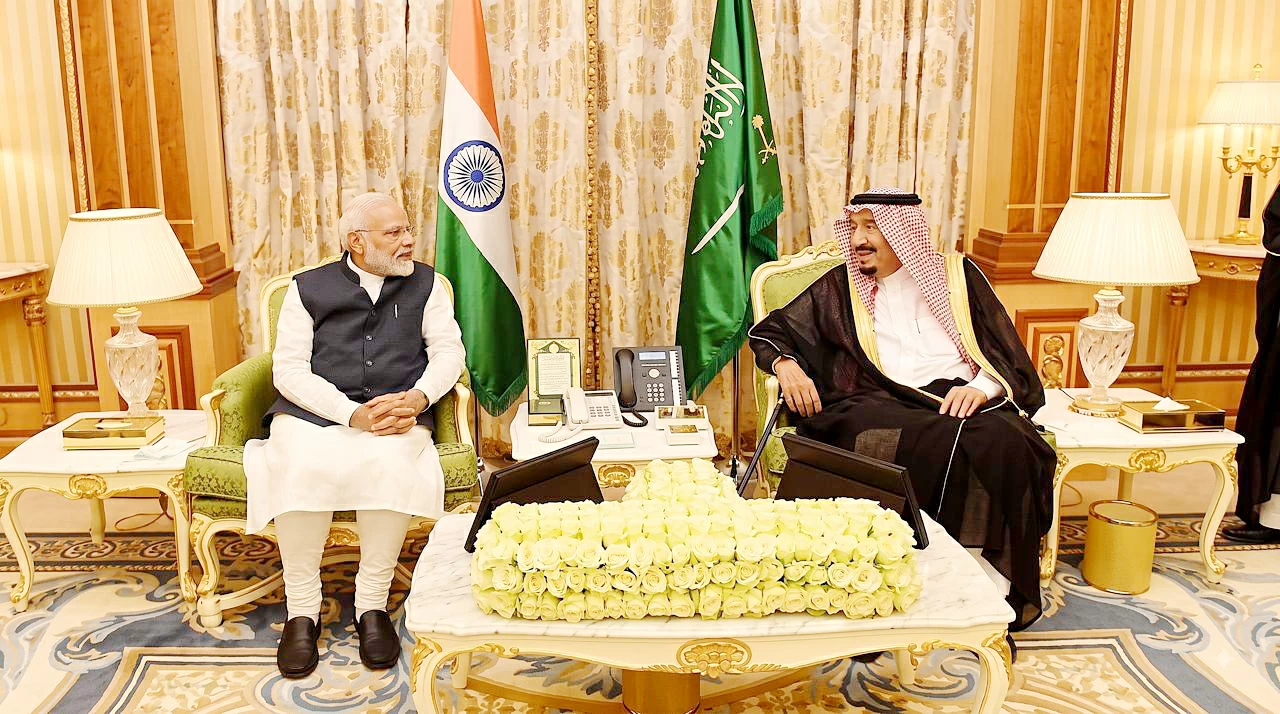
Alongside India's remarkable journey of growth and transformation, its partnership with Saudi Arabia continues to gain strength. The strategic partnership between India and the Kingdom today includes cooperation in political, economic, energy, defense, technology, culture, and people-to-people exchanges, based on a rich legacy of goodwill and mutual trust.
For us in Jeddah, perhaps the most prominent aspect of this partnership is what we experience through the people and their connections. Approximately 2.7 million Indians live and work in the Kingdom, contributing to sectors such as healthcare, engineering, education, technology, business, industry, construction, and more. Many of them have spent years, even decades, in the Kingdom. Thanks to their professionalism, hard work, and respect for the laws and traditions of Saudi Arabia, they have gained a great deal of appreciation and continue to form a strong bridge between our two countries.
Serving this large and diverse community remains one of the core responsibilities of the Consulate General of India in Jeddah. We strive to make consular services and community care more accessible and responsive through outreach programs, open meetings, and providing assistance around the clock in emergencies. We highly appreciate the cooperation provided by Saudi authorities in supporting and caring for Indian citizens.
Jeddah holds a special place in our communication due to its connection with Hajj. For Indian pilgrims, Hajj represents the fulfillment of a deep and cherished spiritual aspiration. The 2026 Hajj season once again witnessed intensive preparations and close coordination between Indian and Saudi authorities to facilitate the performance of rituals and provide necessary support to Indian pilgrims. We express our deep appreciation to the Government of Saudi Arabia, particularly the Ministry of Hajj and Umrah and other relevant authorities, for their cooperation and for their ongoing efforts to improve services and facilities provided to pilgrims.
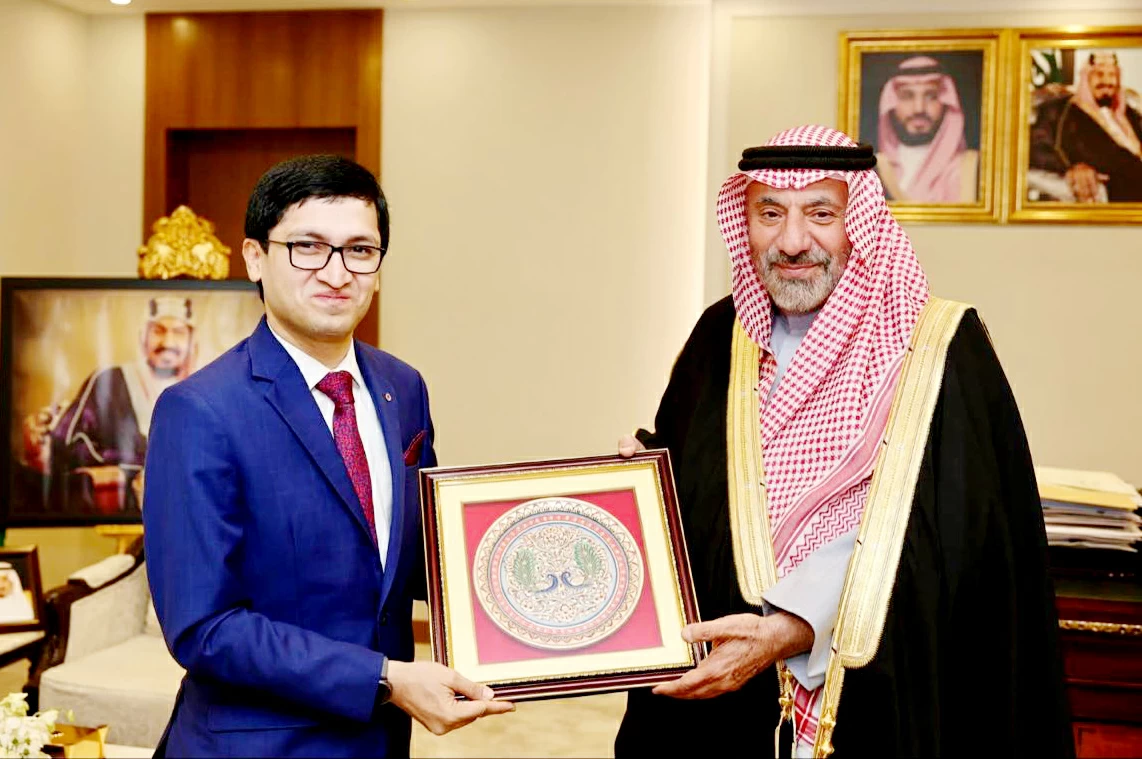
Over the past year, the Consulate has sought to enhance the closeness between our two peoples through cultural festivals, Indian arts and music, yoga and wellness programs, literary and educational initiatives, films, and cuisine, in close collaboration with community institutions and local partners. We have also aimed to extend this communication beyond Jeddah by engaging with communities, universities, chambers of commerce, and local authorities across the western region of Saudi Arabia. We have given special attention to the youth through educational, cultural, and technical programs that encourage further interaction and understanding.
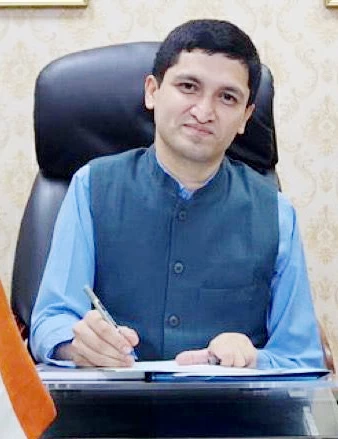
These ties are strengthened as each community grows in its knowledge of the other. Yoga, Indian cinema, music, and Indian cuisine have gained wide appreciation in the Kingdom, while the growth of travel and tourism offers new opportunities for Saudis and Indians to directly experience each other's cultures. These daily interactions give the bilateral relationship greater depth and continuity. As the Consul General, I see this human connection as one of the enduring strengths of the partnership between India and Saudi Arabia.
As India enters its eightieth year as an independent nation, we look to the future with confidence and determination to build a prosperous, innovative, and sustainable India, while continuing its role as a reliable partner to the world.
We express our sincere gratitude to the Custodian of the Two Holy Mosques, King Salman bin Abdulaziz Al Saud; and to the Crown Prince and Prime Minister, Prince Mohammed bin Salman bin Abdulaziz Al Saud, and to the Government and people of the Kingdom for their friendship towards India, for their support of Indian pilgrims, and for the warmth and attention given to the Indian community.
On this Independence Day, I extend my warmest congratulations to all Indian citizens and friends of India in the Kingdom of Saudi Arabia.