اعتبرت صحيفة «فايننشال تايمز» أن الاتفاق الذي أعلنته الولايات المتحدة وإيران بعد أسابيع من المفاوضات يمثل «أقل الخيارات سوءاً»، لكنه لا يشكل حتى الآن تسوية دائمة للصراع الذي هز الشرق الأوسط وأربك أسواق الطاقة العالمية.
وأفادت الصحيفة بأن الاتفاق يمدد وقف إطلاق النار المعلن في 8 أبريل لمدة 60 يوماً إضافية، وهي فترة ستخصص لمعالجة الملفات الأكثر تعقيداً، وفي مقدمتها مستقبل البرنامج النووي الإيراني، مع التحذير من أن المنطقة ستظل عرضة لانتكاسات قد تعرقل المسار الدبلوماسي.
وذكرت أن وقف إطلاق النار المفترض أن يشمل جميع الجبهات يمثل ضرورة إنسانية ملحة بعد سقوط أكثر من 7 آلاف قتيل خلال الحرب، بينهم نحو 4 آلاف شخص قضوا في الضربات الإسرائيلية على لبنان، حيث تصاعدت المواجهات بين إسرائيل وحزب الله.
ورأت الصحيفة البريطانية أن الاتفاق يواجه معارضة من أطراف متعددة، من الصقور داخل الولايات المتحدة إلى المتشددين في إيران، إضافة إلى رئيس الوزراء الإسرائيلي بنيامين نتنياهو الذي كان يفضل مواصلة العمليات العسكرية.
وأكدت أن إنهاء الحرب يصب في مصلحة الطرفين، فإيران تعرضت لخسائر كبيرة وتواجه اليوم تحديات اقتصادية متفاقمة تشمل التضخم المتسارع واحتمالات تصاعد السخط الشعبي، ما يفرض عليها الانخراط بجدية في مفاوضات تفضي إلى تسوية نهائية.
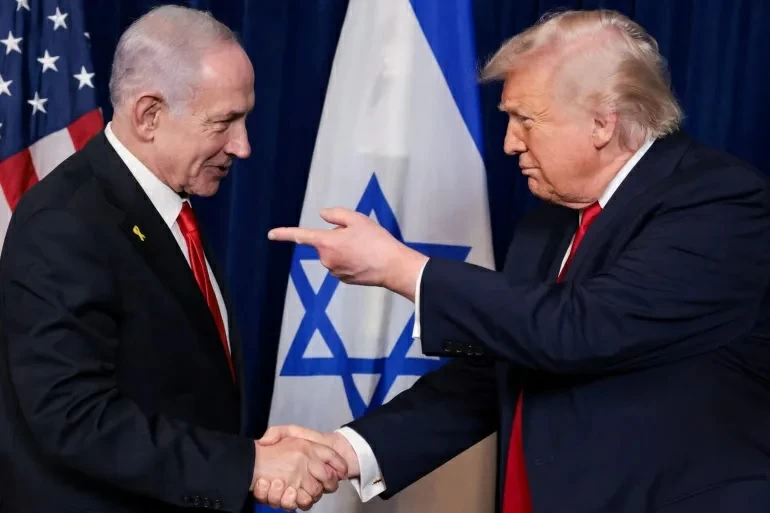
وتشدد فايننشال تايمز على أن نجاح الاتفاق يتوقف إلى حد كبير على قدرة ترمب على كبح جماح نتنياهو، مشيرة إلى أن ضربة إسرائيلية استهدفت بيروت كادت تطيح بالتفاهم قبل توقيعه بأيام ما دفع الرئيس الأمريكي إلى توجيه انتقاد علني لرئيس الوزراء الإسرائيلي.
وأضافت أن ترمب يمتلك أدوات ضغط حقيقية، لأن إسرائيل تعتمد بشكل كبير على الدعم العسكري الأمريكي، بينما يعتمد نتنياهو بدوره على الغطاء السياسي الذي توفره واشنطن.
The "Financial Times" newspaper considered that the agreement announced by the United States and Iran after weeks of negotiations represents "the least bad option," but it does not yet constitute a permanent settlement to the conflict that has shaken the Middle East and disrupted global energy markets.
The newspaper reported that the agreement extends the ceasefire declared on April 8 for an additional 60 days, a period that will be dedicated to addressing the more complex issues, foremost of which is the future of the Iranian nuclear program, while warning that the region will remain susceptible to setbacks that could hinder the diplomatic path.
It mentioned that the ceasefire, which is supposed to include all fronts, represents an urgent humanitarian necessity after more than 7,000 people have been killed during the war, including about 4,000 who died in Israeli strikes on Lebanon, where confrontations between Israel and Hezbollah have escalated.
The British newspaper viewed that the agreement faces opposition from multiple parties, from hawks within the United States to hardliners in Iran, in addition to Israeli Prime Minister Benjamin Netanyahu, who preferred to continue military operations.
It affirmed that ending the war serves the interests of both parties, as Iran has suffered significant losses and today faces escalating economic challenges, including rising inflation and the potential for increased public discontent, which compels it to engage seriously in negotiations leading to a final settlement.
The Financial Times emphasizes that the success of the agreement largely depends on Trump's ability to rein in Netanyahu, noting that an Israeli strike targeting Beirut nearly derailed the understanding just days before its signing, prompting the American president to publicly criticize the Israeli prime minister.
It added that Trump has real leverage, as Israel heavily relies on American military support, while Netanyahu, in turn, depends on the political cover provided by Washington.