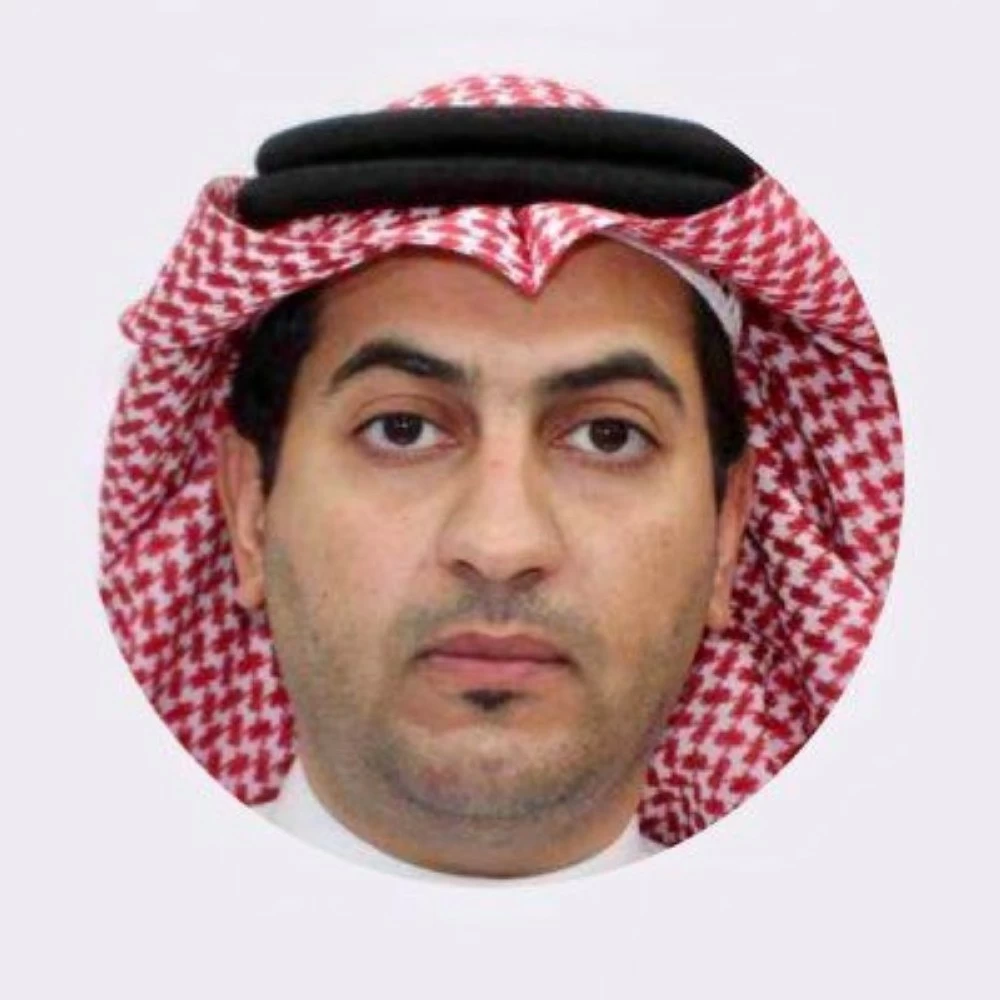
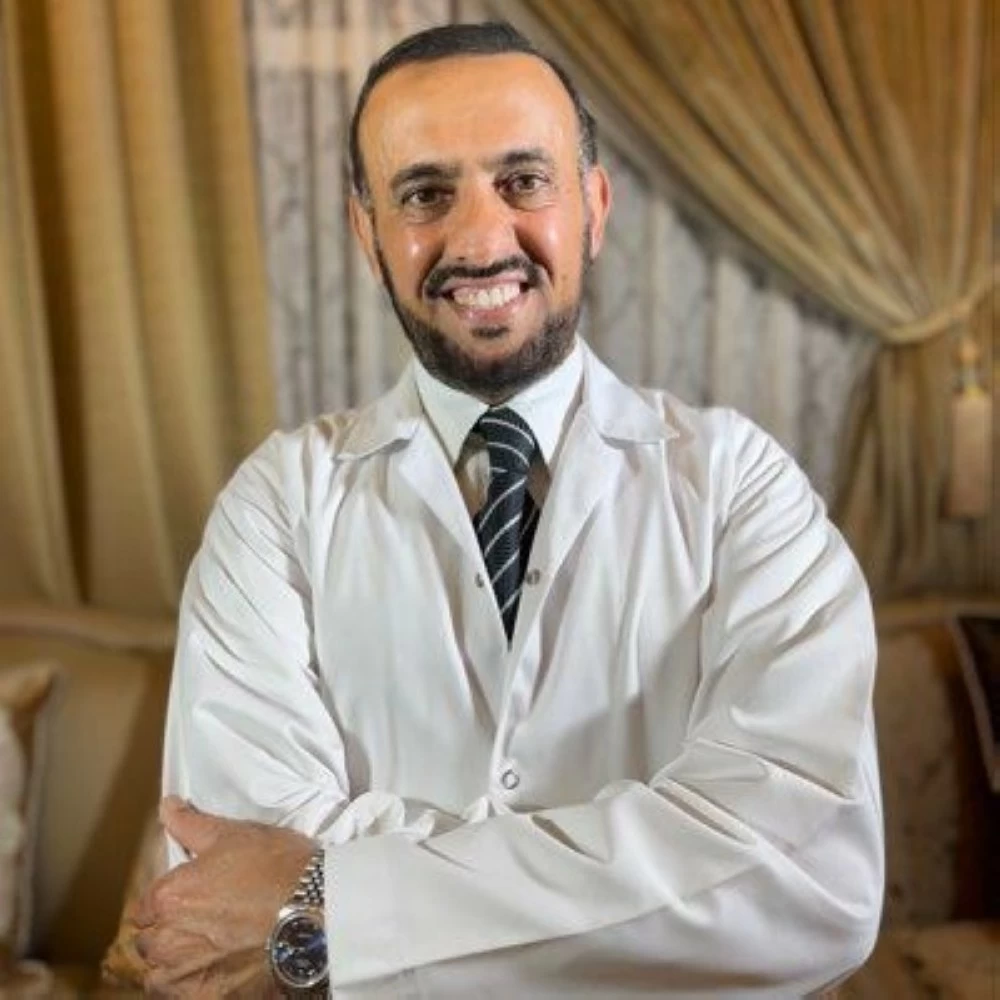
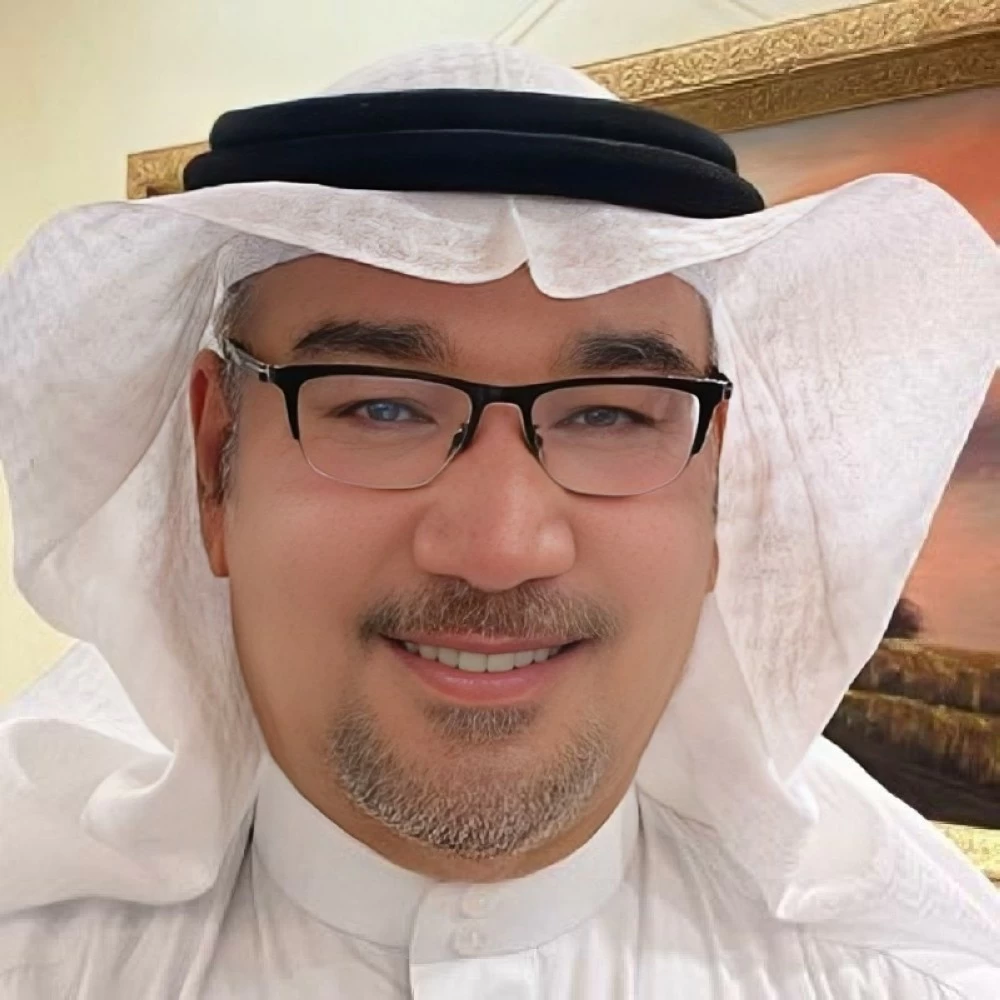
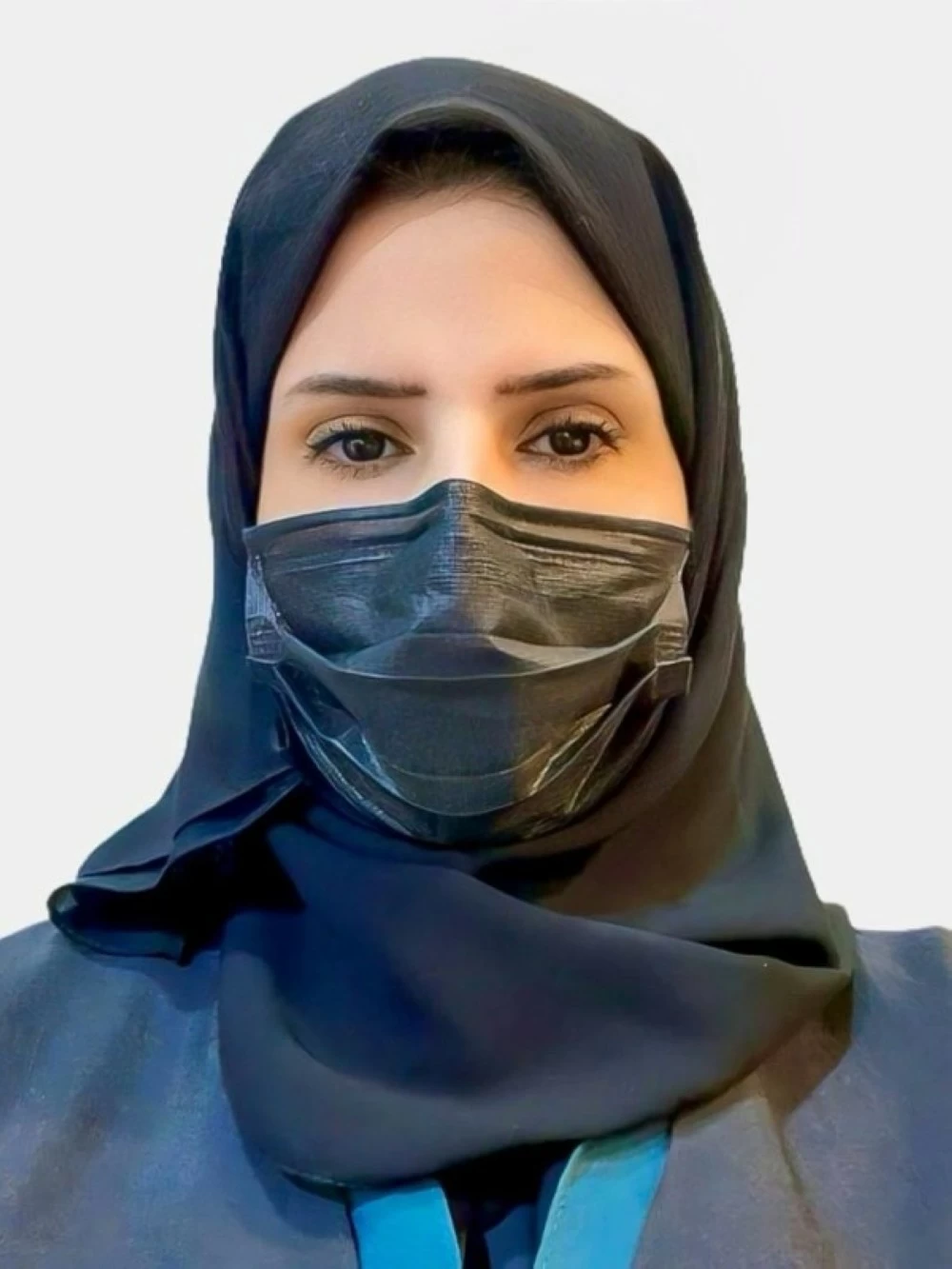
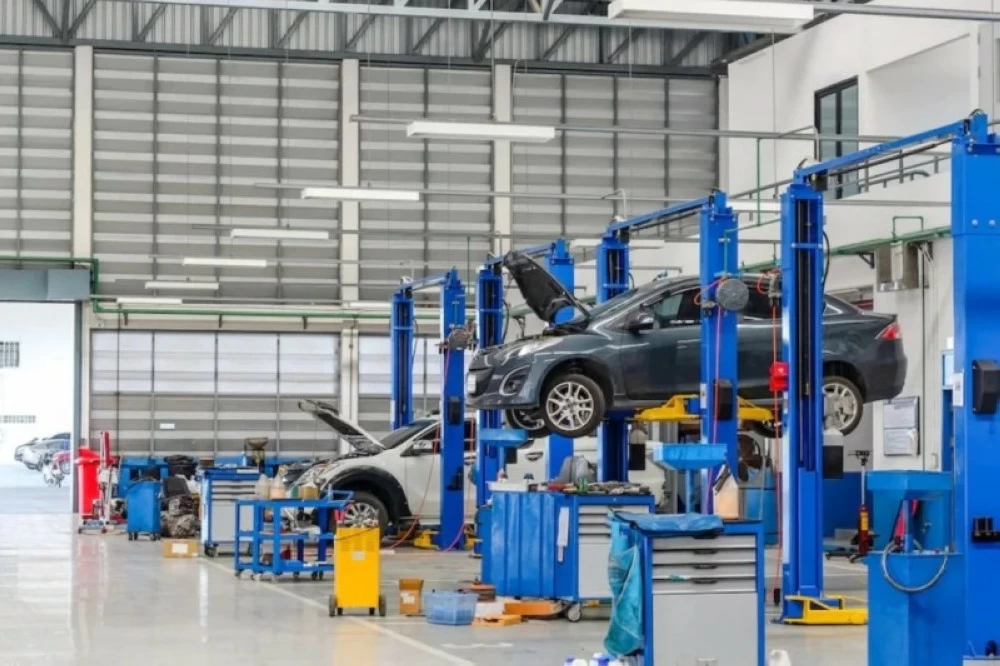
تشهد ورش السيارات المنتشرة في مواقع المدن الصناعية جدلاً متزايداً حول جودة الخدمات وارتفاع تكاليف الإصلاح، وسط هيمنة عمالة وافدة، رغم أن إحصاءات المؤسسة العامة للتدريب التقني والمهني تشير إلى أن عدد خريجي الكليات والمعاهد التقنية في 1445هـ تجاوز 92 ألف خريج وخريجة في مختلف التخصصات؛ ما يفتح الباب أمام عدم الاستفادة من هذه الطاقات الوطنية في تطوير القطاع.
هذا الواقع جعل البعض يتساءل: أين أبناؤنا من خريجي كليات التقنية؟ خصوصاً أن ورش السيارات تدرّ مكاسب مادية كبيرة، فيكفي أن تذهب بسيارتك إلى إحدى الورش وبعد نصف ساعة تتسلمها مقابل مئات الريالات لعامل الورشة الوافد.
وهكذا هو الحال في ورش السيارات؛ ساعات قليلة مقابل أموال كثيرة، ما حدا بالبعض للمطالبة بشدة ألّا تكتفي الكليات ومعاهد التقنية بالتدريب والتخريج، بل بالتوظيف وإتاحة الفرص في ورش المناطق الصناعية وتوطينها.
ممارسة المهنة
أوضح عبدالمحسن العتيبي (خريج كلية تقنية قسم الميكانيكا)، أنه منذ تخرجه لم يجد مؤسسة ميكانيكية يمارس مهنته فيها. وأشار سلطان الزهراني (خريج قسم كهرباء) إلى أن «الورش الكبيرة وأقسام الكهرباء فيها تفضل العامل الوافد، رغم إتقاني العمل عبر تدريب مكثف استمر عامين، وفصل دراسي للتطبيق العملي».
وذكر فيصل الشهري، وعبدالرحمن العتيبي، أنهما -كخريجين- لديهما كفاءات عالية في سرعة كشف الأعطال وإصلاحها وبأسعار مناسبة.
من جهتهم، كشف مواطنون أنهم ذهبوا ضحية عمالة تتعلم الإصلاحات.
وقال نواف الروقي: «تعرّضت سيارتي لعطل مفاجئ وعند ذهابي لإحدى الورش وجدت (أيوب - باكستاني الجنسية)، وبعد الكشف أبلغني أن العطل يكمن في ضرورة تغيير (طرمبة البنزين)، وقام على الفور بتغييرها بمبلغ نحو ٤٠٠ ريال، مع كلفة الميكانيكي، ليتضح لاحقاً أن (الطرمبة) لم يكن يوجد بها خلل، وبعد المرور على عدد من الورش اتضح أن المشكلة في أحد الحسّاسات الذي لم يكلف سوى ٥٠ ريالاً».
وتساءل فارس سلطان عن عدم وجود سعوديين في هذه الورش، بينما قال محمد الزهراني: «مهنة الميكانيكا أو الكهرباء تدرّ أرباحاً هائلة لا تقل عن ١٠٠٠ ريال كدخل يومي».
وأشار محمد خان -من باكستان- إلى أنه اكتسب (الصنعة) من عمه في إحدى الورش، وقال إن عمه في الموقع منذ ٢٠ سنة. وأضاف الهندي سلطان (كهربائي): «كثير من الأعطال يتم التعرّف عليها بالممارسة، وأنا الآن من كبار الكهربائيين».
ارتفاع التكاليف
الدكتور عبدالعزيز العثمان عبر حسابه في (X)، شرح موقفاً يكشف التلاعب بالأسعار في إحدى الورش، وقال: «أخذت سيارتي للورشة لإصلاح عطل، وبعد الفحص ذكر لي عامل الورشة (من جنسية عربية) أن تكلفة الإصلاح 2500 ريال مع احتمال تبديل القطعة بمبلغ 12 ألف ريال».
وأشار العثمان إلى أنه نقل مركبته بـ(السطحة) إلى خارج الرياض نحو ورشة صاحبها سعودي، وقام بإصلاحها بمبلغ 150 ريالاً فقط، «هذا الأمر تكرر أيضاً مع سيارة العائلة». متسائلاً: «من يضبط ذلك التلاعب والخداع؟»، ومقترحاً وجود مرجع لتقدير إصلاح الميكانيكا والكهرباء كما هو الحال في السمكرة، إضافة إلى تشجيع الشباب السعوديين على تشغيل الورش وإدارتها.
نماذج سعودية
أثبتت الفتاة السعودية ريم الحسن، جدارتها في أعمال الكهرباء والبرمجيات، لتقوم بافتتاح أول ورشة متخصصة في الكهرباء والبرمجيات في تبوك (شمالي المملكة).
وفي جدة، برز اسما أنغام جداوي وعلاء فلمبان؛ وفقاً لتقارير سابقة رصدت كفاءتهما في أعمال الميكانيكا بإحدى الورش المعروفة، ما يعكس قدرتهما على كشف أعطال الميكانيكا وإصلاحها. ونجح شاب سعودي في مشروع (الورشة المتنقلة) وحصد إعجاب الكثيرين لدقة العمل في الإصلاح ومناسبة الأسعار.
وظائف نوعية
خبيرة ريادة الأعمال الدكتورة منى الزهراني، ذكرت أن «قطاع ورش السيارات رغم ربحيته العالية، ما زال يعتمد بشكل شبه كامل على العمالة الوافدة، في حين يغيب حضور الخريجين السعوديين المتخصصين». وأشارت إلى أن ذلك يعود إلى ممارسات احتكارية خلقت بيئة عمل طاردة للشباب، رغم أن تخصصاتهم التقنية تهيئهم للتميز والإبداع.
وأكدت الزهراني أن قطاع ورش السيارات ليس مجرد مهنة تقليدية، بل فرصة استثمارية قادرة على خلق وظائف نوعية وعوائد عالية، داعيةً إلى تمكين الشباب السعوديين بما يمتلكونه من علم وطموح ليكونوا رواد هذا المجال، وإعادة تشكيله من بيئة محتكرة إلى ساحة ابتكار وطنية تسهم في تحقيق مستهدفات رؤية المملكة 2030.
كشف الأعطال
ويوضح رئيس قسم الميكانيكا بالكلية التقنية بالطائف المهندس ياسر الشربي، «أن الدولة أولت اهتماماً كبيراً بتطوير قطاع التدريب التقني والمهني، وهو ما يعزز ضرورة الاستفادة من خريجي الكليات التقنية في هذه الورش، فهم يملكون تأهيلاً أكاديمياً وتدريباً عملياً يضمن جودة التشخيص والإصلاح، ويسهم في رفع مستوى الثقة بين العميل والورشة، ويحد من الهدر المالي والوقت، كما أن دعم الكفاءات الوطنية المؤهلة يسهم في تطوير قطاع الصيانة، والحد من العشوائية التي قد تؤدي إلى تكرار الأعطال وتعريض فائدة المركبة للخطر». موضحاً «إن تكرار أعطال السيارات بعد صيانتها يعود غالباً إلى غياب التشخيص الدقيق وضعف خبرة بعض العمالة في الورش، وكشف الأعطال يتطلب الاعتماد على أجهزة فحص حديثة مرتبطة ببرامج الشركات المصنعة، إضافة إلى الفحص اليدوي الميداني من قِبل فني لديه معرفة بأساسيات الميكانيكا والكهرباء».
كفاءة السعوديين
المختص في الموارد البشرية زياد السليس، قال إن ورش السيارات في المملكة تعاني من سيطرة العمالة الوافدة غير المؤهلة، وما يصاحبها من تلاعب بالأسعار والتشخيص الخاطئ واستغلال المواطنين والمواطنات. وأضاف: «آلاف الخريجين من كليات ومعاهد التقنية أثبتوا كفاءتهم في كبرى الشركات الوطنية، موضحا ان أن الحل الأمثل لمعالجة هذه الفوضى يكمن في تمكين خريجي الكليات التقنية من العمل في الورش، مستفيدين من برامج الدعم الحكومية مثل «تمهير» الذي يمنح المتدرب 3,000 ريال شهرياً خلال فترة التدريب، وبرنامج دعم التوظيف الذي يغطي حتى 30% من الأجر لمدة عامين، ما يتيح تحويل التحدي إلى فرصة وطنية من خلال توطين القطاع، وضبط الأسعار، ورفع معايير الجودة والسلامة، وحماية حقوق المستهلك، مع توفير آلاف الوظائف للشباب المؤهلين.
شراكات إستراتيجية
ويشخّص رئيس إدارة البيئة بالاتحاد العالمي الإسلامي للكشافة والشباب الدكتور فهد عبدالكريم تركستاني مشكلة عدم تواجد خريجي التقنية في هذه الورش، بقوله: من الضروري الزام الوكالات الكبرى بتوظيف خريجي التقنية كشرط لتجديد تراخيصها، وعقد اتفاقيات بين الوكالات والورش لتدريب وتأهيل الشباب السعوديين، وشهادات اعتماد بإنشاء برنامج (الورشة المعتمدة) بإدارة سعوديين مؤهلين، ما يجعل العملاء يثقون بها أكثر من الورش غير المنظمة.
رئيس إدارة البيئة بالاتحاد العالمي الإسلامي للكشافة والشباب الدكتور فهد عبدالكريم تركستاني، يشير إلى أن العزوف عن العمل في ورش السيارات ليس نتيجة ضعف الكفاءة لدى خريجي التقنية، بل نتيجة تداخل عوامل اجتماعية واقتصادية وتشريعية، والحل يكمن في حزمة إصلاحية متكاملة تعيد الاعتبار لهذه المهن، وتفتح للشباب السعوديين آفاقاً مهنية واعدة تسهم في تحقيق مستهدفات سوق العمل ورؤية المملكة 2030.
تخصصات حديثة
الدكتور فهد تركستاني، ألمح في حديثه لـ«عكاظ» إلى: أن على المؤسسة العامة للتدريب التقني والمهني، دوراً مهماً في تطوير المناهج بإضافة تخصصات حديثة مثل السيارات الكهربائية والهجينة، وأنظمة الحساسات، والبرمجة الإلكترونية للسيارات، وتدريب الطلاب على أجهزة ومعدات حديثة مشابهة لتلك في وكالات السيارات، والتدريب الميداني الإلزامي؛ جعل 30-40% من البرنامج التدريبي في ورش معتمدة بالتعاون مع القطاع الخاص، مع مكافآت إضافية للطلاب أثناء التدريب العملي لتحفيزهم، واعتماد برامج ريادة الأعمال بإدخال مادة «إدارة الورش الصغيرة» ضمن المناهج، وربط الخريج مباشرة ببنك التنمية الاجتماعية لتمويل ورشة خاصة به بعد التخرج، بعدها يأتي دور المجتمع والإعلام في رفع صورة المهنة اجتماعياً عبر حملات إعلامية تُبرز قصص نجاح شباب سعوديين فتحوا ورش سيارات ناجحة.
تساؤلات حول عزوف الشباب
رئيس إدارة البيئة بالاتحاد العالمي الإسلامي للكشافة والشباب الدكتور فهد تركستاني، شدد على ضرورة معالجة ضعف حضور خريجي الكليات التقنية المتخصصين في ميكانيكا السيارات والكهرباء والسمكرة في ورش السيارات مقارنة بسيطرة العمالة الوافدة التي تتحكم بالأسعار وبتقديم الخدمات، ما يثير تساؤلات حول أسباب عزوف الشباب السعودي عن هذه المهن الحيوية والتي يراها من وجهة نظره تطلع بعض الشباب لوظائف مكتبية هرباً من نظرة البعض للعاملين في ورش السيارات بسبب الزيوت والشحوم والانشغال الدائم في الورشة وعدم وجود الوقت للجلوس مع الأسرة والزيارات والواجبات الاجتماعية.
وتمنى تركستاني معالجة عزوف الشباب السعوديين عن مهن ورش السيارات، من خلال التوطين التدريجي المدروس، بفرض نسب توطين سنوياً، وإلزام الورش الكبيرة بوجود مشرف أو مدير فني سعودي مؤهل، إلى جانب نظام تصنيف مهني باعتماد شهادة (فني سيارات) من المؤسسة العامة للتدريب التقني شرطاً للعمل في المهنة، واعتماد حوافز مالية، ودعم رواتب السعوديين العاملين في الورش (من خلال برنامج دعم التوظيف)، وإعفاءات ضريبية وزكوية للشباب الذين يفتحون ورشاً خاصة.
The automotive workshops spread across industrial city locations are witnessing increasing debate over service quality and rising repair costs, amid the dominance of foreign labor. This is despite statistics from the Technical and Vocational Training Corporation indicating that the number of graduates from technical colleges and institutes in 1445 AH exceeded 92,000 graduates in various specialties, opening the door to the underutilization of these national talents in developing the sector.
This reality has led some to question: Where are our children, the graduates of technical colleges? Especially since automotive workshops yield significant financial gains; it is enough to take your car to one of the workshops and, after half an hour, receive it back for hundreds of riyals to a foreign workshop worker.
Thus is the case in automotive workshops; a few hours for a lot of money, prompting some to strongly demand that colleges and technical institutes not only focus on training and graduating but also on employment and providing opportunities in industrial area workshops and localizing them.
Practicing the Profession
Abdul Mohsen Al-Otaibi (a graduate of the Technical College, Mechanical Department) explained that since his graduation, he has not found a mechanical institution to practice his profession in. Sultan Al-Zahrani (a graduate of the Electrical Department) pointed out that "large workshops and their electrical departments prefer foreign workers, despite my proficiency in the work through intensive training that lasted two years and a semester for practical application."
Faisal Al-Shehri and Abdul Rahman Al-Otaibi mentioned that as graduates, they possess high competencies in quickly diagnosing and repairing faults at reasonable prices.
For their part, citizens revealed that they have fallen victim to workers who are still learning repairs.
Nawaf Al-Rouqi said: "My car experienced a sudden malfunction, and when I went to one of the workshops, I found (Ayoub - of Pakistani nationality), and after inspection, he informed me that the fault lay in the need to replace the (fuel pump), and he immediately replaced it for about 400 riyals, along with the mechanic's cost. It later became clear that the (pump) had no defect, and after visiting several workshops, it turned out that the problem was with one of the sensors, which only cost 50 riyals."
Faris Sultan questioned the absence of Saudis in these workshops, while Mohammed Al-Zahrani said: "The profession of mechanics or electricity generates huge profits, not less than 1,000 riyals as daily income."
Mohammed Khan - from Pakistan - indicated that he learned the trade from his uncle in one of the workshops, stating that his uncle has been on-site for 20 years. Indian Sultan (an electrician) added: "Many faults are identified through practice, and I am now one of the top electricians."
Rising Costs
Dr. Abdulaziz Al-Othman, through his account on (X), explained a situation that reveals price manipulation in one of the workshops, saying: "I took my car to the workshop for repair, and after inspection, the workshop worker (of Arab nationality) told me that the repair cost was 2,500 riyals, with a possibility of replacing the part for 12,000 riyals."
Al-Othman noted that he transported his vehicle by tow truck to a workshop owned by a Saudi outside Riyadh, where it was repaired for only 150 riyals, "this also happened with the family car." He questioned: "Who regulates this manipulation and deception?" suggesting the establishment of a reference for estimating mechanical and electrical repairs, as is the case in bodywork, in addition to encouraging young Saudis to operate and manage workshops.
Saudi Models
Saudi girl Reem Al-Hassan proved her competence in electrical and software work, opening the first specialized workshop in electricity and software in Tabuk (northern Saudi Arabia).
In Jeddah, the names Angham Jeddawi and Alaa Filmaban emerged; according to previous reports that monitored their competencies in mechanical work at one of the well-known workshops, reflecting their ability to diagnose and repair mechanical faults. A young Saudi succeeded in the (mobile workshop) project and garnered admiration from many for the precision of repair work and reasonable prices.
Quality Jobs
Entrepreneurship expert Dr. Mona Al-Zahrani mentioned that "the automotive workshop sector, despite its high profitability, still relies almost entirely on foreign labor, while the presence of specialized Saudi graduates is absent." She pointed out that this is due to monopolistic practices that have created a work environment that repels youth, even though their technical specialties prepare them for excellence and creativity.
Al-Zahrani emphasized that the automotive workshop sector is not just a traditional profession but an investment opportunity capable of creating quality jobs and high returns, calling for empowering young Saudis with the knowledge and ambition they possess to become pioneers in this field and reshape it from a monopolized environment to a national innovation arena that contributes to achieving the objectives of Saudi Vision 2030.
Fault Diagnosis
Engineer Yasser Al-Sharbi, head of the Mechanical Department at the Technical College in Taif, clarified, "The state has given great attention to developing the technical and vocational training sector, which reinforces the necessity of benefiting from the graduates of technical colleges in these workshops, as they possess academic qualifications and practical training that ensure quality diagnosis and repair, contributing to raising the level of trust between the client and the workshop, and reducing financial and time waste. Supporting qualified national competencies also contributes to developing the maintenance sector and limiting the randomness that may lead to repeated faults and endanger the vehicle's benefit." He explained, "The recurrence of car faults after maintenance is often due to the absence of accurate diagnosis and the weak experience of some workers in the workshops, and diagnosing faults requires reliance on modern diagnostic devices linked to manufacturers' programs, in addition to manual field inspection by a technician knowledgeable in the fundamentals of mechanics and electricity."
Efficiency of Saudis
Human resources specialist Ziad Al-Salees stated that automotive workshops in the Kingdom suffer from the dominance of unqualified foreign labor, accompanied by price manipulation, incorrect diagnosis, and exploitation of citizens. He added: "Thousands of graduates from technical colleges and institutes have proven their competence in major national companies, clarifying that the optimal solution to address this chaos lies in enabling graduates of technical colleges to work in workshops, benefiting from government support programs like "Tamheer," which grants the trainee 3,000 riyals monthly during the training period, and the employment support program that covers up to 30% of the salary for two years, allowing the transformation of the challenge into a national opportunity through localizing the sector, regulating prices, raising quality and safety standards, and protecting consumer rights, while providing thousands of jobs for qualified youth.
Strategic Partnerships
Dr. Fahd Abdulkarim Turkistani, head of the Environment Department at the World Islamic Scout Federation, diagnosed the problem of the absence of technical graduates in these workshops, stating: It is essential to obligate major agencies to employ technical graduates as a condition for renewing their licenses, and to establish agreements between agencies and workshops to train and qualify young Saudis, along with accreditation certificates for establishing a (certified workshop) program managed by qualified Saudis, making clients trust it more than unregulated workshops.
Dr. Fahd Abdulkarim Turkistani points out that the reluctance to work in automotive workshops is not due to a lack of competence among technical graduates, but rather a result of overlapping social, economic, and legislative factors. The solution lies in a comprehensive reform package that restores respect for these professions and opens promising career horizons for young Saudis, contributing to achieving the labor market objectives and the goals of Saudi Vision 2030.
Modern Specialties
Dr. Fahd Turkistani hinted in his talk to "Okaz" that the Technical and Vocational Training Corporation has an important role in developing curricula by adding modern specialties such as electric and hybrid cars, sensor systems, and electronic programming for cars, training students on modern devices and equipment similar to those in car agencies, and mandatory field training; making 30-40% of the training program in accredited workshops in collaboration with the private sector, with additional rewards for students during practical training to motivate them, and adopting entrepreneurship programs by introducing the subject "Management of Small Workshops" into the curricula, and linking graduates directly to the Social Development Bank to finance their own workshop after graduation. After that, the role of the community and media comes in enhancing the social image of the profession through media campaigns that highlight the success stories of young Saudis who opened successful automotive workshops.
Questions About Youth Reluctance
Dr. Fahd Turkistani emphasized the need to address the weak presence of specialized graduates from technical colleges in automotive mechanics, electricity, and bodywork workshops compared to the dominance of foreign labor that controls prices and services, raising questions about the reasons for the reluctance of Saudi youth towards these vital professions, which he sees as some young people's aspiration for office jobs as an escape from the perception of some regarding workers in automotive workshops due to oils and greases, constant engagement in the workshop, and the lack of time to sit with family and attend social visits and obligations.
Turkistani hoped to address the reluctance of Saudi youth towards automotive workshop professions through gradual, studied localization, imposing annual localization rates, and obligating large workshops to have a qualified Saudi supervisor or technical manager, alongside a professional classification system that requires a (Car Technician) certificate from the Technical and Vocational Training Corporation as a condition for working in the profession, adopting financial incentives, and supporting the salaries of Saudis working in workshops (through the employment support program), and tax and zakat exemptions for youth who open their own workshops.