احتفل العالم، في وقت سابق، بالدور المحوري الذي تؤديه القابلات ضمن منظومة الرعاية الصحية الأولية تحت شعار (القابلات دور حاسم في كل أزمة) وهن اللواتي يباشرن التوعية الصحية للأم الحامل في مراحل الحمل كافة.
ولا يزال الكثير يعرف ما تقوم به «الداية» أو القابلة من خلال المشاهد التلفزيونية والتمثيلية في الصورة النمطية لامرأة حامل تصرخ وجوارها امرأة كبيرة في السن تحاول تهدئتها وتسأل عن الماء الحار.. تغيرت الصورة النمطية الآن بعد تقدم طب الأمومة والنساء والولادة فـ«القابلة»، أو «الداية» أو «المولّدة» -وبحسب توصيف وزارة الصحة- هي ممارسة صحية مؤهلة علمياً، ومرخصة لتقديم الرعاية الصحية الأساسية للنساء من سن البلوغ حتى سن اليأس، شاملة فترة الحمل منخفض الخطورة والولادة والنفاس، ومساعدة الأم في الرضاعة الطبيعية، ورعاية المواليد حديثي الولادة إلى سن ثمانية أسابيع.
وسعت وزارة الصحة في إنشاء إدارة خاصة لهن «إدارة القبالة»؛ بهدف تنظيم المهنة وتطوير أداء القابلات وتدريبهن وتقديم الدعم اللازم لهن.
وتشير بيانات وزارة الصحة إلى أن عدد الولادات في المملكة تقارب 600 ألف سنوياً، وأن عدد القابلات يجب ألا يقل عن قابلة لكل 30 والدة؛ أي أنه يفترض وجود ما يقارب 200 ألف قابلة، بينما الموجود الفعلي حسب عدد المصنفات من الهيئة السعودية للتخصصات الصحية في حدود ثمانية آلاف قابلة؛ منهن 2000 قابلة سعودية، وعدد القابلات التابعات لوزارة الصحة 1769 قابلة في 2018؛ السعوديات منهن 1097 قابلة.
الولادات منخفضة الخطورة
استشاري أمراض النساء والولادة وجراحة الأورام النسائية الدكتور حمزة عجاج، يرى أن مهنة القابلات (الدايات) من أقدم المهن الصحية، وقد كنَّ لقرون حجر الزاوية في رعاية الحوامل والولادة خصوصاً في المناطق الريفية، وقال لـ«عكاظ»: مع تطور الطب الحديث وظهور تخصص النساء والولادة، تراجع دور القابلات في المدن الكبرى والمراكز الصحية المتقدمة، إلا أن وجودهن لا يزال قائماً وله أهمية في بعض السياقات، فلا يزال بعض الأطباء يستعينون بالقابلات، خصوصاً في المتابعة الأولية للحمل، ففي بعض المستشفيات أو العيادات الريفية، تشارك القابلة في المتابعة الروتينية للحمل الطبيعي، وفي الولادات الطبيعية منخفضة الخطورة يجرين الولادة تحت إشراف الطبيب أو حتى بشكل مستقل في الأماكن التي تتيح ذلك قانوناً.
«الداية» خط الدعم الأول
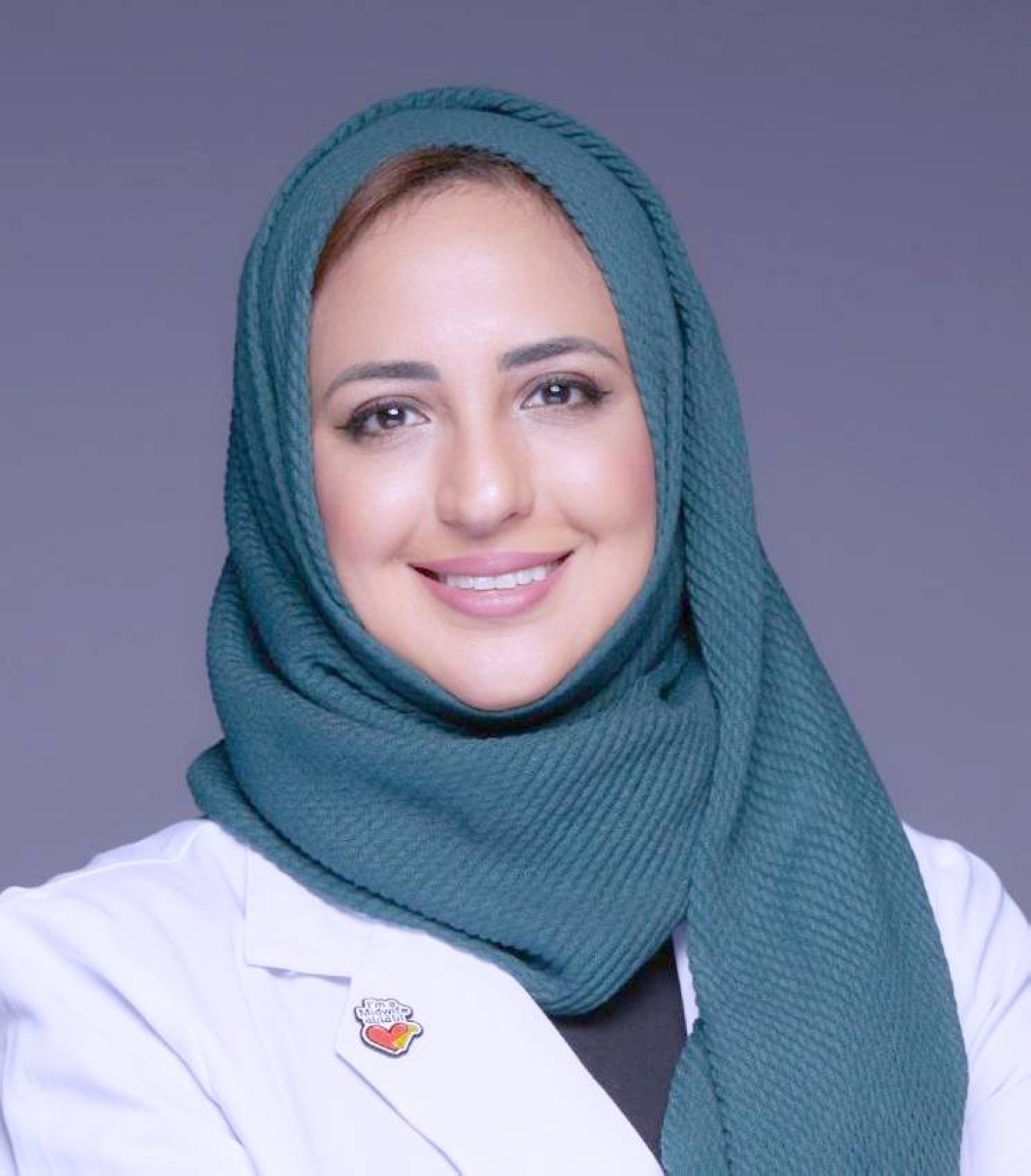
«عكاظ» فتحت ملف القابلات وواقع عملهن والتحديات المهنية التي تواجههن.. فترى استشاري القبالة رئيس الجمعية السعودية للقبالة الدكتورة رؤى الطويلي، أن القابلة تلعب دوراً محورياً في دعم صحة المرأة والطفل، ليس فقط خلال الولادة بل في جميع مراحل الحمل وما بعد الولادة، إذ يتجلى دورها في تقديم الرعاية الصحية الأولية للمرأة الحامل، ومتابعة تطور الحمل، وإجراء الفحوصات الدورية، ثم التوعية الصحية بشأن التغذية والرعاية الذاتية ودعم الصحة النفسية والعاطفية للمرأة، ومساعدة الأم في الرضاعة الطبيعية، والعناية بالمولود، واكتشاف المضاعفات في وقت مبكر، وتحويل الحالة للطبيب عند الحاجة.
وتشير رؤى الطويلي في حديثها لـ«عكاظ» إلى أن مهمات القابلة مع وجود طبيب النساء والتوليد تبدأ منذ اللحظة الأولى لتخطيط الحمل أو في بداية الحمل، وتستمر خلال فترة الحمل والولادة وما بعدها وذلك حتى في وجود طبيب النساء والتوليد، وتكون القابلة هي خط الدعم الأول، خصوصاً في الحالات منخفضة الخطورة. أما في الحالات التي تظهر فيها مضاعفات طبية، فتتدخل القابلة بالتنسيق مع الطبيب المختص.
امنحوهن صلاحيات أوسع
تؤكد الدكتورة الطويلي أنه ورغم دور القابلة المهم في منظومة الرعاية الصحية، إلا أنها لا تزال تواجه العديد من التحديات مثل نقص الوعي المجتمعي بدور القابلة وأهميته، ووجود فجوة في الدعم المؤسسي والتدريب المستمر، إلى جانب ضغوطات العمل، خصوصاً في أقسام التوليد ذات الكثافة العالية في بعض الحالات، وضعف التكامل بين الفريق الطبي والقابلة، ومن التحديات أيضاً عدم منح القابلة الصلاحيات الكاملة لمباشرة مهماتها، والمطلوب هنا تعزيز مكانة القابلات كمقدمات رعاية صحية أولية، وتطوير برامج التدريب والتعليم المستمر، ومنحهن صلاحيات أوسع في المتابعة والتدخل، وزيادة الوعي المجتمعي بدورهن الحيوي، إلى جانب تعزيز التكامل بين القابلات وبقية الطواقم الطبية لتحسين نتائج الأمومة والطفولة، فالقابلة مؤهلة علمياً وعملياً لمباشرة عملية التوليد بشكل كامل في الحالات الطبيعية غير المعقدة، وتقديم العناية المتخصصة للأم والمولود قبل وأثناء وبعد الولادة، وفي الحالات التي تظهر فيها مضاعفات تُحوّل الحالة إلى طبيب النساء والتوليد.
وتطمح الدكتورة الطويلي إلى تعزيز وعي المجتمع بدور القابلات لأنه لا يزال في طور النمو، فالبعض يحصر دور القابلة في مهمة التوليد فقط في حين أن نطاق عملها أوسع بكثير. لذلك هناك حاجة ماسة لحملات توعية وتعليم لتوضيح أهمية القابلة، خصوصاً في المناطق الريفية والبعيدة عن الخدمات الصحية المتقدمة.
قابلات بالماجستير
وتشدد الحاصلة على «ماجستير قبالة» وضحاء المطرفي، خلال حديثها لـ«عكاظ»، على أن القابلة ممارسة صحية مرخصة ومصنّفة من الهيئة السعودية للتخصصات الصحية، ولها دور مهم وفعّال في مرحلة حمل كل امرأة، حتى أنّ دورها يتعدى ما قبل الحمل من إعداد المرأة وتثقيفها وإعطائها المعلومات الكاملة للمرحلة القادمة، ولها دور مهم في التثقيف والتعليم، ليس للمرأة فقط، بل داخل الأسرة والمجتمع وقبل الولادة.
فدور القابلة يختلف في القطاعات حسب السياسات؛ ففي القطاع الحكومي تقوم بالدعم اللازم والمشورة خلال فترة الحمل وأثناء الولادة وبعد الولادة، وتقوم بالتوليد على مسؤوليتها. أما في القطاعات الأخرى فالوضع مختلف حسب سياسات المستشفى. وتؤكد على زيادة الوعي بدور القابلة وتعزيز دورها بإنشاء أقسام دراسة القبالة في الجامعات السعودية وتخريج أول دفعة بكالوريوس على مستوى المملكة لعام 2025م، وكان لتأسيس الجمعية السعودية للقبالة أثر كبير في تنظيم العمل، وكذا وجود القابلات في منصات التواصل الاجتماعي ووصولهن إلى المجتمع والتوعية بدورهن كان له دور كبير ومهم.
لا تحصروهن في غرف الولادة
تضيف الحاصلة على ماجستير قبالة وضحاء، أنه حتى الآن لم نصل إلى الوعي الكافي في المجتمع بأهمية دور القابلة في حياة كل امرأة، فنحن بحاجة إلى مزيدٍ من التوعية في كل أطياف المجتمع من أطباء وعاملين في القطاع الصحي، وكذلك من أفراد المجتمع.
وتأمل تفعيل التشريعات والسياسات في المستشفيات وعدم حصر دور القابلة في غرف الولادة؛ ما يؤدي إلى محدودية عملها وخبرتها وإفادتها في المجتمع، فالقابلة ليست محصورة في نطاق غرف الولادة. وتماشياً مع التحول في القطاع الصحي، وتفعيل نظام الولادة الآمنة في المستشفيات وابتداءً من مراكز الرعاية الأولية، فالقابلة لها دور مهم يبدأ من المراكز الصحية، وقد تم افتتاح أول عيادات القبالة في المراكز الصحية 2025م.
رفع مستوى التقدير المجتمعي
القابلة إلهام عسيري، تؤكد من واقع تجاربها أن القابلة تلعب دوراً أساسياً ومتكاملاً في تقديم الرعاية الصحية للأم والطفل، بدءاً من فترة ما قبل الحمل حتى ما بعد الولادة، وتشمل مهماتها متابعة الحمل وتقييم صحة الأم والجنين، وتقديم التثقيف الصحي للأمهات حول الحمل والولادة، والرضاعة الطبيعية، والإشراف على الولادات الطبيعية، وتقديم الدعم الجسدي والنفسي للأم، ومتابعة صحة الأم والمولود بعد الولادة، والكشف عن أي مضاعفات، فدور القابلة يبدأ منذ بداية الحمل ويستمر خلال الولادة وما بعدها، حتى في وجود طبيب النساء والتوليد. فالعلاقة بين القابلة والطبيب علاقة تكاملية، إذ تتولى القابلة متابعة الحالات الطبيعية، بينما يتدخل الطبيب عند وجود مضاعفات أو الحاجة إلى تدخل طبي متخصص.
وتستعرض القابلة إلهام في حديثها لـ«عكاظ»، التحديات التي تواجه القابلات كنقص الكوادر في بعض المنشآت الصحية، وضغوط العمل، وساعات المناوبة الطويلة، والمأمول هنا تعزيز الاستقلالية المهنية للقابلة كمقدمة رعاية صحية، وإدراج دور القابلة بشكل أكبر في سياسات الصحة العامة، وتوفير برامج تدريب مستمرة لتطوير المهارات، ثم رفع مستوى التقدير المجتمعي والمكانة الوظيفية لمهنة القبالة.
خلط خاطئ بين القبالة والتمريض
أخصائي أول قبالة ثريا فلاتة، تأمل في تحسن الوعي بمهنة القبالة، وتضيف في حديثها لـ«عكاظ»: نعمل على تغيير المفاهيم الخاطئة عن المهنة بالتثقيف والممارسة، ونأمل كقابلات أن تعالج العديد من التحديات، منها قلّة أعداد القابلات مع الاحتياج العالي لوجودهن، نقص البرامج التدريبية والتعليمية؛ إذ تتوفر برامج قليلة في الجامعات وهذا النقص يؤدي إلى قلّة عدد القابلات المؤهلات، ومن التحديات أيضاً ضعف الدعم المؤسسي والمهني على الرغم من تأسيس الجمعية السعودية للقبالة، إلا أن الدعم المؤسسي والمهني لا يزال محدوداً، ما يؤثر على تطوير المهنة وتقديم الدعم اللازم للقابلات، إضافة لغياب وجود مستشارين أو مديرين متخصصين في القبالة ضمن الهيكل القيادي، ما أدى للخلط بين مهنة القبالة والتمريض، ولاتزال بعض الجهات الإدارية تعتبر القبالة جزءاً من التمريض.
عاملونا بصفتنا مهنيات لا مساعدات
القابلة نور الحربي تستعرض في حديثها لـ«عكاظ»، أبرز التحديات؛ منها ضغط العمل وقلّة عدد القابلات، إضافة إلى طول ساعات العمل خصوصاً في أقسام الولادة التي تعمل على مدار الساعة، والمناوبات الليلية، وأحياناً نواجه عدم تقدير كافٍ وتشكيكاً بقدرة ودور القابلة سواء من المجتمع أو حتى بعض الكوادر الطبية.
وتأمل منح القابلة المزيد من الاستقلالية المهنية، ودعماً أكبر في التدريب والتأهيل المستمر، وزيادة الوعي المجتمعي بأهمية وجود القابلات في رعاية الأمومة والطفولة، «نريد أن نُعامل بصفتنا مهنيات أساسيات ولسنا مجرد مساعدات في غرفة الولادة».
من جانبها، تأمل القابلة أنهار النخلي أن يكون لكل قابلة عيادة خاصة تستطيع من خلالها تقديم الرعاية الكاملة والشاملة لرفع مستوى الوعي بدورهن وأهميتهن في الرعاية الصحية للأم والطفل، إضافة للتطوير المهني المستمر وتحسين مهاراتهن.
وتطمح القابلة مرام اللهيبي إلى توعية المجتمع بدور القابلة التي يقع على عاتقها تقديم رعاية أفضل للأم والطفل؛ لأن الثقة من البعض تجاه دور القابلة لا تزال دون المستوى، موضحة في حديثها لـ«عكاظ» أن القابلة تتولى مباشرة الولادة الطبيعية كاملة إذا كانت الحالة سليمة وتخلو من المشكلات الصحية.
The world recently celebrated the pivotal role that midwives play within the primary healthcare system under the slogan (Midwives: A Critical Role in Every Crisis). They are the ones who provide health education to pregnant mothers at all stages of pregnancy.
Many still perceive the role of a "midwife" through television and theatrical portrayals, often depicting a pregnant woman screaming while an older woman tries to calm her down and asks for hot water. However, this stereotype has changed with advancements in maternal and women's health. According to the Ministry of Health, a "midwife" is a scientifically qualified and licensed health practitioner who provides essential healthcare to women from puberty to menopause, including low-risk pregnancy, childbirth, postpartum care, assisting mothers with breastfeeding, and caring for newborns up to eight weeks old.
The Ministry of Health has established a special department for them, the "Midwifery Department," aimed at organizing the profession, enhancing the performance of midwives, training them, and providing the necessary support.
Data from the Ministry of Health indicates that the number of births in the Kingdom is approximately 600,000 annually, and the number of midwives should not be less than one midwife for every 30 mothers, which implies the need for around 200,000 midwives. However, the actual number, according to the classifications from the Saudi Commission for Health Specialties, is around eight thousand midwives, of whom 2,000 are Saudi. The number of midwives affiliated with the Ministry of Health was 1,769 in 2018, with 1,097 of them being Saudi.
Low-Risk Births
Dr. Hamza Ajaj, a consultant in obstetrics and gynecology and gynecological oncology, believes that the profession of midwives is one of the oldest health professions, and they have been the cornerstone of care for pregnant women and childbirth, especially in rural areas. He told "Okaz": With the development of modern medicine and the emergence of the specialty of obstetrics and gynecology, the role of midwives has diminished in major cities and advanced healthcare centers. However, their presence remains significant in certain contexts, as some doctors still rely on midwives, particularly for initial pregnancy follow-ups. In some hospitals or rural clinics, midwives participate in the routine monitoring of normal pregnancies, and in low-risk natural births, they conduct deliveries under the supervision of a doctor or even independently in places where this is legally permitted.
The Midwife: The First Line of Support
"Okaz" opened a file on midwives, their working reality, and the professional challenges they face. Dr. Ruwa Al-Tuwaili, a midwifery consultant and president of the Saudi Midwifery Association, sees that the midwife plays a pivotal role in supporting the health of women and children, not only during childbirth but throughout all stages of pregnancy and postpartum. Her role is evident in providing primary healthcare to pregnant women, monitoring the progress of pregnancy, conducting regular check-ups, and providing health education regarding nutrition, self-care, and supporting the mental and emotional health of women, as well as assisting mothers with breastfeeding and caring for newborns, while detecting complications early and referring cases to doctors when necessary.
In her conversation with "Okaz," Ruwa Al-Tuwaili points out that the midwife's tasks, even in the presence of an obstetrician, begin from the very first moment of planning for pregnancy or at the beginning of pregnancy, continuing throughout the pregnancy, childbirth, and beyond. The midwife serves as the first line of support, especially in low-risk cases. In cases where medical complications arise, the midwife intervenes in coordination with the specialist doctor.
Grant Them Broader Powers
Dr. Al-Tuwaili emphasizes that despite the important role of midwives in the healthcare system, they still face many challenges, such as a lack of community awareness regarding the role and importance of midwives, gaps in institutional support and ongoing training, as well as work pressures, especially in high-density obstetric departments in some cases, and weak integration between the medical team and midwives. Another challenge is the lack of full authority granted to midwives to carry out their tasks. It is essential to enhance the status of midwives as primary healthcare providers, develop training and continuous education programs, grant them broader powers in monitoring and intervention, and increase community awareness of their vital role, alongside strengthening integration between midwives and other medical teams to improve maternal and child health outcomes. Midwives are scientifically and practically qualified to conduct childbirth fully in uncomplicated natural cases and provide specialized care for mothers and newborns before, during, and after childbirth. In cases where complications arise, the situation is referred to an obstetrician.
Dr. Al-Tuwaili aspires to enhance community awareness of the role of midwives, which is still in the growth phase. Some still limit the role of midwives to childbirth only, while their scope of work is much broader. Therefore, there is an urgent need for awareness and educational campaigns to clarify the importance of midwives, especially in rural areas and regions far from advanced healthcare services.
Midwives with Master's Degrees
Wadha Al-Mutrafi, who holds a Master's in Midwifery, emphasizes in her conversation with "Okaz" that a midwife is a licensed health practitioner classified by the Saudi Commission for Health Specialties, and she plays an important and effective role during every woman's pregnancy. Her role even extends beyond pre-pregnancy, as she prepares and educates women, providing them with complete information for the upcoming stage, and she has a crucial role in education and awareness, not just for women but within families and communities before childbirth.
The role of the midwife varies across sectors according to policies; in the public sector, she provides necessary support and counseling during pregnancy, childbirth, and postpartum, and she is responsible for conducting deliveries. In other sectors, the situation differs based on hospital policies. She emphasizes the need to raise awareness of the role of midwives and enhance their role by establishing midwifery study departments in Saudi universities, graduating the first batch of bachelor's degrees at the national level by 2025. The establishment of the Saudi Midwifery Association has had a significant impact on organizing work, and the presence of midwives on social media platforms has played a major and important role in reaching the community and raising awareness of their roles.
Do Not Limit Them to Delivery Rooms
Wadha adds that we have not yet reached sufficient awareness in society about the importance of the midwife's role in every woman's life. We need more awareness across all segments of society, including doctors, health sector workers, and community members.
She hopes for the activation of laws and policies in hospitals that do not limit the role of midwives to delivery rooms, as this leads to a limitation of their work, experience, and contributions to society. The midwife's role is not confined to delivery rooms. In line with the transformation in the healthcare sector and the activation of the safe delivery system in hospitals, starting from primary healthcare centers, midwives have an important role that begins at health centers, with the first midwifery clinics opening in health centers in 2025.
Elevating Community Appreciation
Midwife Ilham Asiri confirms from her experiences that midwives play an essential and integrated role in providing healthcare for mothers and children, starting from the pre-pregnancy period to postpartum. Their tasks include monitoring pregnancy, assessing the health of the mother and fetus, providing health education to mothers about pregnancy, childbirth, breastfeeding, supervising natural births, providing physical and psychological support to the mother, and monitoring the health of the mother and newborn after childbirth, while detecting any complications. The midwife's role begins at the start of pregnancy and continues through childbirth and beyond, even in the presence of an obstetrician. The relationship between the midwife and the doctor is complementary, as the midwife monitors normal cases while the doctor intervenes in cases of complications or when specialized medical intervention is needed.
Ilham discusses with "Okaz" the challenges faced by midwives, such as a shortage of staff in some healthcare facilities, work pressures, long shifts, and the hope here is to enhance the professional independence of midwives as primary healthcare providers, integrate the role of midwives more significantly into public health policies, provide ongoing training programs to develop skills, and elevate community appreciation and the professional status of the midwifery profession.
Incorrect Mixing of Midwifery and Nursing
Senior Midwifery Specialist Thuraya Falatah hopes for improved awareness of the midwifery profession. She adds in her conversation with "Okaz": We are working to change misconceptions about the profession through education and practice. As midwives, we hope to address many challenges, including the low number of midwives despite the high demand for their presence, the lack of training and educational programs, as there are few programs available in universities, and this shortage leads to a low number of qualified midwives. Other challenges include weak institutional and professional support, despite the establishment of the Saudi Midwifery Association; institutional and professional support remains limited, affecting the development of the profession and the necessary support for midwives, in addition to the absence of specialized consultants or managers in midwifery within the leadership structure, which has led to confusion between the midwifery profession and nursing. Some administrative entities still consider midwifery a part of nursing.
Treat Us as Professionals, Not Assistants
Midwife Noor Al-Harbi highlights in her conversation with "Okaz" the main challenges, including work pressure and the low number of midwives, in addition to long working hours, especially in delivery departments that operate around the clock, night shifts, and sometimes facing insufficient appreciation and skepticism about the capabilities and role of midwives, both from the community and even some medical staff.
She hopes to grant midwives more professional independence, greater support in training and continuous education, and increased community awareness of the importance of midwives in maternal and child care. "We want to be treated as essential professionals, not just assistants in the delivery room."
For her part, midwife Anhar Al-Nakhli hopes that every midwife will have a private clinic through which she can provide comprehensive care to raise awareness of their role and importance in maternal and child healthcare, in addition to continuous professional development and improving their skills.
Midwife Maram Al-Luhaibi aspires to educate the community about the role of midwives, as it is their responsibility to provide better care for mothers and children, because trust in the role of midwives among some remains below expectations. She clarifies in her conversation with "Okaz" that a midwife directly conducts a complete natural delivery if the case is healthy and free of health issues.