


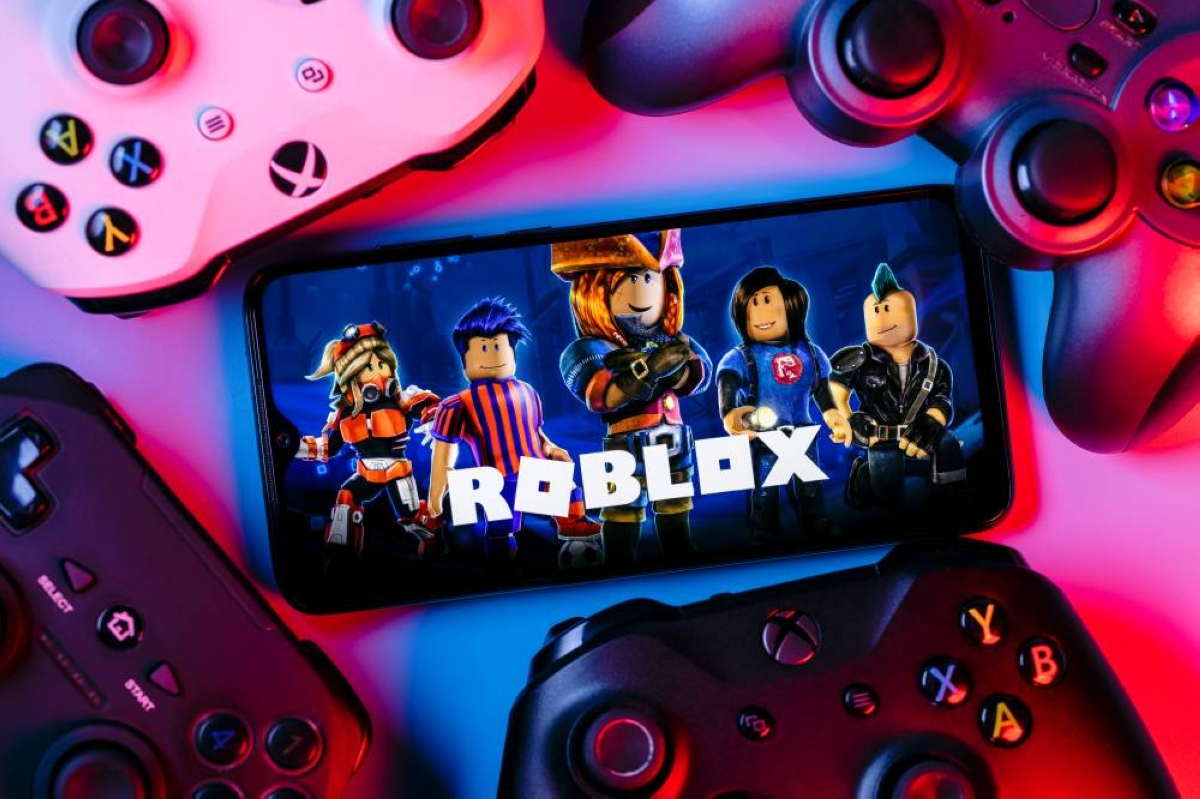

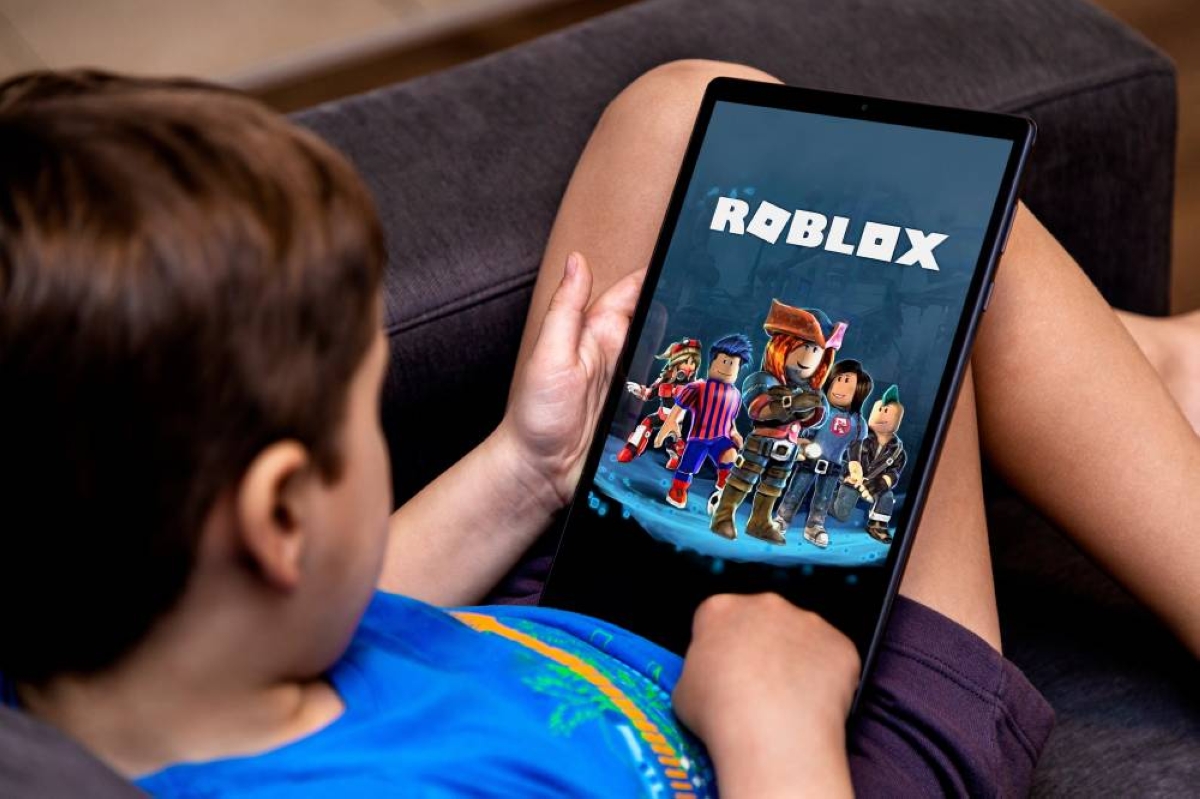
فيما ينغمس الأطفال في عوالم افتراضية تبهرهم بألوانها وألعابها، يختبئ في لعبة (Roblox) جانب مظلم يثير قلق الأهل والخبراء؛ فالمنصة التي صنعت شهرتها واستمدتها من الإبداع والتفاعل، تحوّلت في نظر البعض إلى بيئة خطرة، يستغلها الغرباء للتواصل غير الآمن مع الصغار، ما دفع دولاً عدة إلى حجبها حمايةً لأجيالها.
بروفيسور هندسة البرمجيات وكيل كلية علوم الحاسب والمعلومات بجامعة الملك سعود الدكتور فائز بن حسين القحطاني يؤكد لـ«عكاظ» أن لعبة (Roblox) تعتبر واحدة من أشهر منصات الألعاب الرقمية في العالم، إذ إنها لا تُقدَّم لعبةً واحدة فقط، بل منصة مفتوحة، تسمح للمستخدمين بإنشاء عوالم افتراضية خاصة بهم، وتصميم ألعاب متعددة الأنماط، ومشاركتها مع الآخرين. انطلقت المنصة في عام 2006م، لكنها شهدت نمواً هائلاً في السنوات الأخيرة، خصوصاً مع جائحة كورونا، إذ باتت وجهةً رئيسية للأطفال والمراهقين، لقضاء أوقاتهم والتفاعل مع الأصدقاء عبر الإنترنت.
عملات رقمية للشراء
يضيف القحطاني: «إن (Roblox) تقوم على مبدأ المحتوى، الذي يصنعه المستخدم (User Generated Content)، إذ يستطيع أي لاعب تصميم لعبته الخاصة، باستخدام محرك برمجي داخل المنصة، ما جعلها بيئة خصبة للإبداع، وتعلم مهارات البرمجة والتصميم». وشكّلت هذه الخاصية ميزة جذبت ملايين المستخدمين حول العالم إضافةً إلى ذلك، يوجد في (Roblox) نظام اقتصادي افتراضي، قائم على عملة رقمية تسمى (Roblox)، تُستخدم لشراء أدوات، ملابس، عناصر تجميلية للشخصيات، أو حتى للوصول إلى ألعاب مميزة داخل المنصة، فهذا الجانب التجاري جعل من (Roblox) بيئة تجمع بين الترفيه وريادة الأعمال الرقمية، إذ تمكّن بعض المطورين من تحقيق أرباح ضخمة بالملايين عبر بيع منتجاتهم الافتراضية داخل اللعبة، لكن هذه الشعبية الكبيرة، لا تخلو من التحديات؛ فبينما ينظر إليها البعض على أنها أداة تعليمية وترفيهية مفيدة، يرى آخرون أنها ساحة مفتوحة لمخاطر عدة تتعلق بالمحتوى غير الملائم، الاستغلال، والتنمر الإلكتروني.
ويشير القحطاني إلى أن (Roblox) شهدت في السنوات الأخيرة قرارات متباينة من دول عدة، حول حظرها أو فرض قيود عليها، وهو ما يثير تساؤلات حول أسباب ذلك.
تفاعلات غير آمنة مع غرباء
يصنِّف بروفيسور هندسة البرمجيات الأسباب في أربعة محاور رئيسية: السلامة الرقمية وحماية الأطفال، وهو السبب الأكثر شيوعاً للحظر؛ بسبب المخاوف المرتبطة باستغلال الأطفال.
ففي إحدى الدول، على سبيل المثال، صدر قرار بحظر اللعبة في أغسطس 2025م، على خلفية تقارير عن تعرض أطفال لتفاعلات غير آمنة مع غرباء. وفي تركيا، حُظرت اللعبة عام 2024م، بعد تصريحات رسمية أكدت أن محتواها يعرّض الأطفال لاحتمال الاستغلال الجنسي والابتزاز. وأنها غير ملائمة ثقافياً ودينياً. وفي الصين، أُعلن الحظر لأسباب تتعلق باحتواء بعض الألعاب على عناصر عنف، أو رموز لا تتوافق مع القيم المحلية والتقاليد، وفي دول أخرى تم حظر اللعبة بشكل مؤقت للاعتبارات نفسها، قبل أن تُرفع القيود لاحقاً بعد مراجعة المحتوى.
ومن الأسباب كذلك المخاوف القانونية والاقتصادية، ففي بلجيكا وهولندا، لم يتم حظر المنصة بشكل كامل، لكن بعض الألعاب الداخلية مثل (Adopt Me) و(Arsenal) مُنعت بسبب استخدامها لآليات صناديق الغنائم (Loot Boxes)، التي اعتُبرت شكلاً من أشكال المقامرة المحظورة على القُصّر؛ وفق التشريعات المحلية.
الرقابة الأبوية وفلاتر الدردشة
يلفت القحطاني إلى أنه رغم أن (Roblox) طورت أدوات للرقابة الأبوية وفلاتر للدردشة، إلا أن بعض المستخدمين يمكنهم التحايل على هذه الأنظمة، مما يترك الباب مفتوحاً أمام وصول الأطفال إلى محتوى غير مناسب، أو تواصلهم مع غرباء فهذا النقص في الحماية عزز من قناعة بعض الدول، بضرورة التدخل عبر الحظر أو التقييد.
ويؤكد القحطاني أن «القرارات بحظر أو تقييد (Roblox) تعكس جانباً من المسؤولية المجتمعية، لكنها لا تُلغي الدور المركزي الذي يلعبه أولياء الأمور، فالأطفال سيظلون يتعرضون للألعاب والمنصات الرقمية الأخرى، ما يستدعي استراتيجيات توعية ورقابة أسرية متوازنة».
وينبغي ألا تكون الرقابة مجرد منع أو حظر، بل متابعة واعية لما يفعله الأطفال داخل المنصة.
ويمكن للوالدين استخدام أدوات التحكم الأبوي التي توفرها (Roblox)، مثل تعطيل الدردشة مع الغرباء، أو تحديد وقت اللعب، أو مراقبة سجل المشتريات، بل وأيضاً مشاركتهم في اللعب.
ولا يخفى أن توعية الأطفال بمخاطر العالم الافتراضي ضرورة لا تقل أهمية عن الرقابة التقنية، وعلى الأهل تعليم أبنائهم قواعد أساسية؛ مثل عدم مشاركة المعلومات الشخصية، وكيفية التعامل مع محاولات التنمر أو الاستغلال، وبدلاً من التركيز على الجوانب السلبية فقط، يمكن توجيه الأطفال لاستخدام الألعاب كأداة للتعلم والإبداع؛ مثل تصميم ألعاب تعليمية أو تعلم مبادئ البرمجة، كما يمكن توفير بدائل أكثر أماناً أو منصات تعليمية رقمية.
الحظر.. ليس حلاً مثاليّاً
القحطاني دعا المعلمين إلى أداء دور مكمِّل عبر تنظيم ورش عمل للتوعية بالسلامة الرقمية، وتشجيع الطلاب على النقاش المفتوح، حول تجاربهم في الألعاب الرقمية، هذا التعاون بين البيت والمدرسة يعزّز الحماية بشكل شمولي والخلاصة: تُمثل (Roblox) نموذجاً معقداً يجمع بين الفرص التكنولوجية والإبداعية من جهة، والمخاطر الاجتماعية والأمنية من جهة أخرى؛ فهي بيئة تسمح للأطفال بالتعلم والابتكار، لكنها قد تكون في الوقت ذاته ساحة للاستغلال والمحتوى غير الملائم.
فقرارات حظرها في دول عدة، تعكس إدراكاً لهذه المخاطر، ولكن يمكن القول إن معالجة التحديات المرتبطة بمنصات الألعاب الرقمية مثل (Roblox) لا ينبغي أن تقتصر على الحظر، باعتباره حلاً وحيداً، بل إلى جانب الحظر، تبرز أهمية تطوير أطر تنظيمية وتشريعية تعزّز من الرقابة التقنية وتحمي خصوصية المستخدمين، إضافة إلى برامج توعية وتثقيف مجتمعي، تستهدف الأطفال وأولياء الأمور على حدٍّ سواء. وأخيراً، فإن تشجيع إنتاج بدائل محلية ذات بعد تعليمي وثقافي، يسهم في تحقيق التوازن بين استثمار الفرص التكنولوجية، وصون القيم المجتمعية، وبذلك يصبح التعامل مع هذه الظاهرة أقرب إلى استراتيجية متكاملة، تعزّز الاستفادة وتحد من المخاطر في آنٍ واحدٍ.
امنعوا التواصل مع الغرباء
أستاذ هندسة البرمجيات والذكاء الاصطناعي أمين المجلس العلمي بجامعة الملك عبدالعزيز الدكتور عبدالله المليص، يرى أن (Roblox) لعبة متعددة اللاعبين، الذين يقومون ببناء عوالم افتراضية، ويستعملها الملايين حول العالم الآن، لكن لها العديد من المشكلات، مثل استخدام الأطفال لها، خصوصاً عندما يتواصلون مع الغرباء، وقال لـ«عكاظ»: «هذا يؤدي الى التعامل مع بالغين غير معروفين، وقد يستغل بعضهم هذه اللعبة، في استغلال الأطفال جنسياً ومن مخاطرها (العنف) وتعويد الأطفال عليه، ما يضر بهم ضرراً نفسياً كبيراً، إضافة الى التشتت وعدم التركيز والاهتمام بما يدور حولهم في الواقع».
عطّلوا خاصية التواصل
حذّر الخبير التقني عبدالله السبع من لعبة (Roblox)، وقال لـ«عكاظ»: حوّلها بعض اللاعبين إلى مكان للتحرش، «ولهذا على الآباء والأمهات ضرورة تعطيل خاصية التواصل داخل اللعبة، أو الدردشة، بهدف حماية الأطفال من أي تواصل ضار»، ويتم ذلك عن طريق الدخول لإعدادات الحساب، مثل الدخول إلى (Settings) أو (Privacy)، ثم تفعيل خيار منع الدردشة أو تقييدها لـ(الأصدقاء فقط) أو (لا أحد). مع ضرورة تعطيل التفاعلات الصوتية أو الخاصة، وتشجيع الأطفال على الإبلاغ عن أي تصرّف مريب.
الرقابة الأسرية لا تقل أهميّة عن الحظر الحكومي
خبراء لـ«عكاظ»: «Roblox» جعلت أطفالنا في مرمى الخطر
5 سبتمبر 2025 - 00:40
|
آخر تحديث 5 سبتمبر 2025 - 00:40


تابع قناة عكاظ على الواتساب
عبدالعزيز الشهري (الرياض) abdalaziz_12345@
As children immerse themselves in virtual worlds that dazzle them with their colors and games, a dark side hides within the game (Roblox) that raises concerns among parents and experts. The platform, which gained its fame from creativity and interaction, has turned, in the eyes of some, into a dangerous environment exploited by strangers for unsafe communication with minors, prompting several countries to block it to protect their generations.
Professor of Software Engineering and Associate Dean of the College of Computer Science and Information at King Saud University, Dr. Faiz bin Hussein Al-Qahtani, confirms to "Okaz" that the game (Roblox) is considered one of the most famous digital gaming platforms in the world. It does not offer just one game, but an open platform that allows users to create their own virtual worlds, design various types of games, and share them with others. The platform launched in 2006, but it has seen tremendous growth in recent years, especially during the COVID-19 pandemic, as it became a primary destination for children and teenagers to spend their time and interact with friends online.
Digital currencies for purchases
Al-Qahtani adds: "Roblox is based on the principle of user-generated content, allowing any player to design their own game using a software engine within the platform, which has made it a fertile environment for creativity and learning programming and design skills." This feature has attracted millions of users worldwide. Additionally, there is a virtual economic system in (Roblox), based on a digital currency called (Robux), used to purchase tools, clothing, cosmetic items for characters, or even to access special games within the platform. This commercial aspect has made (Roblox) an environment that combines entertainment and digital entrepreneurship, enabling some developers to achieve massive profits in the millions by selling their virtual products within the game. However, this immense popularity is not without challenges; while some view it as a useful educational and entertainment tool, others see it as an open arena for various risks related to inappropriate content, exploitation, and cyberbullying.
Al-Qahtani points out that (Roblox) has witnessed varying decisions from several countries in recent years regarding its banning or imposing restrictions, which raises questions about the reasons behind this.
Unsafe interactions with strangers
The Professor of Software Engineering classifies the reasons into four main axes: digital safety and child protection, which is the most common reason for the ban due to concerns related to the exploitation of children.
In one country, for example, a decision was made to ban the game in August 2025, following reports of children experiencing unsafe interactions with strangers. In Turkey, the game was banned in 2024 after official statements confirmed that its content exposes children to the risk of sexual exploitation and blackmail, and that it is culturally and religiously inappropriate. In China, the ban was announced for reasons related to some games containing elements of violence or symbols that do not align with local values and traditions. In other countries, the game was temporarily banned for the same considerations, before the restrictions were lifted later after reviewing the content.
Legal and economic concerns are also among the reasons. In Belgium and the Netherlands, the platform was not completely banned, but some internal games like (Adopt Me) and (Arsenal) were prohibited due to their use of loot box mechanics, which were considered a form of gambling prohibited for minors under local legislation.
Parental controls and chat filters
Al-Qahtani highlights that although (Roblox) has developed parental control tools and chat filters, some users can circumvent these systems, leaving the door open for children to access inappropriate content or communicate with strangers. This lack of protection has reinforced the conviction of some countries about the necessity of intervention through banning or restricting.
Al-Qahtani asserts that "the decisions to ban or restrict (Roblox) reflect a facet of social responsibility, but they do not negate the central role played by parents. Children will continue to be exposed to other games and digital platforms, necessitating balanced awareness and family monitoring strategies."
Monitoring should not merely be about prohibition or banning, but rather about conscious follow-up on what children do within the platform.
Parents can use the parental control tools provided by (Roblox), such as disabling chat with strangers, setting playtime limits, or monitoring purchase history, and even participating in the gameplay with their children.
It is clear that raising children's awareness of the risks of the virtual world is as important as technical monitoring. Parents should teach their children basic rules, such as not sharing personal information and how to deal with bullying or exploitation attempts. Instead of focusing solely on the negative aspects, children can be guided to use games as tools for learning and creativity, such as designing educational games or learning programming principles. Safer alternatives or digital educational platforms can also be provided.
Banning is not an ideal solution
Al-Qahtani urged teachers to play a complementary role by organizing workshops to raise awareness about digital safety and encouraging students to engage in open discussions about their experiences with digital games. This collaboration between home and school enhances protection comprehensively. In summary, (Roblox) represents a complex model that combines technological and creative opportunities on one hand, and social and security risks on the other; it is an environment that allows children to learn and innovate, but it can also be a space for exploitation and inappropriate content.
The decisions to ban it in several countries reflect an awareness of these risks, but it can be said that addressing the challenges associated with digital gaming platforms like (Roblox) should not be limited to banning as the sole solution. Alongside banning, the importance of developing regulatory and legislative frameworks that enhance technical monitoring and protect user privacy emerges, in addition to community awareness and education programs targeting both children and parents alike. Finally, encouraging the production of local alternatives with educational and cultural dimensions contributes to achieving a balance between leveraging technological opportunities and preserving societal values, thus making the approach to this phenomenon closer to a comprehensive strategy that enhances benefits while mitigating risks simultaneously.
Prevent communication with strangers
Professor of Software Engineering and Artificial Intelligence, Secretary of the Scientific Council at King Abdulaziz University, Dr. Abdullah Al-Mulais, sees that (Roblox) is a multiplayer game where players build virtual worlds, used by millions around the world now, but it has many problems, such as children's use of it, especially when they communicate with strangers. He told "Okaz": "This leads to interactions with unknown adults, and some may exploit this game to sexually exploit children. Among its dangers are (violence) and getting children accustomed to it, which can cause them significant psychological harm, in addition to distraction and lack of focus on what is happening around them in reality."
Disable communication features
Technical expert Abdullah Al-Sab' warned about the game (Roblox), stating to "Okaz": Some players have turned it into a place for harassment. "Therefore, parents must disable the communication feature within the game or the chat, to protect children from any harmful communication." This can be done by accessing account settings, such as going to (Settings) or (Privacy), then activating the option to disable chat or restrict it to (friends only) or (no one). It is also essential to disable voice or private interactions and encourage children to report any suspicious behavior.
Professor of Software Engineering and Associate Dean of the College of Computer Science and Information at King Saud University, Dr. Faiz bin Hussein Al-Qahtani, confirms to "Okaz" that the game (Roblox) is considered one of the most famous digital gaming platforms in the world. It does not offer just one game, but an open platform that allows users to create their own virtual worlds, design various types of games, and share them with others. The platform launched in 2006, but it has seen tremendous growth in recent years, especially during the COVID-19 pandemic, as it became a primary destination for children and teenagers to spend their time and interact with friends online.
Digital currencies for purchases
Al-Qahtani adds: "Roblox is based on the principle of user-generated content, allowing any player to design their own game using a software engine within the platform, which has made it a fertile environment for creativity and learning programming and design skills." This feature has attracted millions of users worldwide. Additionally, there is a virtual economic system in (Roblox), based on a digital currency called (Robux), used to purchase tools, clothing, cosmetic items for characters, or even to access special games within the platform. This commercial aspect has made (Roblox) an environment that combines entertainment and digital entrepreneurship, enabling some developers to achieve massive profits in the millions by selling their virtual products within the game. However, this immense popularity is not without challenges; while some view it as a useful educational and entertainment tool, others see it as an open arena for various risks related to inappropriate content, exploitation, and cyberbullying.
Al-Qahtani points out that (Roblox) has witnessed varying decisions from several countries in recent years regarding its banning or imposing restrictions, which raises questions about the reasons behind this.
Unsafe interactions with strangers
The Professor of Software Engineering classifies the reasons into four main axes: digital safety and child protection, which is the most common reason for the ban due to concerns related to the exploitation of children.
In one country, for example, a decision was made to ban the game in August 2025, following reports of children experiencing unsafe interactions with strangers. In Turkey, the game was banned in 2024 after official statements confirmed that its content exposes children to the risk of sexual exploitation and blackmail, and that it is culturally and religiously inappropriate. In China, the ban was announced for reasons related to some games containing elements of violence or symbols that do not align with local values and traditions. In other countries, the game was temporarily banned for the same considerations, before the restrictions were lifted later after reviewing the content.
Legal and economic concerns are also among the reasons. In Belgium and the Netherlands, the platform was not completely banned, but some internal games like (Adopt Me) and (Arsenal) were prohibited due to their use of loot box mechanics, which were considered a form of gambling prohibited for minors under local legislation.
Parental controls and chat filters
Al-Qahtani highlights that although (Roblox) has developed parental control tools and chat filters, some users can circumvent these systems, leaving the door open for children to access inappropriate content or communicate with strangers. This lack of protection has reinforced the conviction of some countries about the necessity of intervention through banning or restricting.
Al-Qahtani asserts that "the decisions to ban or restrict (Roblox) reflect a facet of social responsibility, but they do not negate the central role played by parents. Children will continue to be exposed to other games and digital platforms, necessitating balanced awareness and family monitoring strategies."
Monitoring should not merely be about prohibition or banning, but rather about conscious follow-up on what children do within the platform.
Parents can use the parental control tools provided by (Roblox), such as disabling chat with strangers, setting playtime limits, or monitoring purchase history, and even participating in the gameplay with their children.
It is clear that raising children's awareness of the risks of the virtual world is as important as technical monitoring. Parents should teach their children basic rules, such as not sharing personal information and how to deal with bullying or exploitation attempts. Instead of focusing solely on the negative aspects, children can be guided to use games as tools for learning and creativity, such as designing educational games or learning programming principles. Safer alternatives or digital educational platforms can also be provided.
Banning is not an ideal solution
Al-Qahtani urged teachers to play a complementary role by organizing workshops to raise awareness about digital safety and encouraging students to engage in open discussions about their experiences with digital games. This collaboration between home and school enhances protection comprehensively. In summary, (Roblox) represents a complex model that combines technological and creative opportunities on one hand, and social and security risks on the other; it is an environment that allows children to learn and innovate, but it can also be a space for exploitation and inappropriate content.
The decisions to ban it in several countries reflect an awareness of these risks, but it can be said that addressing the challenges associated with digital gaming platforms like (Roblox) should not be limited to banning as the sole solution. Alongside banning, the importance of developing regulatory and legislative frameworks that enhance technical monitoring and protect user privacy emerges, in addition to community awareness and education programs targeting both children and parents alike. Finally, encouraging the production of local alternatives with educational and cultural dimensions contributes to achieving a balance between leveraging technological opportunities and preserving societal values, thus making the approach to this phenomenon closer to a comprehensive strategy that enhances benefits while mitigating risks simultaneously.
Prevent communication with strangers
Professor of Software Engineering and Artificial Intelligence, Secretary of the Scientific Council at King Abdulaziz University, Dr. Abdullah Al-Mulais, sees that (Roblox) is a multiplayer game where players build virtual worlds, used by millions around the world now, but it has many problems, such as children's use of it, especially when they communicate with strangers. He told "Okaz": "This leads to interactions with unknown adults, and some may exploit this game to sexually exploit children. Among its dangers are (violence) and getting children accustomed to it, which can cause them significant psychological harm, in addition to distraction and lack of focus on what is happening around them in reality."
Disable communication features
Technical expert Abdullah Al-Sab' warned about the game (Roblox), stating to "Okaz": Some players have turned it into a place for harassment. "Therefore, parents must disable the communication feature within the game or the chat, to protect children from any harmful communication." This can be done by accessing account settings, such as going to (Settings) or (Privacy), then activating the option to disable chat or restrict it to (friends only) or (no one). It is also essential to disable voice or private interactions and encourage children to report any suspicious behavior.