


بعد سنوات من تصدر الكولاجين لمشهد العناية بالبشرة ومكافحة علامات التقدم في العمر، يتجه الاهتمام في عالم الجمال إلى بروتين آخر لا يقل أهمية، وهو الإيلاستين، المسؤول عن مرونة الجلد وقدرته على العودة إلى شكله الطبيعي بعد التمدد أو الانضغاط.
ويعمل الإيلاستين جنباً إلى جنب مع الكولاجين، لكن لكل منهما وظيفة مختلفة؛ فالكولاجين يمنح البشرة بنيتها ودعامتها، بينما يساعد الإيلاستين على الحفاظ على مرونتها وليونتها. ومع التقدم في العمر، يتراجع إنتاج الألياف المرنة وتتأثر جودتها بفعل التعرض للأشعة فوق البنفسجية والعوامل البيئية، ما يساهم في ظهور التجاعيد والترهل وفقدان تماسك الجلد.
هذا الاهتمام المتجدد انعكس على صناعة مستحضرات التجميل، مع ظهور تركيبات تعتمد على ببتيدات الإيلاستين ومشتقاته، إلى جانب أبحاث تستكشف إمكانية تطوير تقنيات تساعد على حماية الألياف المرنة أو دعم تجددها. كما تتجه الأبحاث الحديثة إلى دراسة الإيلاستين المصنع بتقنيات حيوية، في محاولة لتجاوز صعوبة إيصال البروتين إلى طبقات الجلد العميقة.
ولا يعني ذلك أن مستحضرات الإيلاستين قادرة بالفعل على إعادة بناء مرونة البشرة؛ إذ لا تزال قدرة المنتجات الموضعية على تحفيز إنتاج ألياف إيلاستين جديدة محدودة من الناحية العلمية، كما أن عملية تكوين هذه الألياف أكثر تعقيداً من مجرد إضافة البروتين إلى كريم للعناية بالبشرة.
الإيلاستين.. البروتين الذي يعيد تسليط الضوء على مرونة البشرة
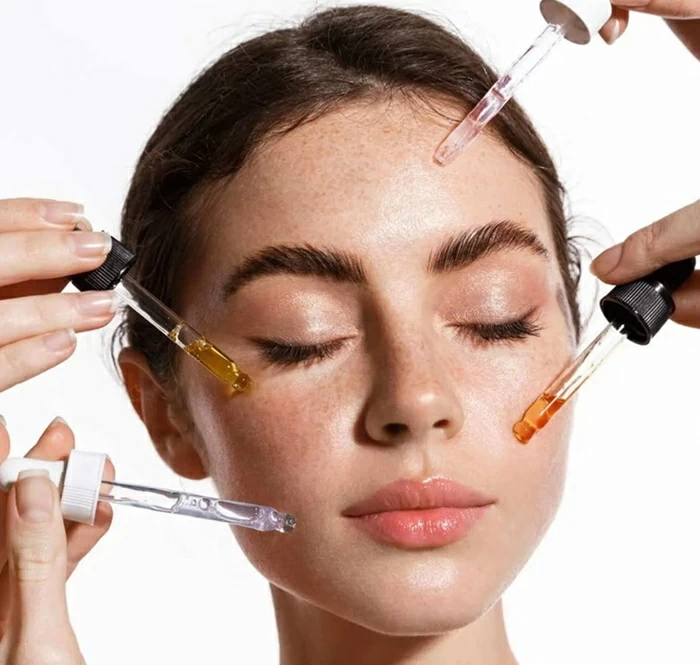


After years of collagen dominating the skincare and anti-aging scene, attention in the beauty world is shifting to another equally important protein: elastin, which is responsible for the skin's elasticity and its ability to return to its natural shape after stretching or compressing.
Elastin works alongside collagen, but each has a different function; collagen provides the skin with its structure and support, while elastin helps maintain its flexibility and softness. As we age, the production of elastic fibers declines, and their quality is affected by exposure to ultraviolet rays and environmental factors, contributing to the appearance of wrinkles, sagging, and loss of skin firmness.
This renewed interest has reflected on the cosmetics industry, with the emergence of formulations based on elastin peptides and their derivatives, alongside research exploring the possibility of developing techniques to help protect elastic fibers or support their regeneration. Recent research is also focusing on studying bioengineered elastin, in an attempt to overcome the difficulty of delivering the protein to the deeper layers of the skin.
This does not mean that elastin products are actually capable of rebuilding skin elasticity; the ability of topical products to stimulate the production of new elastin fibers remains scientifically limited, and the process of forming these fibers is more complex than simply adding the protein to a skincare cream.


