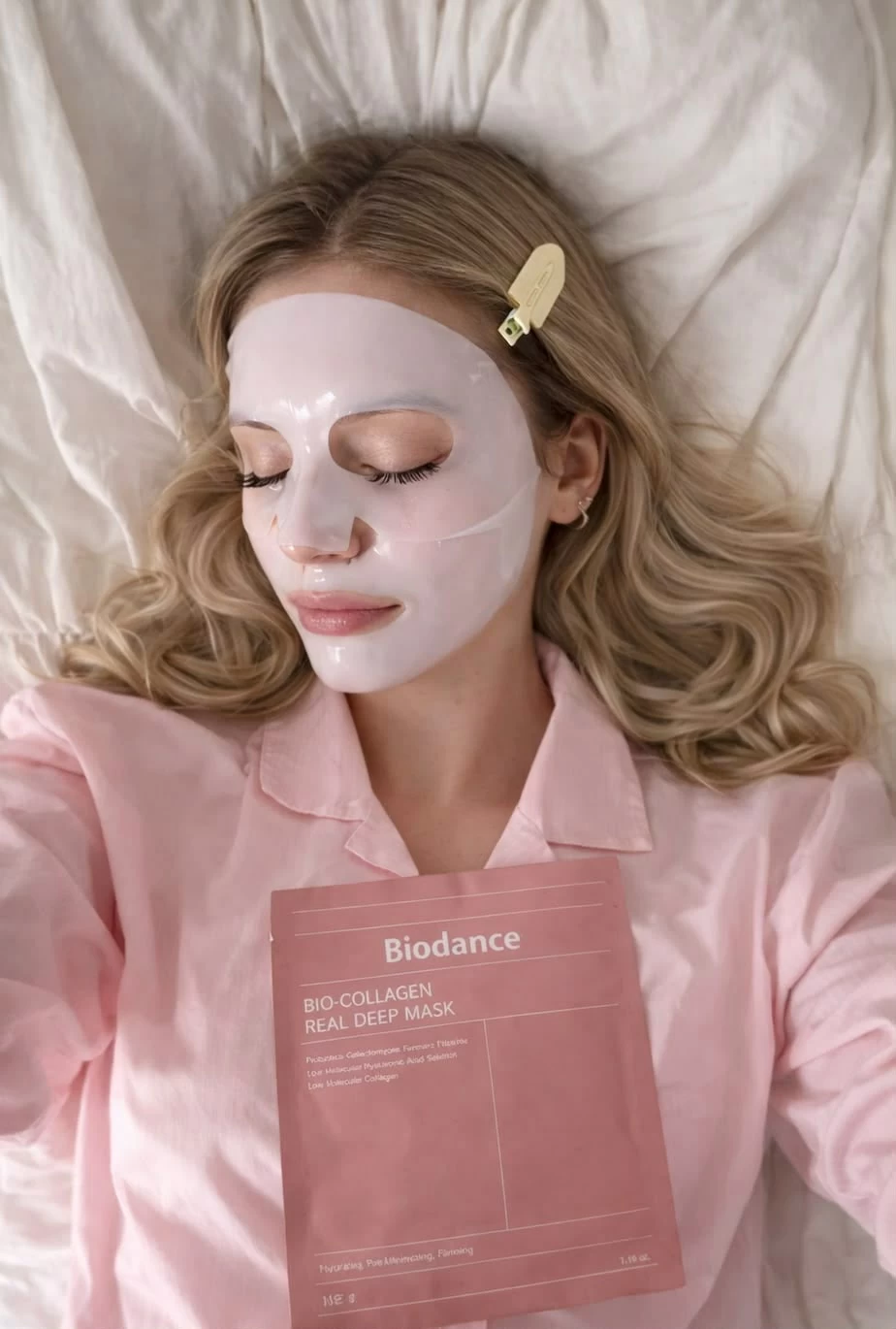
لم تعد ماسكات الوجه مجرد خطوة إضافية للترفيه والعناية، بل أصبحت وسيلة تستهدف احتياجات محددة مثل الترطيب، تهدئة البشرة، امتصاص الدهون وتحسين ملمس الجلد. ويؤكد أطباء الجلدية أن فعالية الماسك تعتمد بشكل أساسي على المكونات الموجودة فيه وعلى اختيار النوع المناسب لطبيعة البشرة، لكنه يظل إضافة إلى روتين العناية اليومي وليس بديلًا عنه.
للبشرة الجافة، تأتي الماسكات المرطبة في مقدمة الخيارات، خصوصًا تلك التي تحتوي على حمض الهيالورونيك والغليسرين والسيراميدات، وهي مكونات تساعد على جذب الرطوبة والحفاظ عليها ودعم حاجز البشرة. ويمكن أن تكون الماسكات الغنية بالشوفان الغروي خيارًا جيدًا أيضًا للبشرة التي تحتاج إلى تهدئة إضافية.
أما البشرة الدهنية والمختلطة، فتستفيد أكثر من الماسكات التي تساعد على التحكم في الزيوت وتنظيف المسام، خصوصًا التي تحتوي على الطين مثل الكاولين أو البنتونيت. كما يمكن أن تكون المكونات المقشرة مثل حمض الساليسيليك مفيدة للبشرة المعرضة لانسداد المسام، بينما تساعد مادة النياسيناميد في تقليل مظهر اللمعان ودعم توازن البشرة.
وللبشرة الباهتة أو التي تفتقر إلى الحيوية، يمكن الاتجاه إلى الماسكات التي تحتوي على مكونات مضادة للأكسدة مثل فيتامين C، إلى جانب أحماض لطيفة تساعد على التخلص من الخلايا الميتة وتحسين ملمس البشرة. أما الماسكات التي تحتوي على الببتيدات فتُستخدم عادة ضمن روتين يستهدف مظهر الخطوط الدقيقة ودعم مرونة البشرة.
وبالنسبة للبشرة الحساسة، فالأفضل اختيار تركيبات بسيطة ومهدئة والابتعاد عن العطور والزيوت العطرية والكحول القاسي والمقشرات الفيزيائية الخشنة. كما أن المكونات المقشرة القوية قد تسبب تهيجًا وجفافًا، خصوصًا عند استخدامها بشكل متكرر.
Face masks are no longer just an additional step for entertainment and care; they have become a means to target specific needs such as hydration, soothing the skin, absorbing excess oil, and improving skin texture. Dermatologists confirm that the effectiveness of a mask primarily depends on the ingredients it contains and on choosing the right type for the skin's nature, but it remains an addition to the daily care routine and not a substitute for it.
For dry skin, hydrating masks are at the forefront of options, especially those containing hyaluronic acid, glycerin, and ceramides, which are ingredients that help attract and retain moisture and support the skin barrier. Masks rich in colloidal oatmeal can also be a good choice for skin that needs additional soothing.
As for oily and combination skin, it benefits more from masks that help control oil and cleanse pores, especially those containing clay such as kaolin or bentonite. Exfoliating ingredients like salicylic acid can be beneficial for skin prone to clogged pores, while niacinamide helps reduce the appearance of shine and supports skin balance.
For dull skin or skin lacking vitality, one can opt for masks that contain antioxidant ingredients like vitamin C, along with gentle acids that help remove dead skin cells and improve skin texture. Masks that contain peptides are usually used within a routine targeting the appearance of fine lines and supporting skin elasticity.
For sensitive skin, it is best to choose simple and soothing formulations and avoid fragrances, essential oils, harsh alcohol, and rough physical exfoliants. Strong exfoliating ingredients may cause irritation and dryness, especially when used frequently.