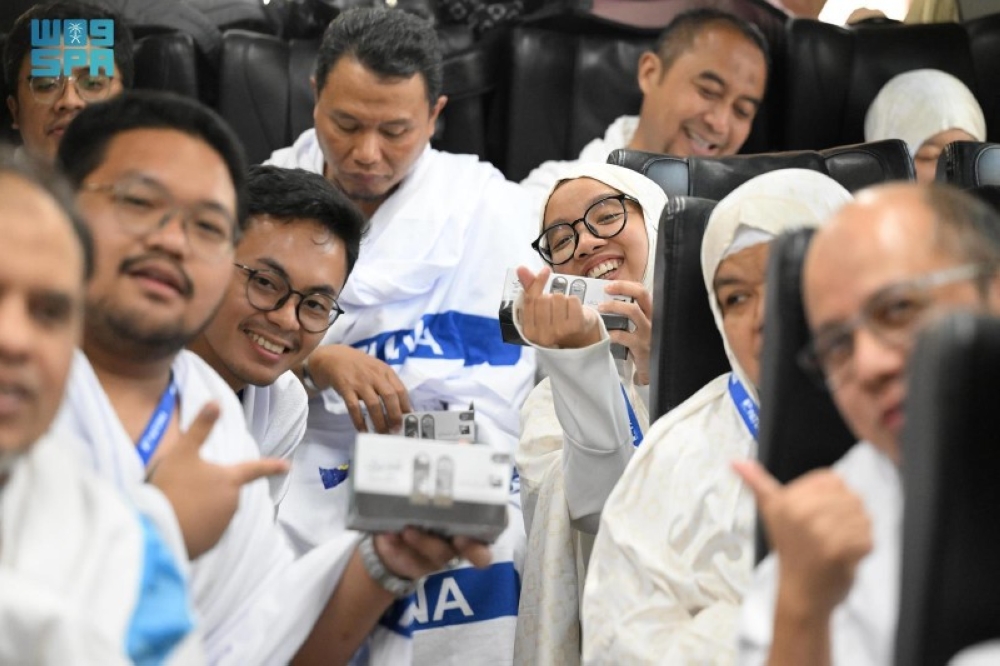
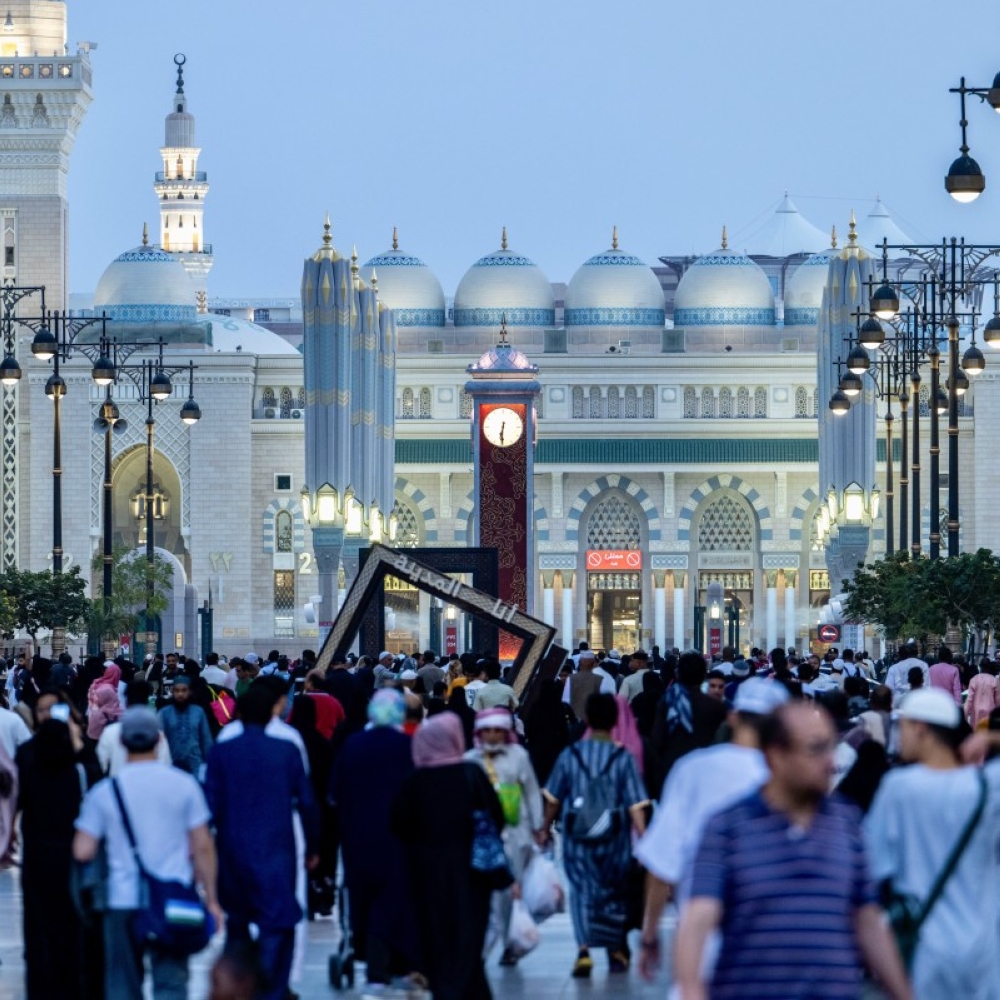
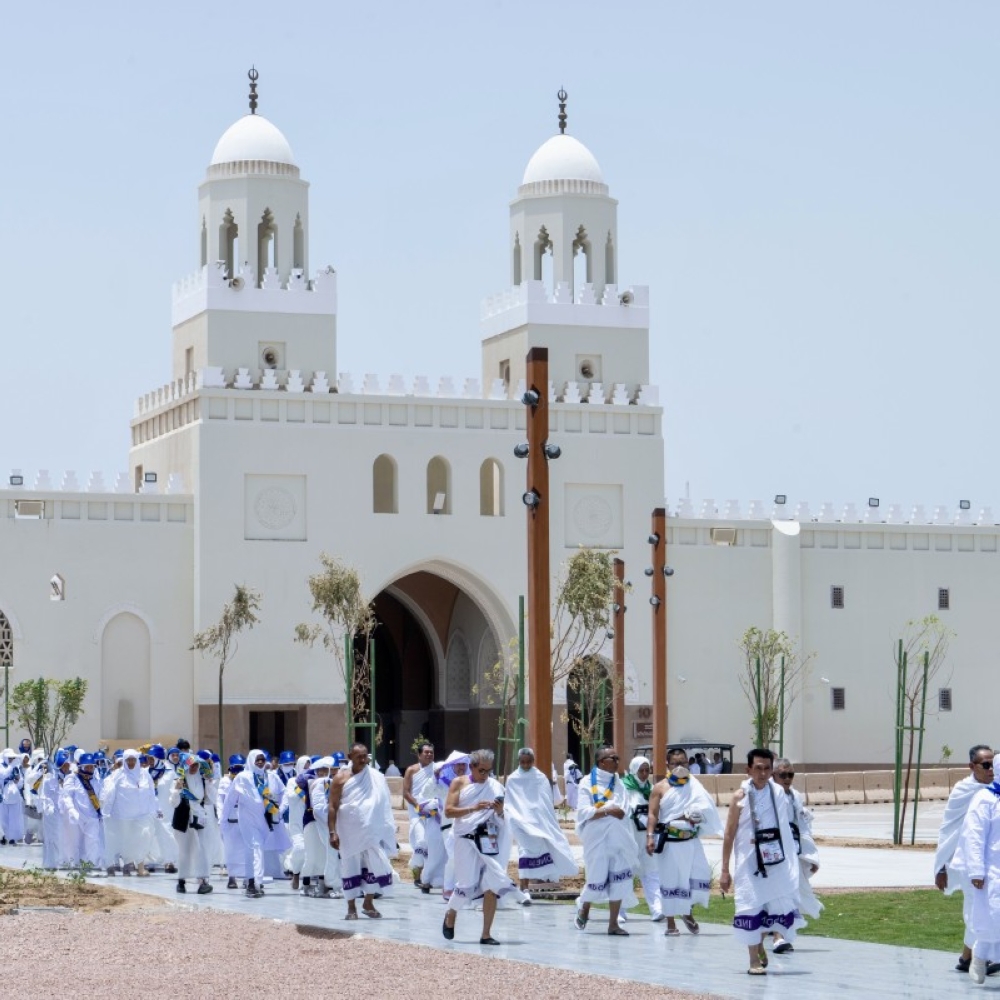
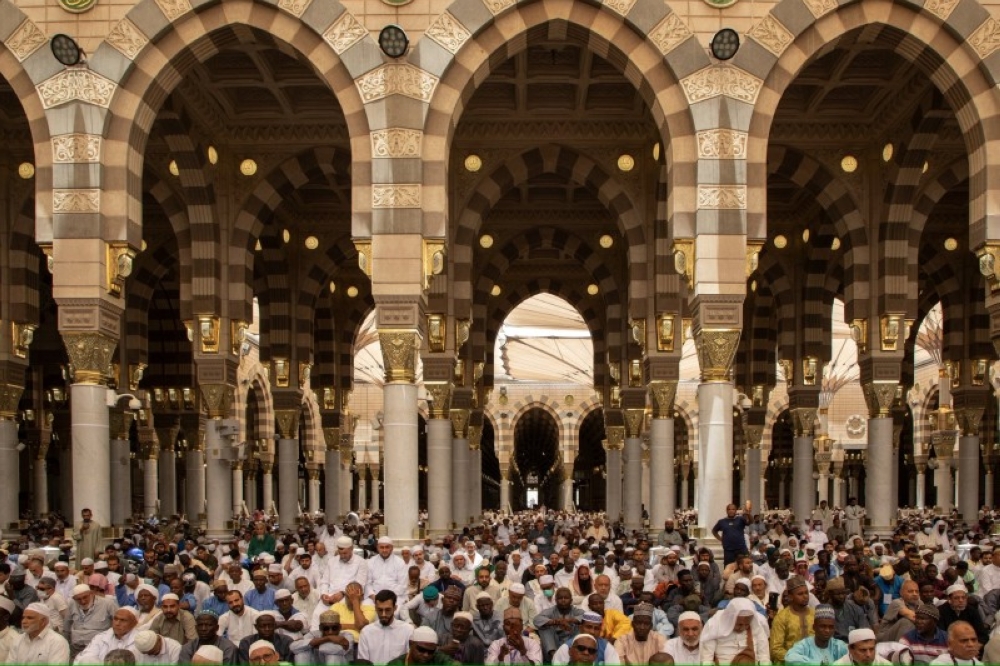
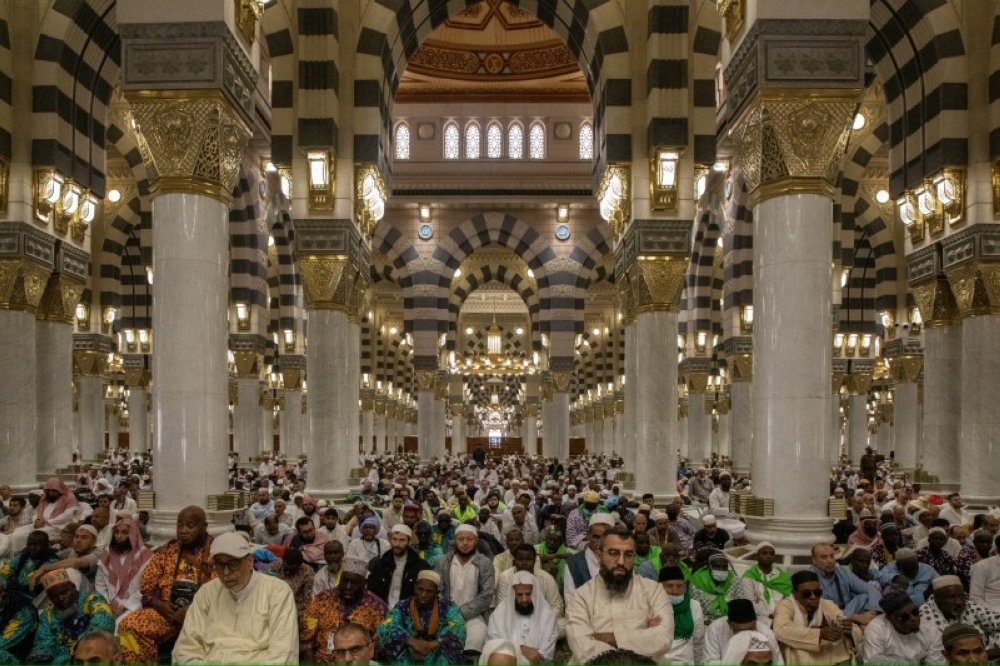
تتواصل عمليات تفويج الحجاج من المدينة المنورة إلى مكة المكرمة والمشاعر المقدسة، لأداء مناسك الحج. وارتفعت أعداد ضيوف الرحمن المغادرة بعد أداء صلاة الجمعة وسط منظومة متكاملة من الخدمات، فيما رفعت كافة القطاعات الحكومية والمعنية جاهزيتها لتقديم خدماتها لضيوف الرحمن وتمكينهم من الوصول بكل راحة وسهولة. وشهد ميقات ذي الحليفة يوم الجمعة مغادرة مئات الحافلات التي تنقل ضيوف الرحمن، كما شهدت أيضاً محطة قطار الحرمين السريع مغادرة ضيوف الرحمن، وتم رفع معدل الخدمات الأمنية والصحية والإرشادية، بدءاً بتأمين انسيابية وصول الحافلات، وفق خطة تفويج تراعي ضبط مواعيد انتقال مئات الحافلات من مساكن إقامة ضيوف الرحمن في المنطقة المركزية، ووصولها إلى مركز التفويج البري، لتسلك طريقها بانسيابية عبر طريق الهجرة السريع إلى مكة المكرمة والمشاعر المقدسة وفق نظام مرن، يراعي انسيابية تحرك الحافلات دون تأخير، إضافة إلى تهيئة خدمات الإرشاد المكاني للحافلات في مختلف مواقع العبور، وتوفير عربات الجولف، والكراسي المتحركة لخدمة كبار السن في جامع الميقات، وخدمة إرشاد التائهين، وتجهيز مختلف الوسائل والكوادر الطبية للتعامل مع الحالات المرضية، كحالات الإجهاد، والتعامل المباشر معها أو نقلها بواسطة مركبات الإسعاف للمراكز الصحية والمستشفيات.
وشكّلت الخدمات الأمنية أكبر منظومة لخدمة الحجاج عبر طريق الهجرة السريع الذي يمتد لمسافة 450 كيلومتراً، تربط بين المدينة المنورة ومكة المكرمة، لحفظ الأرواح، وإنجاح خطة تصعيد آلاف الحجاج المغادرين إلى المشاعر المقدسة عبر مئات الحافلات في وقت قياسي لا يتجاوز 24 ساعة، تمثّل ذروة أعمال التفويج، حيث ترافق حافلات نقل الحجاج على امتداد طريق الهجرة السريع، ضمن نطاق منطقة المدينة المنورة، خطة للضبط الأمني، وتحديد نقاط للتهدئة على الطريق السريع للمحافظة على سلامة الحجاج والمسافرين حتى وصولهم بأمن وسلام إلى المنفذ البري للعاصمة المقدسة.
كما تمت زيادة النقاط الإسعافية التابعة لهيئة الهلال الأحمر السعودي إلى 4 نقاط؛ بهدف تعزيز الجاهزية الميدانية وتقليص زمن الاستجابة للحالات الطارئة، في المواقع ذات الكثافة الموسمية عند المسجد النبوي الشريف ومسجد قباء. وأسهمت نقاط الانطلاق الجديدة في تحقيق أثر ملموس، إذ انخفض متوسط زمن الاستجابة في بعض المواقع إلى 4 دقائق و52 ثانية، فيما تجاوزت نسبة الاستجابة للبلاغات العاجلة خلال 5 دقائق أكثر من 56% من إجمالي البلاغات.
وكان أمير منطقة المدينة المنورة الأمير سلمان بن سلطان بن عبدالعزيز تفقّد مركز الترحيب واستقبال الحجاج على طريق الهجرة، للاطمئنان على عمليات التفويج، واطّلع على سير العمل في المركز، واطمأن على جاهزية الاستعدادات والإمكانات المسخّرة لضمان راحة ضيوف الرحمن زوّار المدينة المنورة، وسرعة إنجاز إجراءاتهم بكل يسر وسهولة.
كما شاهد عبر الشاشات الذكية إحصاءات ومؤشرات تشغيلية ترصد حركة القدوم والتفويج بطريقة آلية، إلى جانب خطة تجويد الخدمات التي تمكّن من إنهاء إجراءات الحجاج خلال مدة لا تتجاوز 3 دقائق، عبر التحقق من التوجيه المسبق وجاهزية مقرات السكن لاستقبالهم.
The operations of transporting pilgrims from Medina to Mecca and the holy sites continue, allowing them to perform the rituals of Hajj. The number of guests of Allah departing after performing Friday prayers has increased, supported by a comprehensive system of services. All government sectors and relevant authorities have heightened their readiness to provide services to the guests of Allah and enable them to reach their destinations comfortably and easily. On Friday, hundreds of buses transporting the guests of Allah departed from the Dhul-Hulaifah Miqat, and the Haramain High-Speed Train station also witnessed the departure of guests of Allah. The rates of security, health, and guidance services have been elevated, starting with ensuring the smooth arrival of buses, according to a transportation plan that considers the timing of hundreds of buses moving from the accommodations of the guests of Allah in the central area to the land transportation center, allowing them to travel smoothly via the Hijra Highway to Mecca and the holy sites under a flexible system that ensures the smooth movement of buses without delay. Additionally, spatial guidance services for buses have been prepared at various crossing points, along with providing golf carts and wheelchairs to assist the elderly at the Miqat Mosque, lost person guidance services, and equipping various medical means and personnel to handle medical cases, such as cases of exhaustion, either through direct intervention or by transporting them via ambulances to health centers and hospitals.
The security services formed the largest system to serve the pilgrims along the Hijra Highway, which extends for 450 kilometers, connecting Medina and Mecca, to preserve lives and ensure the successful plan for transporting thousands of pilgrims to the holy sites via hundreds of buses in a record time not exceeding 24 hours, representing the peak of the transportation operations. The buses transporting the pilgrims along the Hijra Highway, within the Medina area, are accompanied by a security control plan, which includes identifying points for calming on the highway to maintain the safety of the pilgrims and travelers until they arrive safely at the land entry point to the holy capital.
Moreover, the number of first aid points affiliated with the Saudi Red Crescent Authority has been increased to four points to enhance field readiness and reduce response time for emergency cases in areas with seasonal density near the Prophet's Mosque and Quba Mosque. The new launch points have contributed to achieving a tangible impact, as the average response time in some locations has decreased to 4 minutes and 52 seconds, while the response rate to urgent reports within 5 minutes exceeded 56% of the total reports.
The Governor of Medina Region, Prince Salman bin Sultan bin Abdulaziz, inspected the welcoming and reception center for pilgrims along the Hijra Road to ensure the smooth transportation operations and reviewed the workflow at the center. He confirmed the readiness of the preparations and resources allocated to ensure the comfort of the guests of Allah visiting Medina and to expedite their procedures with ease and convenience.
He also viewed, through smart screens, statistics and operational indicators that monitor the movement of arrivals and transportation automatically, alongside a service quality improvement plan that enables the completion of pilgrims' procedures within a time not exceeding 3 minutes, by verifying prior arrangements and the readiness of accommodation locations to receive them.