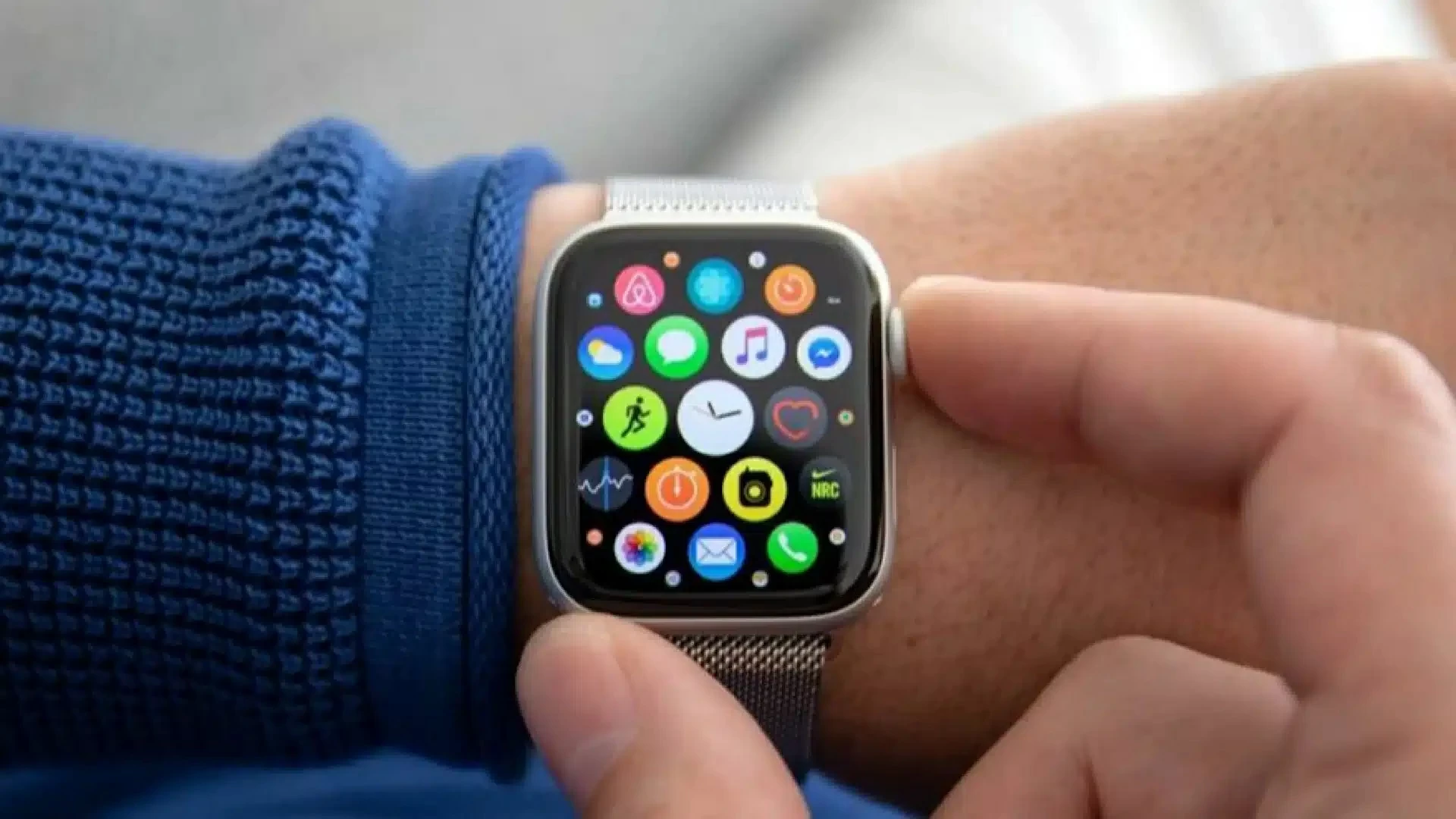
تحوّل حلم الحصول على «هدية مجانية» إلى كابوس مالي مرعب هز القطاع المصرفي، بعدما تسببت نقرة واحدة على شاشة الهاتف في تجريد رجل أعمال مصري من وديعة بنكية ضخمة بلغت 750 مليون جنيه، ليقع ضحية لواحد من أعقد فخاخ «التصيد الرقمي اللحظي» التي شهدتها المنطقة أخيراً.
الصدمة الأكبر في القضية (كما كشفها مسؤول مصرفي) هي أن أنظمة البنك لم تُخترق نهائياً، بل إن الضحية هو من سلّم المفتاح الأخير لثروته للمحتالين بملء إرادته!
واللافت أن رحلة خسارة الثروة بدأت بإعلان ترويجي شديد الاحترافية على منصات التواصل الاجتماعي، يَعِد عملاء أحد البنوك بالحصول على «ساعة ذكية مجانية».
وبمجرد الضغط على الرابط، نُقل الضحية إلى صفحة مصممة بواسطة الذكاء الاصطناعي لتطابق تماماً الموقع الرسمي للبنك بألوانه وشعاراته، مما جعل اكتشاف الخدعة مستحيلاً على شخص غير متخصص.
«التصيد اللحظي».. السرقة تتم أمام عيني الضحية
وفي تصريحات صحفية، أوضح استشاري نظم المعلومات الدكتور محمد عسكر أن المحتالين استخدموا أسلوباً خبيثاً يُعرف بـ«التصيد اللحظي» (Real-time Phishing)، إذ يسير المخطط كالآتي:
- الموقع المزيف يرتبط مباشرة وفي نفس الثواني بالنظام الحقيقي للبنك.
- عندما كتب رجل الأعمال اسم المستخدم وكلمة المرور، قام النظام بإرسال رمز التحقق لمرة واحدة (OTP) إلى هاتفه.
- بمجرد أن أعاد الضحية كتابة الرمز (OTP) في الموقع المزيف ظناً منه أنه يؤكد استلام الساعة، منح المهاجم الإذن الكامل وفوراً لسحب الوديعة وتحويل الـ 750 مليون جنيه خارج الحساب.
وتكمن الخطورة في هذه العملية في الاعتماد على تقنيات الذكاء الاصطناعي التي جعلت صياغة الرسائل وبناء الصفحات المزيفة وتزوير بيانات الترحيب بالعميل مخصصة وأكثر إقناعاً وبأقل تكلفة.
ويعلق رئيس مركز العرب للأبحاث الدكتور محمد فتحي الشريف على هذا التحول قائلاً: «التهديد اليوم لم يعد يستهدف جدران البنوك أو أنظمتها الحصينة، بل يستهدف وعي العميل وثقته، فالمحتال أصبح يقنع الضحية بفتح الباب بنفسه بدلاً من محاولة كسره».
كيف تحمي حسابك من هذا الفخ؟
أجمع خبراء الأمن السيبراني على خطة دفاعية صارمة لحماية المدخرات:
- قاعدة ذهبية: البنوك لا تمنح هدايا أو ساعات مجانية عبر روابط عشوائية.
- الوصول الآمن: لا تدخل لحسابك إلا من التطبيق الرسمي أو بكتابة رابط البنك بنفسك.
- السرية المطلقة: رمز الـ OTP هو توقيعك المالي النهائي، لا تشاركه مع أي صفحة أو شخص مهما بدت رسمية.
The dream of receiving a "free gift" turned into a terrifying financial nightmare that shook the banking sector, after a single click on a phone screen stripped an Egyptian businessman of a massive bank deposit amounting to 750 million pounds, making him a victim of one of the most complex traps of "real-time phishing" witnessed in the region recently.
The biggest shock in the case (as revealed by a banking official) is that the bank's systems were never hacked; rather, the victim willingly handed over the final key to his wealth to the fraudsters!
Interestingly, the journey of wealth loss began with a highly professional promotional announcement on social media platforms, promising customers of a bank a "free smart watch."
Once the link was clicked, the victim was redirected to a page designed by artificial intelligence that perfectly matched the official bank's website in colors and logos, making it impossible for an untrained person to detect the trick.
“Real-time Phishing”... theft occurs before the victim's eyes
In press statements, information systems consultant Dr. Mohamed Askar explained that the fraudsters used a malicious method known as "real-time phishing," where the scheme unfolds as follows:
- The fake site is directly linked in real-time to the bank's actual system.
- When the businessman entered his username and password, the system sent a one-time verification code (OTP) to his phone.
- As soon as the victim re-entered the code (OTP) on the fake site, believing he was confirming the receipt of the watch, he granted the attacker full and immediate permission to withdraw the deposit and transfer the 750 million pounds out of the account.
The danger of this operation lies in the reliance on artificial intelligence technologies that made the crafting of messages, building fake pages, and forging customer welcome data more personalized and convincing at a lower cost.
Dr. Mohamed Fathi Al-Sharif, head of the Arab Center for Research, comments on this shift, saying: "The threat today no longer targets the walls of banks or their fortified systems, but rather the awareness and trust of the customer; the fraudster has become able to convince the victim to open the door themselves instead of trying to break it down."
How to protect your account from this trap?
Cybersecurity experts agree on a strict defensive plan to protect savings:
- Golden rule: Banks do not offer gifts or free watches through random links.
- Secure access: Only log into your account through the official app or by typing the bank's link yourself.
- Absolute confidentiality: The OTP is your final financial signature; do not share it with any page or person, no matter how official they seem.