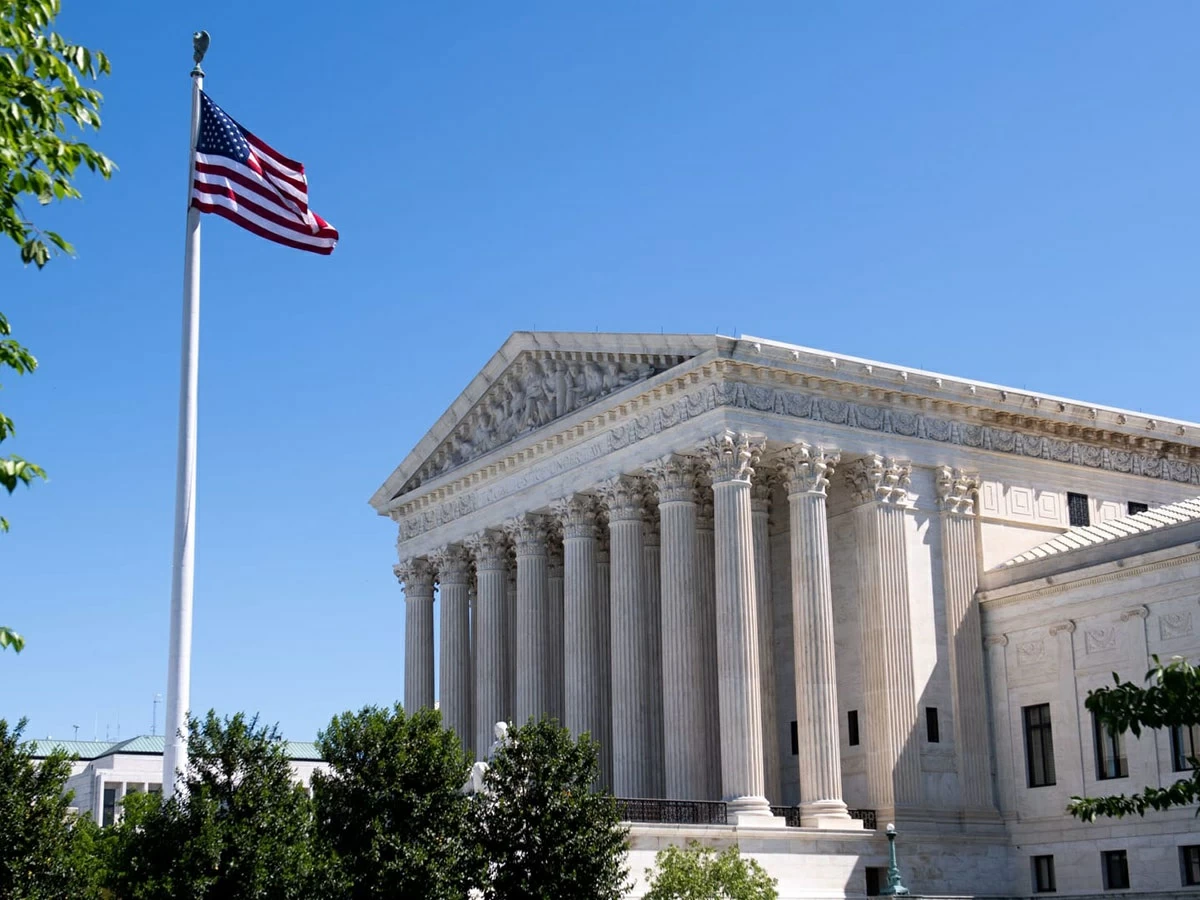
أعلنت المحكمة العليا الأمريكية اليوم (الثلاثاء) رفضها أمراً تنفيذياً أصدره الرئيس الأمريكي دونالد ترمب يقضي بحرمان الأطفال المولودين داخل الولايات المتحدة لآباء يقيمون بصورة غير نظامية أو مؤقتة من الجنسية الأمريكية، مؤكدة أن حق المواطنة بالولادة محمي بموجب التعديل الرابع عشر للدستور.
وجاء الحكم بأغلبية ستة قضاة مقابل ثلاثة، في قرار يُعد محطة مفصلية ضمن معركة الإدارة الأمريكية لتشديد سياسات الهجرة، كما يمثل ثاني انتكاسة قضائية كبيرة لترمب هذا العام بعد إبطال المحكمة مبادرة الرسوم الجمركية الشاملة.
وأكدت المحكمة أن مبدأ منح الجنسية لكل من يولد على الأراضي الأمريكية يستند إلى نص دستوري واضح وتفسير قانوني مستقر منذ أكثر من قرن، مع استثناءات محدودة تشمل أبناء الدبلوماسيين الأجانب وقوات الاحتلال.
وشدد رئيس المحكمة جون روبرتس في حيثيات الحكم على أن واضعي التعديل الرابع عشر تعهدوا بضمان هذا الحق لكل من يولد حراً على الأراضي الأمريكية، معتبراً أن المحكمة تحافظ اليوم على ذلك الالتزام الدستوري.
في المقابل، اعترض ثلاثة من القضاة المحافظين على الحكم، ورأوا أن المحكمة تجاوزت حدودها بإبطال الأمر التنفيذي، معتبرين أن تفسير التعديل الرابع عشر توسع تاريخياً بما يتجاوز الغاية التي وُضع من أجلها.
ولم يتأخر رد ترمب، إذ وصف القرار بأنه «مؤسف للغاية»، داعياً الكونغرس إلى التحرك سريعاً لإقرار تشريع ينهي حق المواطنة بالولادة.
وأكد ترمب استعداده لتقديم «دعم كامل» لأي مشروع قانون بهذا الاتجاه، ومعتبراً أن الحل التشريعي أكثر واقعية من السعي إلى تعديل الدستور.
وتعد القضية أول ملف هجرة في الولاية الثانية لترمب يصل إلى المحكمة العليا بحكم نهائي، كما تعكس استمرار المواجهة بين البيت الأبيض والسلطة القضائية حول حدود صلاحيات الرئيس في ملفات الهجرة، رغم الأغلبية المحافظة داخل المحكمة.
The U.S. Supreme Court announced today (Tuesday) its rejection of an executive order issued by President Donald Trump that aimed to deny American citizenship to children born in the United States to parents residing unlawfully or temporarily, affirming that the right to citizenship by birth is protected under the Fourteenth Amendment of the Constitution.
The ruling came with a majority of six justices against three, in a decision considered a pivotal moment in the Trump administration's battle to tighten immigration policies, and it represents the second significant judicial setback for Trump this year after the court struck down the comprehensive tariff initiative.
The court confirmed that the principle of granting citizenship to anyone born on U.S. soil is based on a clear constitutional text and a legal interpretation that has been stable for over a century, with limited exceptions for the children of foreign diplomats and occupying forces.
Chief Justice John Roberts emphasized in the ruling's rationale that the framers of the Fourteenth Amendment committed to ensuring this right for anyone born free on U.S. territory, considering that the court today upholds that constitutional commitment.
In contrast, three conservative justices dissented from the ruling, arguing that the court overstepped its bounds by overturning the executive order, believing that the interpretation of the Fourteenth Amendment has historically expanded beyond its intended purpose.
Trump's response was swift, describing the decision as "very unfortunate," calling on Congress to act quickly to pass legislation that ends the right to citizenship by birth.
Trump affirmed his readiness to provide "full support" for any bill in this direction, considering that a legislative solution is more realistic than seeking to amend the Constitution.
This case is the first immigration file in Trump's second term to reach the Supreme Court with a final ruling, and it reflects the ongoing confrontation between the White House and the judiciary over the limits of presidential powers in immigration matters, despite the conservative majority within the court.