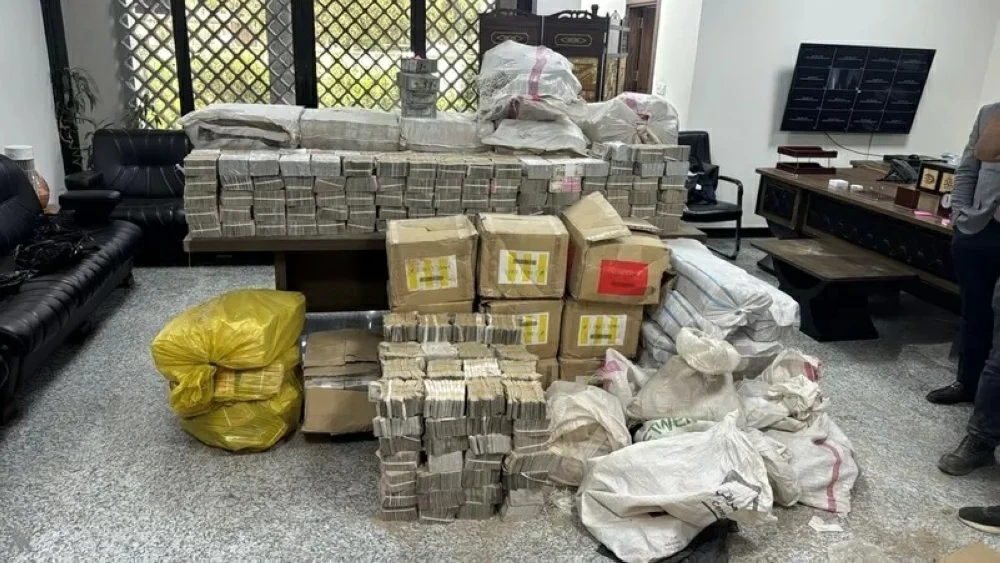
كشفت مصادر حكومية عراقية أن رئيس الوزراء علي الزيدي بصدد إصدار أوامر رسمية تُطالب السلطات الأردنية بالقبض على حيتان مال ومسؤولين عراقيين هاربين وتجريدهم من إمبراطورياتهم الاقتصادية.
وقالت المصادر لـ«عكاظ»: إن قائمة المطلوبين تضم أسماء ثقيلة تسيطر على مستشفيات خاصة وتجارة سيارات ومصانع كبرى في الأردن متهمين بنهب عشرات الملايين من الدولارات وكميات ضخمة من الذهب.
وأفادت المصادر بأن التوجّه لدى القضاء العراقي يتمثّل في فرض حظر شامل وتجميد كامل لجميع أصولهم وأموالهم داخل الأردن وخارجه في أضخم تحرك حكومي لكسر عظام الفاسدين واسترداد ثروات البلاد المنهوبة.
في غضون ذلك، وجّه رئيس الوزراء الأجهزة المختصة بإيقاف المركبات الحكومية وإخضاعها لتفتيش دقيق، خصوصاً على الطرق الرئيسة والخطوط الرابطة بين محافظات الوسط والشمال والجنوب.
ودخلت هذه الإجراءات حيز التنفيذ الفعلي وتشمل العجلات الرسمية العابرة بين المحافظات؛ بهدف إحباط أي محاولات لتهريب الأموال أو المستندات، أو أي موجودات أخرى قد تكون مرتبطة بملفات قيد التحقيق حالياً. وتأتي هذه الخطوة الميدانية تزامناً مع حملة متصاعدة لمكافحة الفساد أطلقتها الحكومة فجر الأحد الماضي، وطالت مسؤولين ونواباً ورجال أعمال، والتي وصفها رئيس الوزراء علي الزيدي بأنها المرحلة الأولى من مسار أوسع لاسترداد المال العام، موجهاً الأجهزة الرقابية بالاستنفار التام لتلقي أي مؤشرات تتعلق بملفات الفساد أو التقصير المؤسساتي.
ووفقاً لتقديرات غير رسمية، تبلغ فاتورة الفساد في العراق نحو 500 مليار دولار منذ عام 2003، وقدر خبراء ومختصون أن تكلفة الفساد تلتهم ثلث الإيرادات النفطية.
وقبل حرب إيران وإغلاق مضيق هرمز، كانت حصيلة العراق من تصدير النفط تراوح من ستة إلى سبعة مليارات دولار شهرياً، إذ يتجاوز حجم الصادرات 100 مليون برميل في الشهر، وفقاً لبيانات وزارة النفط العراقية.
Iraqi government sources have revealed that Prime Minister Ali Al-Zaydi is about to issue official orders demanding that Jordanian authorities arrest fugitive Iraqi financial tycoons and officials and strip them of their economic empires.
The sources told “Okaz”: The list of wanted individuals includes heavyweights who control private hospitals, car trade, and major factories in Jordan, accused of embezzling tens of millions of dollars and large quantities of gold.
The sources indicated that the approach within the Iraqi judiciary is to impose a comprehensive ban and a complete freeze on all their assets and funds inside and outside Jordan in the largest governmental move to break the bones of the corrupt and recover the looted wealth of the country.
Meanwhile, the Prime Minister directed the relevant agencies to stop government vehicles and subject them to thorough inspections, especially on the main roads and the routes connecting the central, northern, and southern provinces.
These measures have come into actual effect and include official vehicles crossing between provinces; aimed at thwarting any attempts to smuggle money, documents, or any other assets that may be linked to ongoing investigations. This field step coincides with an escalating anti-corruption campaign launched by the government early last Sunday, targeting officials, deputies, and businessmen, which Prime Minister Ali Al-Zaydi described as the first phase of a broader path to recover public funds, directing oversight agencies to be fully alert to receive any indications related to corruption files or institutional shortcomings.
According to unofficial estimates, the cost of corruption in Iraq amounts to about $500 billion since 2003, and experts and specialists have estimated that the cost of corruption consumes a third of oil revenues.
Before the Iran War and the closure of the Strait of Hormuz, Iraq's oil export revenue ranged from six to seven billion dollars monthly, with exports exceeding 100 million barrels per month, according to data from the Iraqi Ministry of Oil.