


في وقت تتزايد فيه التحذيرات من المخاطر البيئية والصحية الناجمة عن النفايات الزراعية غير المعالجة، أطلقت المملكة مشروعًا وطنيًا صارمًا لإلزام المنتجين بفصل النفايات من المصدر، في خطوة تهدف إلى إيقاف الهدر، ووقف تسرب الملوثات إلى المياه والتربة، وحماية سلسلة الغذاء.
المشروع، الذي يقوده المركز الوطني لإدارة النفايات بالتعاون مع قطاع البيئة والمياه والزراعة والثروات الحية، طُرح للاستطلاع العام عبر المنصة الوطنية الموحدة ويأتي مصحوبًا بضوابط وأدلة فنية تمثل خارطة طريق إلزامية لجميع المزارع والمنشآت الزراعية والحيوانية والسمكية، وكذلك المسالخ ومصانع تجهيز المنتجات الغذائية.
الأدلة المعلنة تضع حدًا للفوضى في إدارة النفايات، وتفرض فصلها وفق نظام ترميز لوني وحاويات مخصصة مقاومة للعوامل الجوية، مع منع خلط النفايات الخطرة بغير الخطرة، وحفظ سجلات دقيقة لكل حركة تخزين أو نقل. كما تمنع الضوابط أي خلط قد يؤدي إلى «تلوث تبادلي» يضاعف الأخطار على البيئة والصحة العامة.
ويستند الإطار القانوني للمشروع إلى نظام إدارة النفايات ولائحته التنفيذية، مدعومًا بأنظمة البيئة والزراعة، ما يجعل الالتزام به أمرًا غير قابل للتفاوض ويواجه المخالفون غرامات مالية، وإيقاف تراخيص، وإلغاء تصاريح النشاط بالكامل، في حال التلاعب أو الإهمال.
ويؤكد خبراء، أن هذه الخطوة تمثل تحوّلًا إستراتيجيًا نحو الاقتصاد الدائري، حيث تتحول النفايات إلى مواد أولية لإنتاج الأسمدة والطاقة الحيوية، بدلًا من أن تكون عبئًا على البيئة. كما يعزز المشروع من جودة الإنتاج الزراعي ويحمي موارد المياه من التلوث، ويحد من الانبعاثات الضارة.
خطة شاملة تحوّل النفايات الزراعية من عبء بيئي إلى ثروة
12 أغسطس 2025 - 10:17
|
آخر تحديث 12 أغسطس 2025 - 10:20
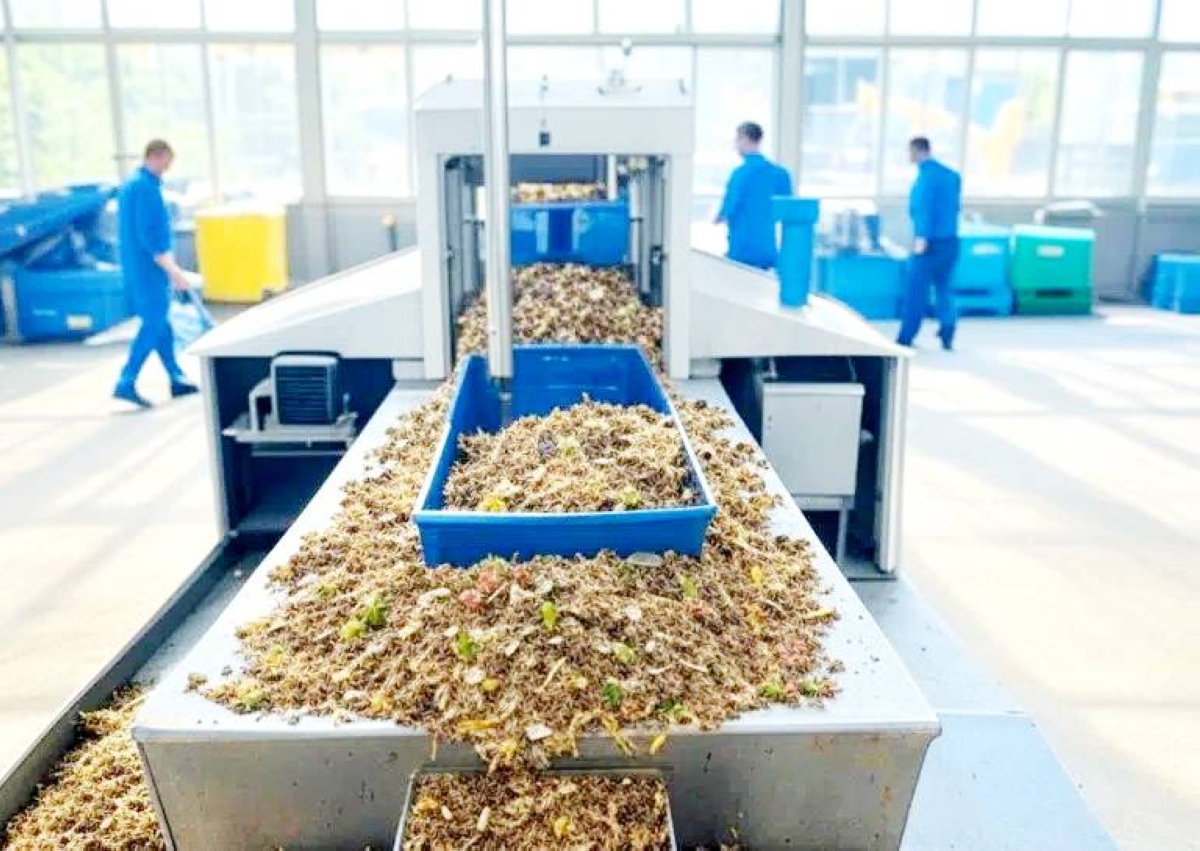
تحويل النفايات الزراعية والصناعية إلى سلع مربحة خطوة اقتصاد مستدام. (متداولة)


تابع قناة عكاظ على الواتساب
متعب العواد (حائل) motabalawwd@
At a time when warnings about the environmental and health risks posed by untreated agricultural waste are increasing, the Kingdom has launched a stringent national project to require producers to separate waste at the source, in a move aimed at stopping waste, preventing the leakage of pollutants into water and soil, and protecting the food chain.
The project, led by the National Center for Waste Management in collaboration with the Environment, Water, Agriculture, and Living Resources sectors, has been proposed for public consultation through the unified national platform and comes with regulations and technical guidelines that represent a mandatory roadmap for all farms, agricultural, animal, and fish facilities, as well as slaughterhouses and food processing plants.
The announced guidelines put an end to the chaos in waste management and impose separation according to a color-coding system and weather-resistant designated containers, while preventing the mixing of hazardous waste with non-hazardous waste, and maintaining accurate records for every storage or transportation movement. The regulations also prohibit any mixing that could lead to "cross-contamination," which multiplies the risks to the environment and public health.
The legal framework for the project is based on the Waste Management System and its executive regulations, supported by environmental and agricultural systems, making compliance non-negotiable. Violators face financial penalties, suspension of licenses, and complete cancellation of activity permits in cases of manipulation or negligence.
Experts confirm that this step represents a strategic shift towards a circular economy, where waste is transformed into raw materials for producing fertilizers and bioenergy, instead of being a burden on the environment. The project also enhances the quality of agricultural production, protects water resources from pollution, and reduces harmful emissions.
The project, led by the National Center for Waste Management in collaboration with the Environment, Water, Agriculture, and Living Resources sectors, has been proposed for public consultation through the unified national platform and comes with regulations and technical guidelines that represent a mandatory roadmap for all farms, agricultural, animal, and fish facilities, as well as slaughterhouses and food processing plants.
The announced guidelines put an end to the chaos in waste management and impose separation according to a color-coding system and weather-resistant designated containers, while preventing the mixing of hazardous waste with non-hazardous waste, and maintaining accurate records for every storage or transportation movement. The regulations also prohibit any mixing that could lead to "cross-contamination," which multiplies the risks to the environment and public health.
The legal framework for the project is based on the Waste Management System and its executive regulations, supported by environmental and agricultural systems, making compliance non-negotiable. Violators face financial penalties, suspension of licenses, and complete cancellation of activity permits in cases of manipulation or negligence.
Experts confirm that this step represents a strategic shift towards a circular economy, where waste is transformed into raw materials for producing fertilizers and bioenergy, instead of being a burden on the environment. The project also enhances the quality of agricultural production, protects water resources from pollution, and reduces harmful emissions.




