


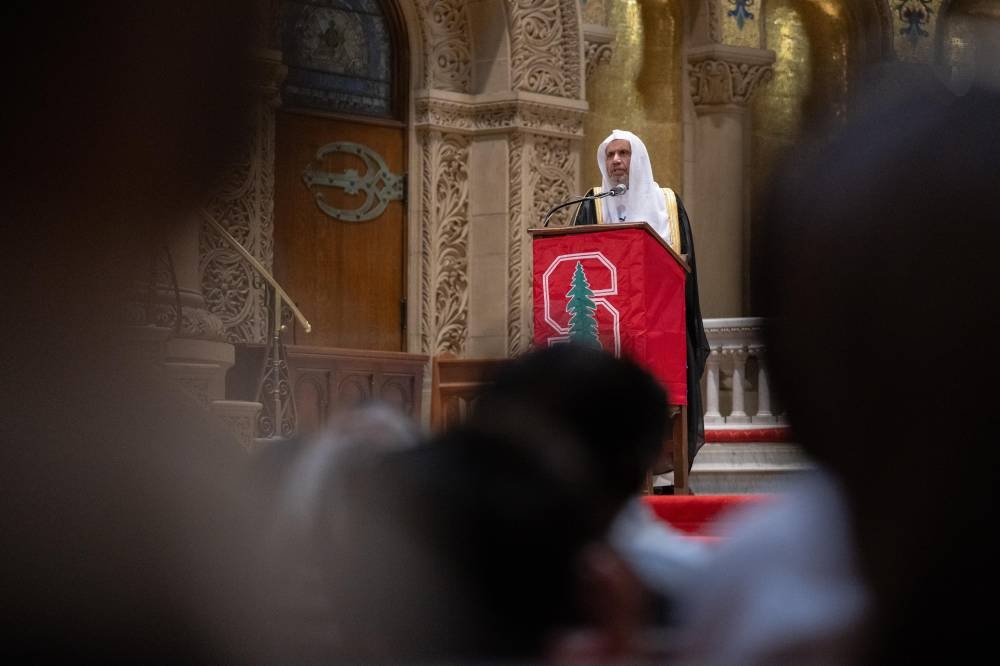
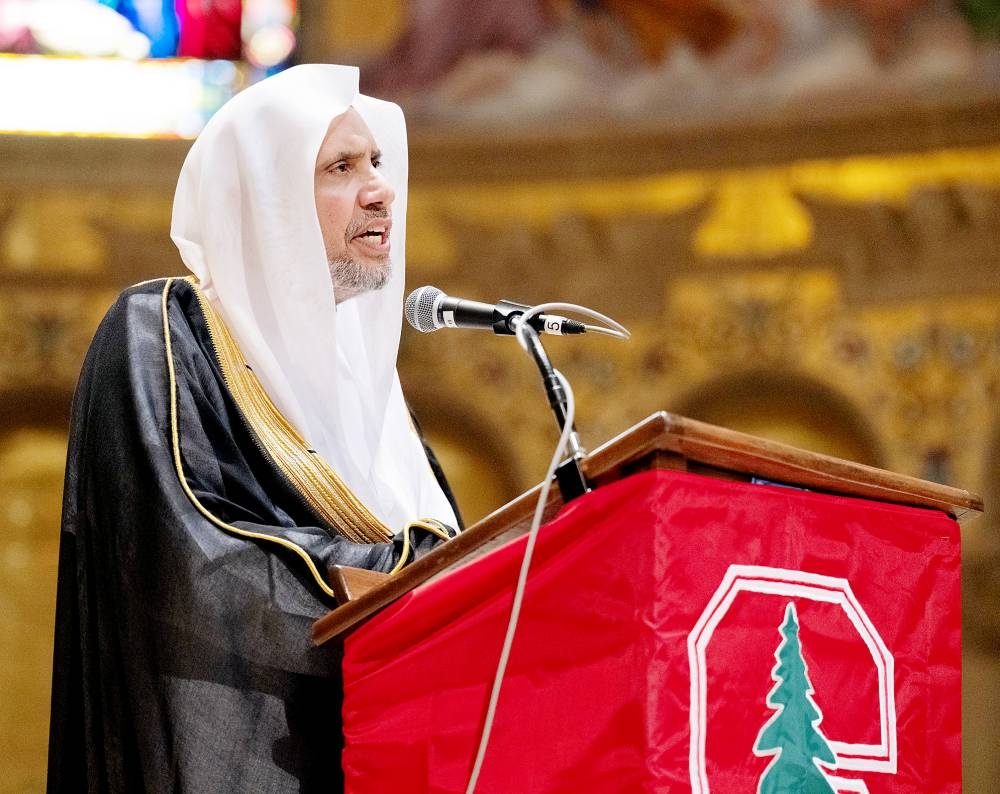
استضافتْ جامعةُ ستانفورد الأمريكية، الأمين العام لرابطة العالم الإسلامي رئيس هيئة علماء المسلمين الشيخ الدكتور محمد بن عبدالكريم العيسى، لإلقاء محاضرةٍ عن «القِيَم في مواجهة صراعات العَصر». والتقى بعددٍ من رجال الأعمال في وادي السيليكون، مناقشاً عدداً من الموضوعات ذات الصلة بالاقتصاد الرقمي وتشريعات الاقتصاد الإسلامي وأخلاقيات الذكاء الاصطناعي والأعمال الخيرية ومكافحة الفقر.
واشتملت المحاضرة في أهم محاورها على تسليط الضوء على الصراعات الأيديولوجية -الدينية والفكرية- مع استعراض نماذج لمخاطرها وحلولها، وإيضاح الفرق بين الاختلافات الدينية والفكرية التي تُمَثِّل طبيعةَ الحياة وواقعها الذي لا يُمكن إلغاؤه، مع ضرورة تفاهمها وتعايشها وتعاونها، مبيّناً صراعها وانقسام مجتمعاتها وأُمَمها والآثار الناتجة عن ذلك، مع استعراض بعض الأمثلة، وخصوصا أشهر الكتابات والنظريات بشأنها ومناقشتها، ولا سيما الشعارات الداعية لتحويل الأفكار إلى أيديولوجياتٍ متطرفة ومنغلقة، كما تتحوّل -على سبيل المثال- الحرية الاقتصادية إلى قناعةٍ مقدّسةٍ ومنغلقةٍ على نفسها على حساب العدالة والتضامن، مع التأكيد على أن هذا لا يعني المساسَ بحق الدول والكيانات في أولوية تحقيق مصالحها في الإطارَيْن الأخلاقي والقانوني.
وتطرّقتْ المحاضرةُ كذلك -في سياق إسهابها- لشرحٍ موجزٍ لمفهوم القانون الدولي والقانون الدولي الإنساني، مع قراءةٍ لمستوى تفعيله وفق الأحداث العالمية المعاصرة.
كما تناولتْ المحاضرة -بالأمثلة- جهودَ رابطة العالم الإسلامي حول العالم؛ لتعزيز سلام المجتمعات والأمم وتماسكها، وتناولتْ أيضا شرحًا موسَّعًا لبعض القِيَم الإسلامية، في سياق الحديث عن التشخيص والحلول والنماذج.
كما اشتملتِ المحاضرةُ أيضاً على إيضاح عددٍ من المفاهيم ذات الصّلة بالجانب الإسلامي، ومن ثمَّ التأكيد على أهمية استيعاب أهدافها التشريعية وسلامتها التطبيقية، مع التركيز على الفرق بين ما يمثِّل حقيقة الإسلام وبين ما يمثِّل فقط بعض الأفراد أو بعض الجماعات، مع الإشارة في هذا لوثيقة مكة المكرمة، وإجماعها الإسلامي، وفكرة صدورها، واستعراضٍ مختصرٍ لمضامينها.
25 طالباً يستعرضون مشاريعهم حول بنود «وثيقة مكة المكرمة»
تلا ذلك، جلسة حوارٍ تناولت بعض الأسئلة والاستطلاعات والنقاش حولها. عقِبها، استمع العيسى إلى شرح وعروض لمجموعة من طلاب مرحلة البكالوريوس في جامعة ستانفورد، بلغ عددهم ٢٥ طالباً، قدّموا مشاريعهم العملية بعد نهاية الفصل الدراسي الحالي، والتي ركّزتْ على تطبيق مضامين «وثيقة مكة المكرمة» عالميًّا.
وتأتي هذه المشاريع الطلابية ضمن برنامج «تأسيس حياة المسلم»، والتي استلهموها بعد زيارتهم إلى مكة المكرمة في شهر رمضان المبارك وأدائهم مناسك العمرة.
واستعرضتْ هذه المشاريع الطلابية بنود «وثيقة مكة المكرمة» والتقريب بينها وبين الحياة العملية في العالم الغربي، مثل: مكافحة التطرف، وتعزيز التواصل والحوار بين أتباع الأديان، وحماية المناخ والبيئة، وغيرها.
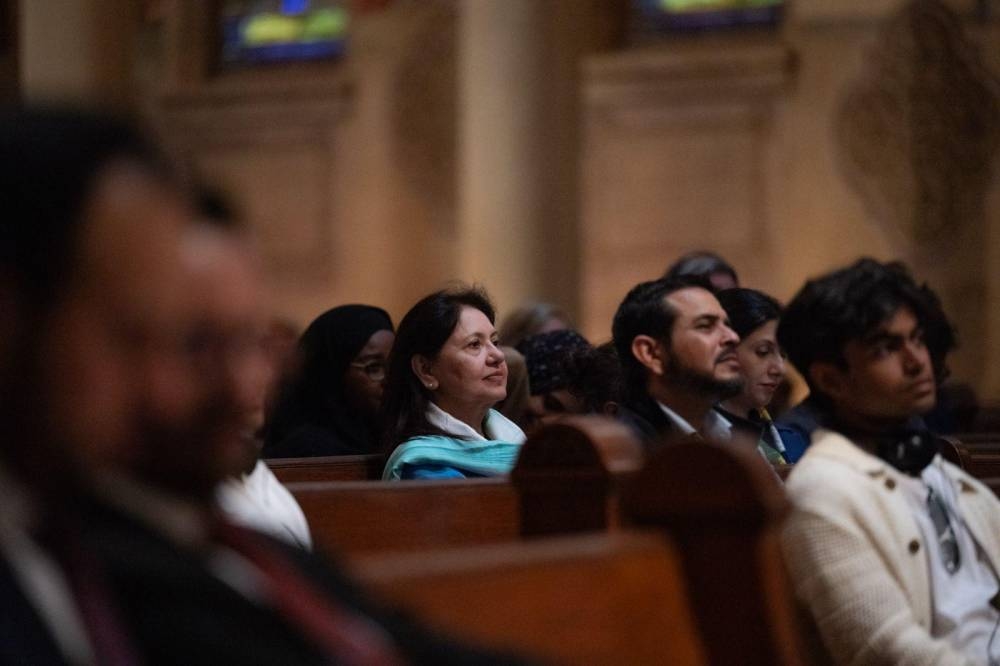
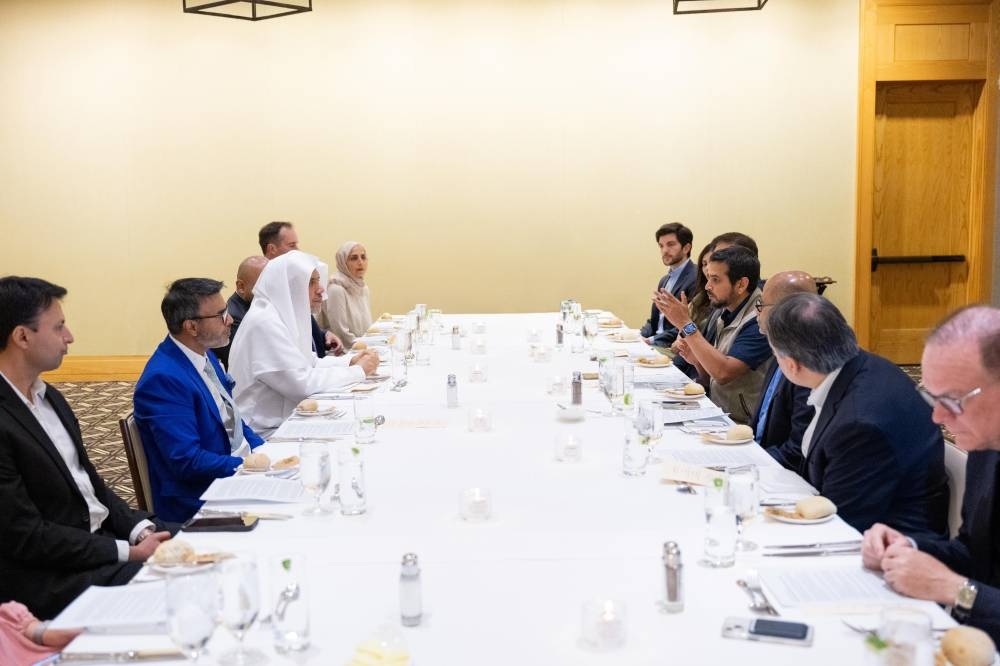
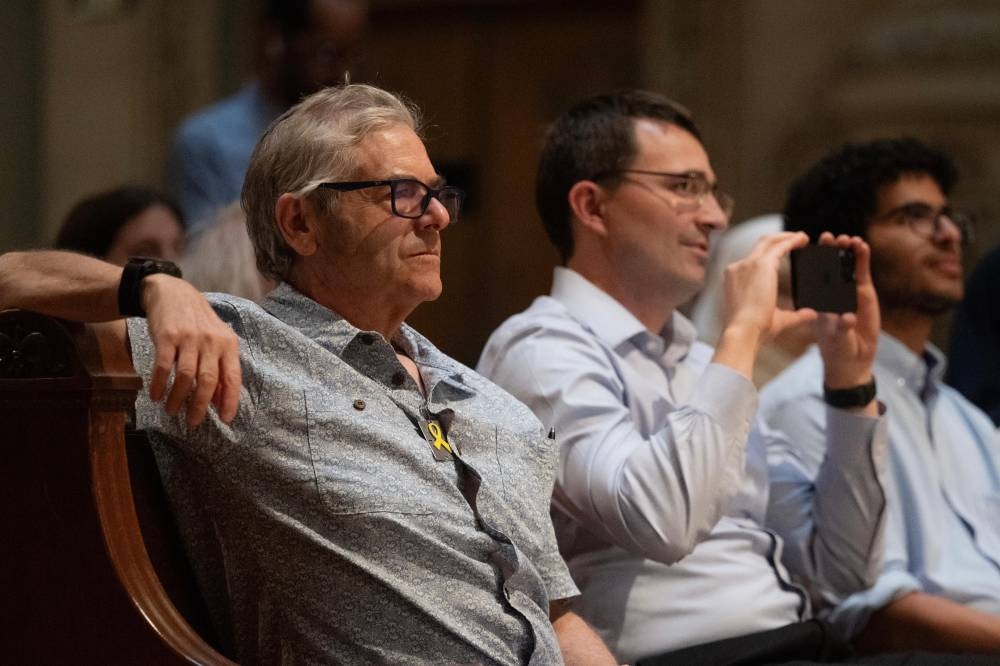
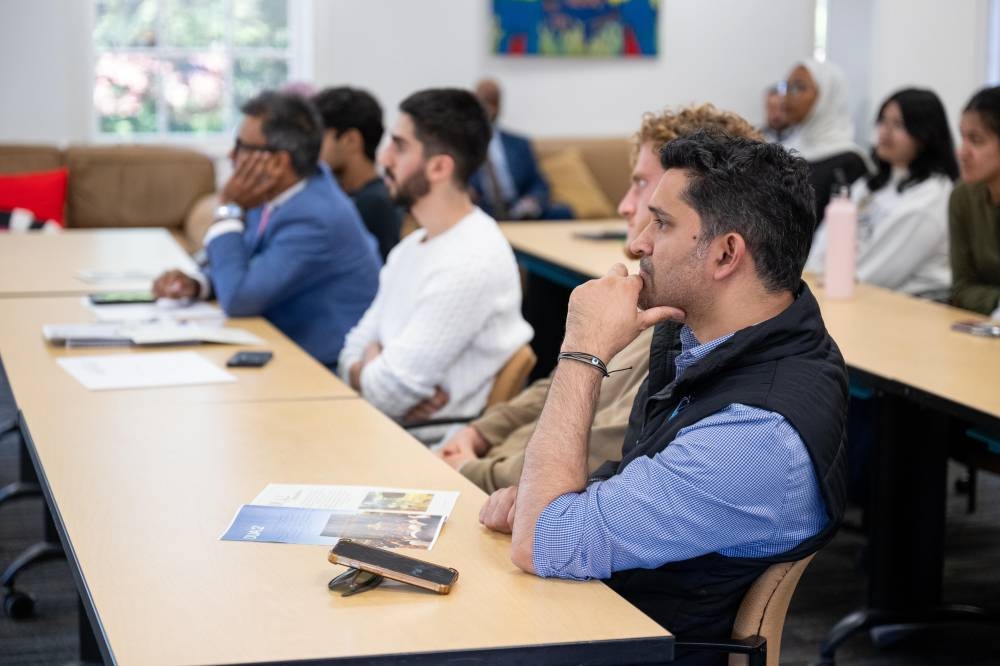
شهِدَ المحاضرةَ عددٌ من أكاديميّي الجامعة وطلابِها والمدعوّين لها، مؤكِّدين أهمية توسيع فكرة المحاضرة، لتكون مشروعَ كتابٍ يُقترح صدورُه عن الجامعة. عقِب ذلك، تمّ تناول طعام الغداء على شرفه، بحضور عددٍ من العمداء وأعضاء هيئة التدريس.
تناولت شرحاً موسَّعاً للقِيَم الإسلامية وإيضاح عددٍ من المفاهيم
جامعةُ ستانفورد تستضيف محاضرةً لأمين عام رابطة العالم الإسلامي
29 مايو 2025 - 16:59
|
آخر تحديث 29 مايو 2025 - 17:00


تابع قناة عكاظ على الواتساب
«عكاظ» (كاليفورنيا) OKAZ_online@
The American University of Stanford hosted the Secretary-General of the Muslim World League and President of the Association of Muslim Scholars, Sheikh Dr. Mohammed bin Abdulkarim Al-Issa, to deliver a lecture on "Values in the Face of Contemporary Conflicts." He met with several business leaders in Silicon Valley, discussing various topics related to the digital economy, Islamic economic legislation, artificial intelligence ethics, charitable work, and poverty alleviation.
The lecture highlighted, among its main points, the ideological conflicts—religious and intellectual—showcasing examples of their risks and solutions, and clarifying the difference between religious and intellectual differences that represent the nature of life and its reality, which cannot be eliminated, emphasizing the necessity of understanding, coexistence, and cooperation among them. It illustrated their conflicts and divisions within their societies and nations and the resulting effects, presenting some examples, particularly the most famous writings and theories regarding them, and discussing slogans that call for transforming ideas into extreme and closed ideologies. For instance, economic freedom can turn into a sacred and self-enclosed conviction at the expense of justice and solidarity, while stressing that this does not mean infringing upon the rights of states and entities to prioritize their interests within ethical and legal frameworks.
The lecture also delved into a brief explanation of international law and humanitarian law, with a reading of the level of their activation according to contemporary global events.
Additionally, the lecture addressed—through examples—the efforts of the Muslim World League around the globe to promote peace among communities and nations, and it provided an expanded explanation of some Islamic values in the context of discussing diagnosis, solutions, and models.
The lecture also included clarifying several concepts related to the Islamic aspect, emphasizing the importance of understanding their legislative objectives and practical soundness, focusing on the difference between what represents the truth of Islam and what only represents certain individuals or groups, referencing the Document of Mecca, its Islamic consensus, the idea of its issuance, and a brief overview of its contents.
25 students present their projects on the items of the "Document of Mecca"
Following this, a dialogue session took place, addressing some questions and discussions around them. Subsequently, Al-Issa listened to presentations from a group of 25 undergraduate students at Stanford University, who presented their practical projects after the end of the current semester, focusing on the global application of the contents of the "Document of Mecca."
These student projects are part of the "Establishing a Muslim Life" program, which they were inspired to create after their visit to Mecca during the blessed month of Ramadan and their performance of Umrah.
These student projects reviewed the items of the "Document of Mecca" and related them to practical life in the Western world, such as combating extremism, enhancing communication and dialogue among followers of different religions, protecting the climate and environment, and more.
The lecture was attended by several university academics, students, and invited guests, who emphasized the importance of expanding the idea of the lecture into a book project proposed for publication by the university. Following that, a lunch was served in his honor, attended by several deans and faculty members.
The lecture highlighted, among its main points, the ideological conflicts—religious and intellectual—showcasing examples of their risks and solutions, and clarifying the difference between religious and intellectual differences that represent the nature of life and its reality, which cannot be eliminated, emphasizing the necessity of understanding, coexistence, and cooperation among them. It illustrated their conflicts and divisions within their societies and nations and the resulting effects, presenting some examples, particularly the most famous writings and theories regarding them, and discussing slogans that call for transforming ideas into extreme and closed ideologies. For instance, economic freedom can turn into a sacred and self-enclosed conviction at the expense of justice and solidarity, while stressing that this does not mean infringing upon the rights of states and entities to prioritize their interests within ethical and legal frameworks.
The lecture also delved into a brief explanation of international law and humanitarian law, with a reading of the level of their activation according to contemporary global events.
Additionally, the lecture addressed—through examples—the efforts of the Muslim World League around the globe to promote peace among communities and nations, and it provided an expanded explanation of some Islamic values in the context of discussing diagnosis, solutions, and models.
The lecture also included clarifying several concepts related to the Islamic aspect, emphasizing the importance of understanding their legislative objectives and practical soundness, focusing on the difference between what represents the truth of Islam and what only represents certain individuals or groups, referencing the Document of Mecca, its Islamic consensus, the idea of its issuance, and a brief overview of its contents.
25 students present their projects on the items of the "Document of Mecca"
Following this, a dialogue session took place, addressing some questions and discussions around them. Subsequently, Al-Issa listened to presentations from a group of 25 undergraduate students at Stanford University, who presented their practical projects after the end of the current semester, focusing on the global application of the contents of the "Document of Mecca."
These student projects are part of the "Establishing a Muslim Life" program, which they were inspired to create after their visit to Mecca during the blessed month of Ramadan and their performance of Umrah.
These student projects reviewed the items of the "Document of Mecca" and related them to practical life in the Western world, such as combating extremism, enhancing communication and dialogue among followers of different religions, protecting the climate and environment, and more.
The lecture was attended by several university academics, students, and invited guests, who emphasized the importance of expanding the idea of the lecture into a book project proposed for publication by the university. Following that, a lunch was served in his honor, attended by several deans and faculty members.


