
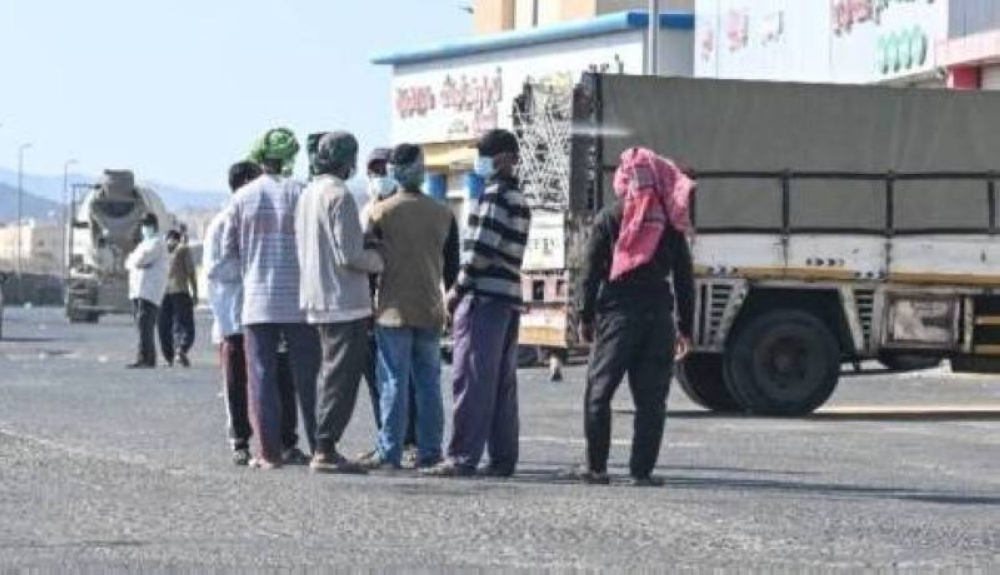
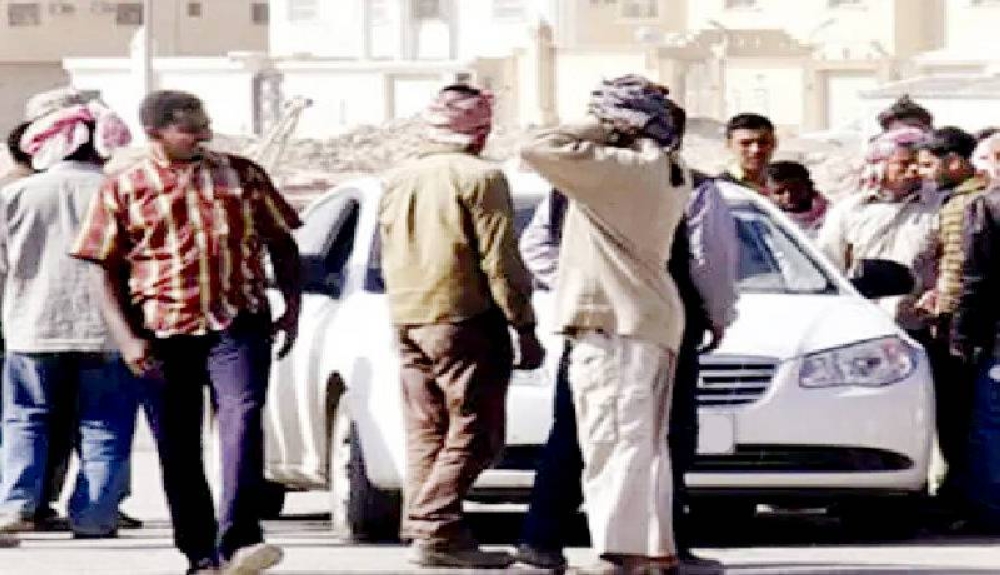
كشفت وزارة الموارد مسودة تحديث المخالفات والعقوبات لنظام العمل ولائحته التنفيذية، وتنوعت المخالفة بين جسيمة وغير جسيمة، إلى جانب تقسيم فئات العاملين إلى ثلاث فئات (ج) من 20 عاملا فأقل، (ب) من 21 إلى 49 عاملا، والفئة (أ) لعدد 50 عاملا فأعلى.
ويتم تحديد الفئات بناءً على إجمالي عدد عمال المنشأة، ويجب على صاحب العمل الاعتراض على العقوبة أمام الجهة المختصة خلال 60 يوماً من تاريخ التبليغ.
ومن أبرز المخالفات، عدم التزام صاحب العمل بقواعد الحماية والسلامة والصحة المهنية، وعدم اتخاذ الاحتياطات اللازمة لحماية العاملين في جميع الأنشطة، ويكون صاحب العمل أو وكيله مسؤولين عن الحوادث التي يصاب فيها الغير في مقر المنشأة وغرامة الفئة (ج) 1500 ريال، والفئة (ب) 2500 ريال، والفئة (أ) 5000 ريال. ومن المخالفات أيضاً قيام صاحب العمل بتشغيل العامل تحت أشعة الشمس المكشوفة، أو في الظروف المناخية السيئة دون اتخاذ الاحتياطات اللازمة وغرامته 1000 ريال تتعدد بعدد العمال. أما تشغيل الأطفال ممن لم يتم الخامسة عشرة من عمره فغرامة الفئة (ج) 1000 ريال تتعدد بتعدد الأطفال، والفئة (ب) 1500 ريال، والفئة (أ) 2000 ريال تتعدد بتعدد الأطفال.
ومن المخالفات الواردة في المسودة عدم التزام صاحب العمل بإجازة الوضع المقررة للمرأة العاملة غرامتها 1000 ريال تتعدد بتعدد العاملات. أما مخالفة قيام صاحب العمل بتشغيل عامل غير سعودي دون حصوله على رخصة عمل فغرامتها 10000 ريال تتعدد بتعدد العمال ومخالفة ترك صاحب العمل عامله يعمل لدى الغير أو تركه يعمل لحسابه الخاص غرامة الفئة (ج) 10000 ريال تعدد بتعدد الحالات، والفئة (ب) 15000 ريال تتعدد بعدد الحالات، والفئة (أ) 20000 ريال تتعدد بعدد الحالات.
أما عدم التزام المنشأة بالضوابط الخاصة بالإعلان عن الشواغر الوظيفية وإجراء المقابلات الوظيفية، فغرامة الفئة (ج) 1000 ريال تتعدد بتعدد الضوابط، والفئة (ب) 2000 ريال تتعدد بتعدد الضوابط، والفئة (أ) 3000 ريال تتعدد بتعدد الضوابط.
وعدت مخالفة قيام صاحب العمل بتوظيف عامل غيره دون الحصول على إشعار أجير، بالجسيمة وبغرامة فئة (ج 20 عاملاً فأقل) 10 آلاف ريال، وفئة (ب من 21 إلى 49 عاملاً) 15000 ريال، وفئة (أ 50 عاملاً فأعلى).
فيما أوضحت اللائحة، أن مخالفة ممارسة نشاط توظيف السعوديين دون الحصول على ترخيص من الوزارة، بغرامة فئة (ج 20 عاملاً فأقل) 200.000 ريال، وفئة (ب من 21 إلى 49 عاملاً) 200.000 ريال، وفئة (أ 50 عاملاً فأعلى).
وجاءت ممارسة نشاط الاستقدام أو نشاط الإسناد، أو تقديم الخدمات العمالية دون الحصول على ترخيص من الوزارة، بغرامة فئة (ج 20 عاملاً فأقل) 200.000 ريال، وفئة (ب من 21 إلى 49 عاملاً) 200.000 ريال، وفئة (أ 50 عاملاً فأعلى) 200.000 ريال، وتتعدد بتعدد العمال لكل فئة.
وأوضح المحامي عبدالله محمد الكاسب لـ«عكاظ»: أن التحديث جاء بناء على تعديلات نظام العمل الجديدة لتحديد المخالفات بشكل واضح ومحدد لكل من المنشآت والمراقبين.
وأضاف المحامي الكاسب أن المشروع يهدف لتقليل الاجتهادات الشخصية والتقديرات من أصحاب العمل والمراقبين، كما يسهم في توفير الشفافية في بيئة العمل ويحفز على الالتزام بالأنظمة ويكفل حقوق العامل وصاحب العمل.
وأشار إلى أن هذه التحسينات في اللائحة تأتي لتنظيم التعامل في المنشآت وضبط المخالفات التي تقع بحق صاحب العمل والعاملين، كما يدعم رفع وكفاءة وفعالية سوق العمل.
تنظيم المنشآت وضبط المخالفات
2000 ريال غرامة تشغيل الأطفال
«عكاظ» تنشر التحديث المقترح لمخالفات وعقوبات نظام العمل
22 مايو 2025 - 01:26
|
آخر تحديث 22 مايو 2025 - 01:28


تابع قناة عكاظ على الواتساب
إبراهيم العلوي (جدة) i_waleeed22@، عبدالله القرني (الرياض) abs912@
The Ministry of Resources has revealed a draft update of the violations and penalties for the Labor Law and its executive regulations. The violations varied between serious and non-serious, alongside dividing the categories of workers into three groups: (C) for 20 workers or fewer, (B) for 21 to 49 workers, and (A) for 50 workers or more.
The categories are determined based on the total number of workers in the establishment, and the employer must appeal the penalty before the competent authority within 60 days from the date of notification.
Among the most prominent violations is the employer's failure to comply with safety, health, and occupational safety regulations, and not taking necessary precautions to protect workers in all activities. The employer or their representative is responsible for accidents that injure others at the establishment, with a fine of 1,500 riyals for category (C), 2,500 riyals for category (B), and 5,000 riyals for category (A). Other violations include the employer operating a worker under direct sunlight or in poor weather conditions without taking necessary precautions, with a fine of 1,000 riyals multiplied by the number of workers. As for employing children under the age of fifteen, the fine is 1,000 riyals for category (C) multiplied by the number of children, 1,500 riyals for category (B), and 2,000 riyals for category (A) multiplied by the number of children.
Another violation mentioned in the draft is the employer's failure to grant maternity leave to female workers, with a fine of 1,000 riyals multiplied by the number of female workers. As for the violation of employing a non-Saudi worker without obtaining a work permit, the fine is 10,000 riyals multiplied by the number of workers. Additionally, the violation of allowing an employee to work for others or to work for their own account incurs a fine of 10,000 riyals for category (C) multiplied by the number of cases, 15,000 riyals for category (B) multiplied by the number of cases, and 20,000 riyals for category (A) multiplied by the number of cases.
Failure to comply with the regulations regarding advertising job vacancies and conducting job interviews incurs a fine of 1,000 riyals for category (C) multiplied by the number of regulations, 2,000 riyals for category (B) multiplied by the number of regulations, and 3,000 riyals for category (A) multiplied by the number of regulations.
The violation of employing a worker without obtaining an Ajir notification is considered serious, with a fine of 10,000 riyals for category (C) (20 workers or fewer), 15,000 riyals for category (B) (21 to 49 workers), and for category (A) (50 workers or more).
The regulation clarified that the violation of engaging in the activity of employing Saudis without obtaining a license from the ministry incurs a fine of 200,000 riyals for category (C) (20 workers or fewer), 200,000 riyals for category (B) (21 to 49 workers), and 200,000 riyals for category (A) (50 workers or more).
Engaging in recruitment activities or subcontracting, or providing labor services without obtaining a license from the ministry incurs a fine of 200,000 riyals for category (C) (20 workers or fewer), 200,000 riyals for category (B) (21 to 49 workers), and 200,000 riyals for category (A) (50 workers or more), multiplied by the number of workers in each category.
Lawyer Abdullah Mohammed Al-Kasib explained to "Okaz" that the update came based on the new amendments to the Labor Law to clearly and specifically define violations for both establishments and inspectors.
Lawyer Al-Kasib added that the project aims to reduce personal interpretations and estimates from employers and inspectors, as well as to provide transparency in the work environment, encourage compliance with regulations, and ensure the rights of both workers and employers.
He pointed out that these improvements in the regulations come to organize dealings in establishments and control violations against employers and workers, as well as to support the efficiency and effectiveness of the labor market.
Organizing establishments and controlling violations.
The categories are determined based on the total number of workers in the establishment, and the employer must appeal the penalty before the competent authority within 60 days from the date of notification.
Among the most prominent violations is the employer's failure to comply with safety, health, and occupational safety regulations, and not taking necessary precautions to protect workers in all activities. The employer or their representative is responsible for accidents that injure others at the establishment, with a fine of 1,500 riyals for category (C), 2,500 riyals for category (B), and 5,000 riyals for category (A). Other violations include the employer operating a worker under direct sunlight or in poor weather conditions without taking necessary precautions, with a fine of 1,000 riyals multiplied by the number of workers. As for employing children under the age of fifteen, the fine is 1,000 riyals for category (C) multiplied by the number of children, 1,500 riyals for category (B), and 2,000 riyals for category (A) multiplied by the number of children.
Another violation mentioned in the draft is the employer's failure to grant maternity leave to female workers, with a fine of 1,000 riyals multiplied by the number of female workers. As for the violation of employing a non-Saudi worker without obtaining a work permit, the fine is 10,000 riyals multiplied by the number of workers. Additionally, the violation of allowing an employee to work for others or to work for their own account incurs a fine of 10,000 riyals for category (C) multiplied by the number of cases, 15,000 riyals for category (B) multiplied by the number of cases, and 20,000 riyals for category (A) multiplied by the number of cases.
Failure to comply with the regulations regarding advertising job vacancies and conducting job interviews incurs a fine of 1,000 riyals for category (C) multiplied by the number of regulations, 2,000 riyals for category (B) multiplied by the number of regulations, and 3,000 riyals for category (A) multiplied by the number of regulations.
The violation of employing a worker without obtaining an Ajir notification is considered serious, with a fine of 10,000 riyals for category (C) (20 workers or fewer), 15,000 riyals for category (B) (21 to 49 workers), and for category (A) (50 workers or more).
The regulation clarified that the violation of engaging in the activity of employing Saudis without obtaining a license from the ministry incurs a fine of 200,000 riyals for category (C) (20 workers or fewer), 200,000 riyals for category (B) (21 to 49 workers), and 200,000 riyals for category (A) (50 workers or more).
Engaging in recruitment activities or subcontracting, or providing labor services without obtaining a license from the ministry incurs a fine of 200,000 riyals for category (C) (20 workers or fewer), 200,000 riyals for category (B) (21 to 49 workers), and 200,000 riyals for category (A) (50 workers or more), multiplied by the number of workers in each category.
Lawyer Abdullah Mohammed Al-Kasib explained to "Okaz" that the update came based on the new amendments to the Labor Law to clearly and specifically define violations for both establishments and inspectors.
Lawyer Al-Kasib added that the project aims to reduce personal interpretations and estimates from employers and inspectors, as well as to provide transparency in the work environment, encourage compliance with regulations, and ensure the rights of both workers and employers.
He pointed out that these improvements in the regulations come to organize dealings in establishments and control violations against employers and workers, as well as to support the efficiency and effectiveness of the labor market.
Organizing establishments and controlling violations.