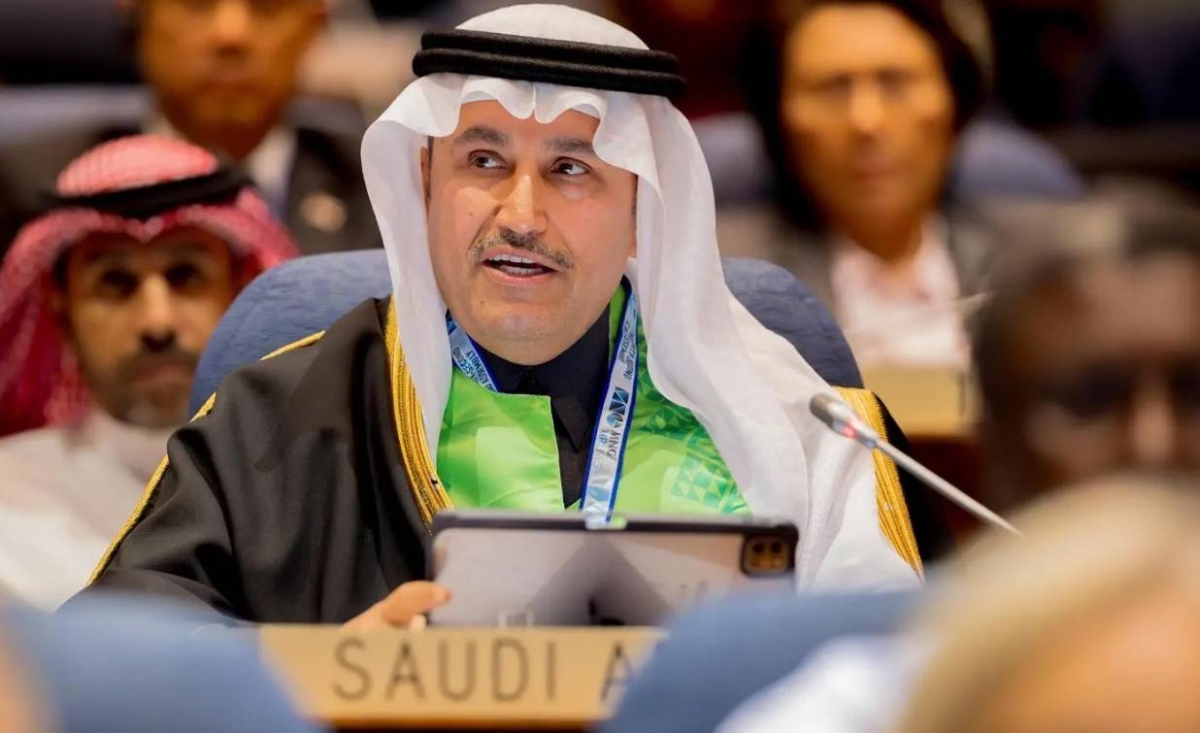
أعلن وزير النقل والخدمات اللوجستية رئيس مجلس إدارة الهيئة العامة للطيران المدني المهندس صالح بن ناصر الجاسر عن تبرع خادم الحرمين الشريفين الملك سلمان بن عبدالعزيز آل سعود بمبلغ مليون دولار أمريكي دعمًا لمنظمة الطيران المدني الدولي (الإيكو) لدعم ذات الهدف الإستراتيجي لبرنامج «عدم ترك أي دولة خلف الركب» للدورة الحالية (2025-2028)، الهادف إلى مساعدة الدول النامية على تطبيق القواعد القياسية والأساليب الموصي بها الخاصة بسلامة وأمن الطيران المدني.
وأكد المهندس الجاسر أن المملكة تقوم بدور ريادي في تطوير الإستراتيجيات ورسم ملامح قطاع الطيران العالمي، عبر مساهمتها الفاعلة والبناءة في أعمال مجلس المنظمة ومفوضية الملاحة الجوية واللّجان والفرق المنضوية تحتهما، إضافة إلى ترؤسها للعديد من اللّجان وفرق العمل الدوليّة والإقليمية.
وقال المهندس الجاسر خلال ترؤسه الوفد رفيع المستوى في افتتاح أعمال الجمعية العمومية الـ 42 لمنظمة «الإيكو» بحضور رئيس الهيئة العامة للطيران المدني عبدالعزيز بن عبدالله الدعيج، للفترة من 23 سبتمبر - 3 أكتوبر بمونتريال في كندا: إن المملكة تُمثل اليوم قوة مؤثرة في حركة الطيران المدني على الصعيدين الإقليمي والدولي، وتتمتع بتنافسية عالية في البنية التحتية والتكنولوجية المرتبطة بهذا القطاع الحيوي، بالإضافة إلى تصنيف المملكة ضمن المراتب الأولى عالميًا في معايير سلامة وأمن الطيران، في ظل رؤية وتوجيهات القيادة الرشيدة التي أسهمت في بناء قطاع طيران قوي وقادر على المنافسة.
وأضاف: إن المملكة ترتبط بعلاقات تعاون وطيدة مع منظمة الطيران المدني «الإيكو»، وأسهمت بفاعلية في تطوير السياسات والممارسات التي تُسهم في جعل الطيران أكثر أمانًا وانتظامًا على الصعيد الدولي، وتحرص على دعم جميع جهود المنظمة الرامية إلى تعزيز كفاءة وسلامة وأمن بيئة الطيران الدولي، مشيرًا إلى أن السنوات الماضية شهدت تواجدًا قويًا للخبرات والكفاءات السعودية ضمن فرق العمل الفنية واللجان التابعة للمنظمة، وكانت جزءًا من صناعة القرار وتطوير الحلول الخاصة بالتعامل مع مختلف التحديات التي تواجه صناعة الطيران.
وأبان المهندس الجاسر أن المملكة دأبت خلال الأعوام الماضية على استضافة العديد من المؤتمرات الدولية منها: النسخة الأكبر من مؤتمر مفاوضات الخدمات النقل الجوي (ICAN23) بمشاركة 700 مسؤول من 97 دولة وتوقيع أكثر من 500 اتفاقية، إضافة إلى استضافة القمة العالمية لتسهيلات النقل الجوي 2024، مُساهمة في توحيد الجهود وجمع الشركاء لتعزيز التعاون والتكامل المُستدام.
وفي إطار رؤية السعودية 2030 أطلقت المملكة برنامج الطيران المنبثق عن الإستراتيجية الوطنية للنقل والخدمات اللوجستية، وهو أحد أكثر البرامج طموحًا على مستوى العالم، الذي يهدف إلى نقل أكثر من 330 مليون مسافر سنويًا بحلول عام 2030، وربط المملكة بـ 250 وجهة دولية، واستقطاب استثمارات تفوق 100 مليار دولار، إضافة إلى تطوير البنية التحتية، منها مطار الملك سلمان الدولي بسعة 120 مليون مسافر، ومطار الملك عبدالعزيز الدولي بجدة، ومطار أبها الدولي، ومطارات سياحية مستدامة مثل مطار البحر الأحمر، وتوسيع أسطول الناقلات الوطنية بأكثر من 550 طائرة جديدة.
وعلى صعيد الطيران المحلي؛ فإن قطاع الطيران يُعد محركًا رئيسيًا للنمو، ومؤثرًا في الناتج المحلي الإجمالي بما يزيد على 53 مليار دولار، إلى جانب توفير نحو مليون فرصة عمل، مع خطط لتأهيل أكثر من 50 ألف مهني في القطاع بحلول عام 2030 تشمل الطيارين، والمراقبين الجويين، والمفتشين، والمهندسين، لافتًا إلى أن هذه الرؤية المتكاملة لا تخدم مصالح المملكة فحسب، بل تتجاوز حدود الوطن وتُسهم في دفع عجلة التكامل والربط الجوي العالمي، بما يتماشى مع الأهداف الإستراتيجية لمنظمة «الإيكو».
وبين المهندس الجاسر أن المملكة تؤمن بمبدأ التعاون والشراكة الفاعلة بين الدول كافة، لا سيما الدول النامية؛ بهدف تحقيق قطاع طيران عالمي مزدهر في منظومة الطيران المدني الدولي، ومن هذا المنطلق فقد ساهمت المملكة بمليون دولار في كل دورة ثلاثية للمنظمة لدعم هدف منظمة الإيكو الإستراتيجي «عدم ترك أي دولة خلف الركب»، وذلك في الأعوام 2016 و2019 و2022.
وبين أنه في مجال بناء القدرات البشرية دُرِب أكثر من 1423 متخصصًا في أمن الطيران من 11 دولة، إضافة إلى 254 متخصصًا من 16 دولة عبر الأكاديمية السعودية للطيران المدني في دورة الجمعية الحالية، وفي إطار برامج معتمدة من «الإيكو» مثل TRAINAIR PLUS، إلى جانب إعارة المملكة 6 من خبرائها لمنظمة الطيران المدني ليكونوا جزءًا من صناعة السياسات العالمية في قطاع الطيران المدني.
وتحقيقًا للهدف العالمي الطموح طويل الأجل للوصول لصافي انبعاثات صفري في عام 2050؛ بين المهندس الجاسر أن المملكة تلتزم بالاستثمار في تطوير بنية تحتية منخفضة الكربون، وتحديث أساطيل شركاتها الوطنية وتحسين العمليات التشغيلية في مطاراتها وأجوائها وتسريع التحول نحو أنواع وقود الطيران منخفض الكربون (LCAF) ووقود الطيران المستدام (SAF)، ومصادر الطاقة الأنظف، مشيرًا إلى أن المملكة كانت من أوائل الدول المُنضمّة لمخطط التعويض عن الكربون وخفضه للطيران المدني الدولي (كروسيا)، وذلك منذ اعتماده في أواخر عام 2016.
وأطلقت الهيئة العامة للطيران المدني برنامج الاستدامة البيئية للطيران السعودي، الذي يُعد مرجعًا محليًا وإقليميًا، ويدعم المبادئ البيئية لمبادرة السعودية الخضراء؛ وفي هذا السياق، يُعد مطار البحر الأحمر الدولي نموذجًا عالميًا في الاستدامة، كأول مطار يعمل بشكل كامل بالطاقة المتجددة ويُزود وقود الطيران المستدام لجميع شركات الطيران، كما شهد عام 2024 تجربة التاكسي الجوي ذاتي القيادة لدعم حركة حجاج بيت الله الحرام، بما يعكس التزام المملكة بتسخير جميع الإمكانات والابتكار لخدمة الإنسان والبيئة.
وفي إطار تعزيز التكامل الإقليمي العربي، أفاد الجاسر أن المملكة تفخر برئاستها الحالية للمجلس التنفيذي للمنظمة العربية للطيران المدني، وقيادتها للجنة أمن الطيران فيها، واستضافتها لـ منتدى أمن الطيران العربي 2024، إلى جانب احتضان المملكة المقر الرسمي للبرنامج التعاوني لأمن الطيران في الشرق الأوسط، وإسهامها بدور محوري في تأسيس المنظمة الإقليمية لمراقبة السلامة الجوية في الشرق الأوسط وشمال أفريقيا، وتقديمها دعمًا ماليًا بقيمة مليوني دولار لضمان استدامة أعمالها بين عامي 2024 و 2026، ومشاركة المملكة كعضو في مفوضية الملاحة الجوية، التي تختص بتعزيز سلامة الطيران المدني.
وفي ختام كلمته، دعا المهندس الجاسر ممثلي الدول الأعضاء والمشاركين، إلى المشاركة في النسخة الرابعة من مؤتمر مستقبل الطيران الذي تقيمه المملكة العربية السعودية خلال الفترة من 20-22 أبريل من عام 2026 في مدينة الرياض تحت رعاية خادم الحرمين الشريفين الملك سلمان بن عبدالعزيز آل سعود مُتطلعًا إلى مشاركة الجميع في هذا الحدث الدولي المهم والأضخم على مستوى المنطقة؛ الذي يعكس الجهود المبذولة في دعم التنمية المستدامة في قطاع الطيران، وتعزيز مسيرة التطوير والابتكار في صناعة الطيران دوليًا.
The Minister of Transport and Logistics Services, Chairman of the Board of Directors of the General Authority of Civil Aviation, Engineer Saleh bin Nasser Al-Jasser, announced the donation of one million US dollars by the Custodian of the Two Holy Mosques, King Salman bin Abdulaziz Al Saud, in support of the International Civil Aviation Organization (ICAO) to support the strategic goal of the "No Country Left Behind" program for the current cycle (2025-2028), which aims to assist developing countries in implementing the recommended safety and security standards and practices for civil aviation.
Engineer Al-Jasser confirmed that the Kingdom plays a leading role in developing strategies and shaping the features of the global aviation sector, through its effective and constructive contribution to the work of the organization's council, the Air Navigation Commission, and the committees and teams under them, in addition to its chairmanship of many international and regional committees and working groups.
During his chairmanship of the high-level delegation at the opening of the 42nd General Assembly of the ICAO, attended by the Chairman of the General Authority of Civil Aviation, Abdulaziz bin Abdullah Al-Duaij, from September 23 to October 3 in Montreal, Canada, Engineer Al-Jasser stated that the Kingdom today represents an influential force in civil aviation at both the regional and international levels, enjoying high competitiveness in the infrastructure and technology related to this vital sector, in addition to the Kingdom's classification among the top ranks globally in aviation safety and security standards, under the vision and directives of the wise leadership that contributed to building a strong and competitive aviation sector.
He added that the Kingdom has strong cooperative relations with the ICAO and has actively contributed to developing policies and practices that help make aviation safer and more orderly internationally, and is keen to support all the organization's efforts aimed at enhancing the efficiency, safety, and security of the international aviation environment, noting that the past years have seen a strong presence of Saudi expertise and competencies within the technical working groups and committees of the organization, and they have been part of the decision-making process and the development of solutions to deal with various challenges facing the aviation industry.
Engineer Al-Jasser indicated that the Kingdom has hosted many international conferences over the past years, including the largest version of the Air Transport Services Negotiation Conference (ICAN23) with the participation of 700 officials from 97 countries and the signing of more than 500 agreements, in addition to hosting the Global Air Transport Facilitation Summit 2024, contributing to unifying efforts and bringing partners together to enhance sustainable cooperation and integration.
As part of Saudi Vision 2030, the Kingdom launched the Aviation Program derived from the National Transport and Logistics Strategy, which is one of the most ambitious programs globally, aiming to transport more than 330 million passengers annually by 2030, connecting the Kingdom to 250 international destinations, attracting investments exceeding 100 billion dollars, in addition to developing infrastructure, including King Salman International Airport with a capacity of 120 million passengers, King Abdulaziz International Airport in Jeddah, Abha International Airport, and sustainable tourist airports such as the Red Sea Airport, and expanding the national carriers' fleet with more than 550 new aircraft.
In terms of domestic aviation, the aviation sector is considered a major driver of growth, influencing the GDP by more than 53 billion dollars, alongside providing nearly one million job opportunities, with plans to qualify more than 50,000 professionals in the sector by 2030, including pilots, air traffic controllers, inspectors, and engineers, noting that this integrated vision serves not only the interests of the Kingdom but also transcends national borders and contributes to advancing global air integration and connectivity, in line with the strategic goals of the ICAO.
Engineer Al-Jasser stated that the Kingdom believes in the principle of effective cooperation and partnership among all countries, especially developing countries, with the aim of achieving a prosperous global aviation sector within the international civil aviation system. From this standpoint, the Kingdom has contributed one million dollars in each triennial cycle of the organization to support the ICAO's strategic goal of "No Country Left Behind," in the years 2016, 2019, and 2022.
He noted that in the field of building human capacities, more than 1,423 aviation security specialists from 11 countries have been trained, in addition to 254 specialists from 16 countries through the Saudi Academy of Civil Aviation in the current assembly cycle, within programs accredited by the ICAO such as TRAINAIR PLUS, alongside the secondment of 6 of the Kingdom's experts to the civil aviation organization to be part of the global policy-making in the civil aviation sector.
To achieve the ambitious long-term global goal of reaching net-zero emissions by 2050, Engineer Al-Jasser stated that the Kingdom is committed to investing in developing low-carbon infrastructure, modernizing the fleets of its national companies, improving operational processes at its airports and airspace, and accelerating the transition to low-carbon aviation fuels (LCAF) and sustainable aviation fuel (SAF), as well as cleaner energy sources, noting that the Kingdom was one of the first countries to join the Carbon Offsetting and Reduction Scheme for International Aviation (CORSIA) since its adoption in late 2016.
The General Authority of Civil Aviation launched the Environmental Sustainability Program for Saudi Aviation, which serves as a local and regional reference, supporting the environmental principles of the Saudi Green Initiative; in this context, the Red Sea International Airport is considered a global model for sustainability, being the first airport to operate entirely on renewable energy and supply sustainable aviation fuel to all airlines. The year 2024 also witnessed the experience of autonomous air taxis to support the movement of pilgrims to the Sacred House of Allah, reflecting the Kingdom's commitment to harnessing all capabilities and innovation to serve humanity and the environment.
In the context of enhancing Arab regional integration, Al-Jasser stated that the Kingdom is proud of its current presidency of the Executive Council of the Arab Civil Aviation Organization, leading the Aviation Security Committee within it, hosting the Arab Aviation Security Forum 2024, alongside hosting the official headquarters of the Cooperative Aviation Security Program in the Middle East, and its pivotal role in establishing the regional organization for air safety monitoring in the Middle East and North Africa, providing financial support of two million dollars to ensure the sustainability of its operations between 2024 and 2026, and the Kingdom's participation as a member of the Air Navigation Commission, which is responsible for enhancing civil aviation safety.
In conclusion, Engineer Al-Jasser invited representatives of member states and participants to participate in the fourth edition of the Future of Aviation Conference, which will be held by the Kingdom of Saudi Arabia from April 20-22, 2026, in Riyadh under the patronage of the Custodian of the Two Holy Mosques, King Salman bin Abdulaziz Al Saud, looking forward to everyone's participation in this important and largest international event in the region; which reflects the efforts made to support sustainable development in the aviation sector and enhance the development and innovation journey in the aviation industry internationally.