يخطو العالم خطوات متسارعة نحو التحوّل للطاقة النظيفة، ويعد معدن الليثيوم من أهم المعادن الضرورية للتحوّل الطاقي، لكونه عنصراً أساسياً في صناعة بطاريات المركبات الكهربائية، وأنظمة تخزين الطاقة المتجددة، ومنها طاقة الرياح والطاقة الشمسية.
وتسابق المملكة الزمن لإنتاج الليثيوم «الذهب الأبيض»، وتطوير تقنيات جديدة لاستخراجه، وتستهدف أن تصبح لاعباً رئيسياً في السوق العالمية لليثيوم بحلول عام 2027، وخططها الطموحة لتوطين صناعة السيارات الكهربائية، وتوطين تقنيات الطاقة المتجددة، بما يعزز التنوع الاقتصادي للمملكة، وفقاً لرؤية 2030.
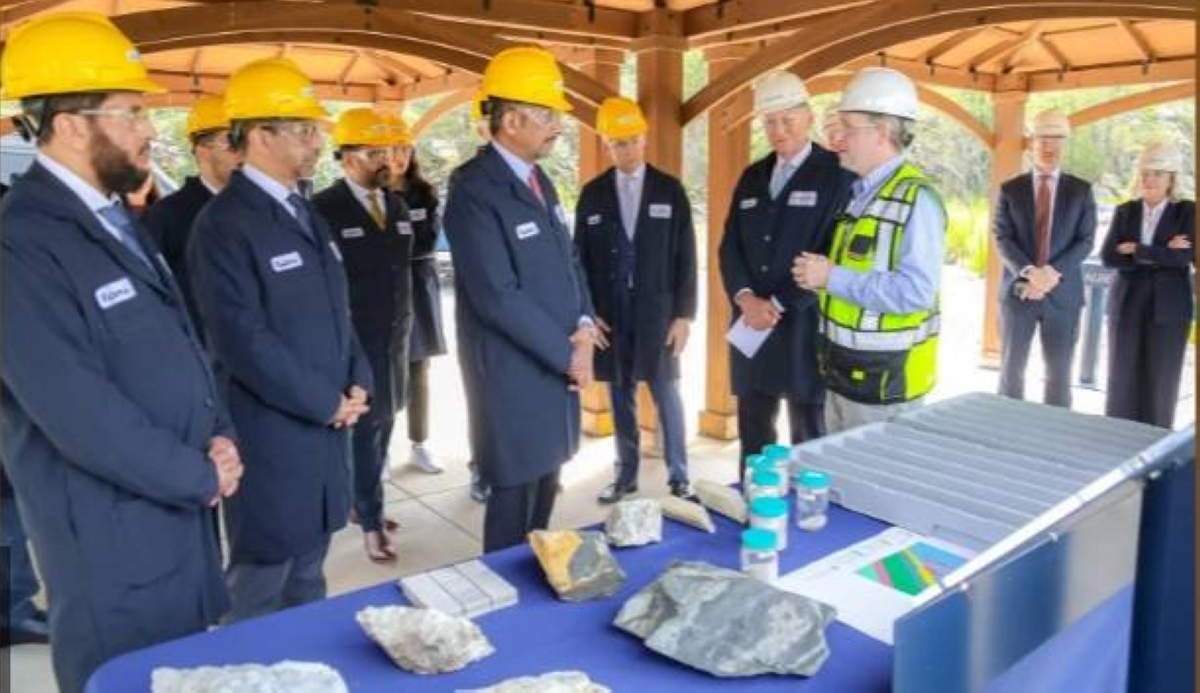
وركزت الزيارة الرسمية الحالية لوزير الصناعة والثروة المعدنية بندر الخريف إلى الولايات المتحدة الأمريكية، على تطوير الشراكات الإستراتيجية في مجال نقل أحدث التقنيات المستخدمة في استخراج ومعالجة المعادن، والتقى عدداً من كبار منتجي الليثيوم، ورواد تقنياته، وناقش معهم الفرص المتبادلة في المعادن الحرجة الضرورية في تحول الطاقة، وإنتاج بطاريات السيارات الكهربائية، وتمكين التحول الصناعي في المملكة.
وتضمنت اجتماعات الخريف بعدة مسؤولين حكوميين وقادة لشركات تعدينية بارزة في إنتاج الليثيوم، ومنها اجتماعه بوزير الطاقة الأمريكي كريس رايت، الذي يعد اللقاء الأول منذ توقيع مذكرة التعاون بين الطرفين حول المعادن الحرجة في مايو الماضي، واجتماعاته مع الرؤساء التنفيذيين لعدة شركات عالمية رائدة وأكبر منتج لليثيوم في العالم، على تقنيات الاستخلاص المتقدم لليثيوم.
ويُعد الليثيوم عنصراً رئيسياً لتحقيق هدف المملكة بإنتاج 300 ألف مركبة كهربائية سنوياً بحلول عام 2030، وفي عام 2024، حققت المملكة إنجازاً بارزاً من خلال استخلاص الليثيوم من الرجيع الملحي في حقول النفط، وهو مصدر جديد ومستدام، وكشفت أبحاث جامعة الملك عبدالله للعلوم والتقنية «كاوست» طرقاً مبتكرة لاستخلاص الليثيوم من مياه البحر، وهو ما يعزز القدرة على تلبية احتياجات قطاع المركبات الكهربائية المتنامي.
ومن المتوقع أن يتضاعف الطلب العالمي على بطاريات «الليثيوم-أيون» بنحو 5 أضعاف، ليصل إلى قدرة إنتاجية تبلغ 5500 جيجا واط/ساعة بحلول عام 2030، مدفوعاً بالنمو السريع في صناعة المركبات الكهربائية وحلول تخزين الطاقة.
وفي هذا السياق، تشارك الولايات المتحدة الأمريكية التي تمتلك جزءاً مهماً من احتياطيات الليثيوم في العالم؛ المملكةَ رؤيتها لبناء سلاسل إمداد آمنة ومستدامة لهذا القطاع الحيوي.
وترسم الإستراتيجية الشاملة للتعدين في المملكة، خارطة طريق لتحويل القطاع ليصبح من الركائز الأساسية للتنويع الاقتصادي، مستهدفة رفع مساهمته في الناتج المحلي الإجمالي إلى 64 مليار دولار بحلول عام 2030، وبما تملكه المملكة من ثروة معدنية تُقدَّر بنحو 2.5 تريليون دولار، فإنها تسعى لترسيخ مكانتها بصفتها مورداً عالمياً للمعادن الحرجة، مع تطوير الصناعات التحويلية المرتبطة بها، مثل السيارات الكهربائية، وقطاع الطيران، والتقنيات المتقدمة.
تعزّز الشراكات وتنقل التقنيات.. المملكة مركز عالمي لإنتاج الليثيوم
30 أغسطس 2025 - 17:30
|
آخر تحديث 30 أغسطس 2025 - 17:30


تابع قناة عكاظ على الواتساب
«عكاظ» (واشنطن)
The world is making rapid strides towards the transition to clean energy, and lithium is one of the most essential minerals necessary for this energy transition, as it is a key component in the production of electric vehicle batteries and renewable energy storage systems, including wind and solar energy.
The Kingdom is racing against time to produce lithium, the "white gold," and to develop new extraction technologies, aiming to become a major player in the global lithium market by 2027, along with its ambitious plans to localize the electric vehicle industry and renewable energy technologies, thereby enhancing the Kingdom's economic diversification, in line with Vision 2030.
The current official visit of the Minister of Industry and Mineral Resources, Bandar Al-Khorayef, to the United States focuses on developing strategic partnerships in the field of transferring the latest technologies used in the extraction and processing of minerals. He met with several major lithium producers and technology pioneers, discussing mutual opportunities in critical minerals essential for the energy transition, electric vehicle battery production, and enabling industrial transformation in the Kingdom.
Al-Khorayef's meetings included several government officials and leaders of prominent mining companies in lithium production, including his meeting with U.S. Energy Secretary Chris Wright, which was the first meeting since the signing of the cooperation memorandum between the two parties regarding critical minerals last May, as well as his meetings with CEOs of several leading global companies and the largest lithium producer in the world, focusing on advanced lithium extraction technologies.
Lithium is a key element in achieving the Kingdom's goal of producing 300,000 electric vehicles annually by 2030. In 2024, the Kingdom achieved a significant milestone by extracting lithium from saline tailings in oil fields, which is a new and sustainable source. Research from King Abdullah University of Science and Technology (KAUST) revealed innovative methods for extracting lithium from seawater, enhancing the ability to meet the growing needs of the electric vehicle sector.
Global demand for lithium-ion batteries is expected to increase approximately fivefold, reaching a production capacity of 5,500 gigawatt-hours by 2030, driven by rapid growth in the electric vehicle industry and energy storage solutions.
In this context, the United States, which holds a significant portion of the world's lithium reserves, shares with the Kingdom its vision for building secure and sustainable supply chains for this vital sector.
The comprehensive mining strategy in the Kingdom outlines a roadmap to transform the sector into a fundamental pillar of economic diversification, targeting an increase in its contribution to GDP to $64 billion by 2030. With the Kingdom's mineral wealth estimated at around $2.5 trillion, it seeks to establish itself as a global supplier of critical minerals while developing related manufacturing industries, such as electric vehicles, the aviation sector, and advanced technologies.
The Kingdom is racing against time to produce lithium, the "white gold," and to develop new extraction technologies, aiming to become a major player in the global lithium market by 2027, along with its ambitious plans to localize the electric vehicle industry and renewable energy technologies, thereby enhancing the Kingdom's economic diversification, in line with Vision 2030.
The current official visit of the Minister of Industry and Mineral Resources, Bandar Al-Khorayef, to the United States focuses on developing strategic partnerships in the field of transferring the latest technologies used in the extraction and processing of minerals. He met with several major lithium producers and technology pioneers, discussing mutual opportunities in critical minerals essential for the energy transition, electric vehicle battery production, and enabling industrial transformation in the Kingdom.
Al-Khorayef's meetings included several government officials and leaders of prominent mining companies in lithium production, including his meeting with U.S. Energy Secretary Chris Wright, which was the first meeting since the signing of the cooperation memorandum between the two parties regarding critical minerals last May, as well as his meetings with CEOs of several leading global companies and the largest lithium producer in the world, focusing on advanced lithium extraction technologies.
Lithium is a key element in achieving the Kingdom's goal of producing 300,000 electric vehicles annually by 2030. In 2024, the Kingdom achieved a significant milestone by extracting lithium from saline tailings in oil fields, which is a new and sustainable source. Research from King Abdullah University of Science and Technology (KAUST) revealed innovative methods for extracting lithium from seawater, enhancing the ability to meet the growing needs of the electric vehicle sector.
Global demand for lithium-ion batteries is expected to increase approximately fivefold, reaching a production capacity of 5,500 gigawatt-hours by 2030, driven by rapid growth in the electric vehicle industry and energy storage solutions.
In this context, the United States, which holds a significant portion of the world's lithium reserves, shares with the Kingdom its vision for building secure and sustainable supply chains for this vital sector.
The comprehensive mining strategy in the Kingdom outlines a roadmap to transform the sector into a fundamental pillar of economic diversification, targeting an increase in its contribution to GDP to $64 billion by 2030. With the Kingdom's mineral wealth estimated at around $2.5 trillion, it seeks to establish itself as a global supplier of critical minerals while developing related manufacturing industries, such as electric vehicles, the aviation sector, and advanced technologies.