أكد رئيس اتحاد غرف التجارة السوري علاء العلي لـ «عكاظ»، أن السعودية تمثل شريكاً استراتيجياً لسورية؛ بفضل دورها القيادي وموقعها الاقتصادي المحوري في العالم العربي. وأشار إلى أن سورية بلد الفرص والإمكانات الواعدة، وتمر حالياً بمرحلة إعادة بناء تستدعي التعاون العربي خصوصاً الخليجي. وأوضح، أنه من بين الخطط المهمة إنشاء منصة إلكترونية مشتركة لتسهيل التواصل وتبادل الفرص بين رجال الأعمال في السعودية وسورية، إضافة لمتابعة تنفيذ مشاريع مشتركة في مجالات الزراعة والصناعة، لافتاً إلى وجود شركات سعودية بدأت بالفعل دراسة فرص الاستثمار داخل سورية، وفي ما يلي نص الحوار:
• كيف تقيّمون دور اتحاد غرف التجارة السورية في المرحلة الحالية؟
•• نؤمن بأن اتحاد غرف التجارة السورية هو ركيزة أساسية في مسيرة التعافي الاقتصادي، خصوصاً أننا واجهنا تحدياً كبيراً في إعادة بناء القطاع التجاري، باعتباره محركاً رئيسياً للنمو الوطني، وقد بدأنا بإعادة تفعيل غرف التجارة في المحافظات كافة، وركزنا على توحيد جهود التجار ورجال الأعمال المحليين لتنشيط الحركة الاقتصادية، كما عملنا على إعادة هيكلة الاتحاد، وتعزيز كفاءاته الإدارية، وإطلاق مبادرات تستهدف دعم القطاع الخاص، إضافة إلى تنظيم ورش عمل ومؤتمرات لتبادل الخبرات، وإطلاق برامج لدعم المشاريع الصغيرة والمتوسطة التي تُعد محركاً رئيسياً لخلق فرص العمل.
تحديات المرحلة
• ما أبرز التحديات التي واجهتموها في تلك المرحلة، وكيف تعاملتم معها؟
•• التحديات كانت كبيرة، ويمكن تلخيصها في ثلاثة محاور رئيسية، «ضعف البنية التحتية، شح السيولة وصعوبة التمويل، تراجع ثقة المستثمرين»، ورغم هذه التحديات، تمكنّا عبر التعاون مع الجهات الحكومية والمؤسسات المالية المحلية من إطلاق مبادرات لدعم رجال الأعمال، كما أجرينا حوارات مستمرة مع المصارف لإيجاد حلول تمويلية مناسبة، وأطلقنا حملات لدعم السوق المحلية، مع التركيز على استعادة الثقة بين مختلف الأطراف.
• كيف ساهم الاتحاد في فتح قنوات التعاون التجاري مع الدول العربية، خصوصاً مع المملكة العربية السعودية؟
•• منذ البداية، حرصنا على تعزيز العلاقات الاقتصادية مع الدول العربية، والسعودية خصوصاً؛ نظراً لمكانتها الاقتصادية ودورها الإقليمي، وشجعنا رجال الأعمال في البلدين على إقامة شراكات تخدم مصالح الجانبين، وتكللت الجهود بزيارات رسمية متبادلة بين مسؤولي البلدين لتفعيل التعاون الاقتصادي، وتم فتح خطوط تواصل مباشرة مع اتحاد الغرف السعودية والهيئات الاقتصادية هناك، كما عملنا على تهيئة بيئة استثمارية جاذبة من خلال تبسيط الإجراءات وتقديم الحوافز، وهو توجه يشمل أيضاً دول الجوار.
• ماذا عن الاستثمارات السعودية المباشرة في سورية؟
•• الملتقى الاستثماري السعودي السوري، الذي عُقد في دمشق خلال يوليو الماضي، شكّل علامة فارقة في التعاون الثنائي، وأسفر الملتقى عن توقيع 47 اتفاقية استثمارية بقيمة تُقدّر بـ 6.4 مليار دولار(24 مليار ريال)؛ ما يعكس رغبة مشتركة في دعم مرحلة إعادة الإعمار. وشملت الاتفاقيات قطاعات إستراتيجية متعددة مثل الطاقة، والبنية التحتية، والاتصالات، والتعليم، والصحة، والمالية، والزراعة، وأمن التكنولوجيا.
الاتفاقيات والمبادرات
• هل يمكنكم الحديث عن الاتفاقيات أو المبادرات، التي تم توقيعها أخيراً مع اتحاد الغرف السعودية؟
•• نحن في المرحلة الأخيرة من توقيع مذكرات تفاهم مهمة مع اتحاد الغرف السعودية، من بينها مذكرة تتعلق بقطاع الامتياز التجاري، كما نعمل على تنظيم زيارات متبادلة لوفود اقتصادية، وإقامة معارض مشتركة، وتشكيل لجان ثنائية لدراسة فرص الاستثمار.
ومن بين الخطط المهمة أيضاً، إنشاء منصة إلكترونية مشتركة لتسهيل التواصل وتبادل الفرص بين رجال الأعمال في البلدين. كما نتابع تنفيذ مشاريع مشتركة في مجالات الزراعة والصناعة، وهناك شركات سعودية بدأت بالفعل دراسة فرص الاستثمار داخل سورية.
• كيف ترون مستقبل الاقتصاد السوري في ظل الانفتاح التدريجي على الأسواق الخارجية؟
•• نحن متفائلون للغاية، خصوصاً أن المرحلة القادمة ستكون مرحلة بناء وتطوير حقيقي، والفرص متاحة للنمو، في ظل الجهود لتحسين المناخ الاستثماري، ونحن كاتحاد غرف التجارة نعمل على دعم هذه الجهود بكل الإمكانات، ونركز حالياً على تعزيز الشراكات العربية والإقليمية، ونعمل على جعل سورية مركزاً اقتصادياً إقليمياً مستفيدين من موقعها الجغرافي ومواردها المتنوعة، كما أن الاستثمار في التكنولوجيا والابتكار سيكون جزءاً أساسياً من إستراتيجيتنا المستقبلية.
رئيس اتحاد غرف التجارة السوري لـ«عكاظ»:
منصة إلكترونية بين السعودية وسورية لتسهيل التبادل التجاري
18 أغسطس 2025 - 20:28
|
آخر تحديث 18 أغسطس 2025 - 20:28
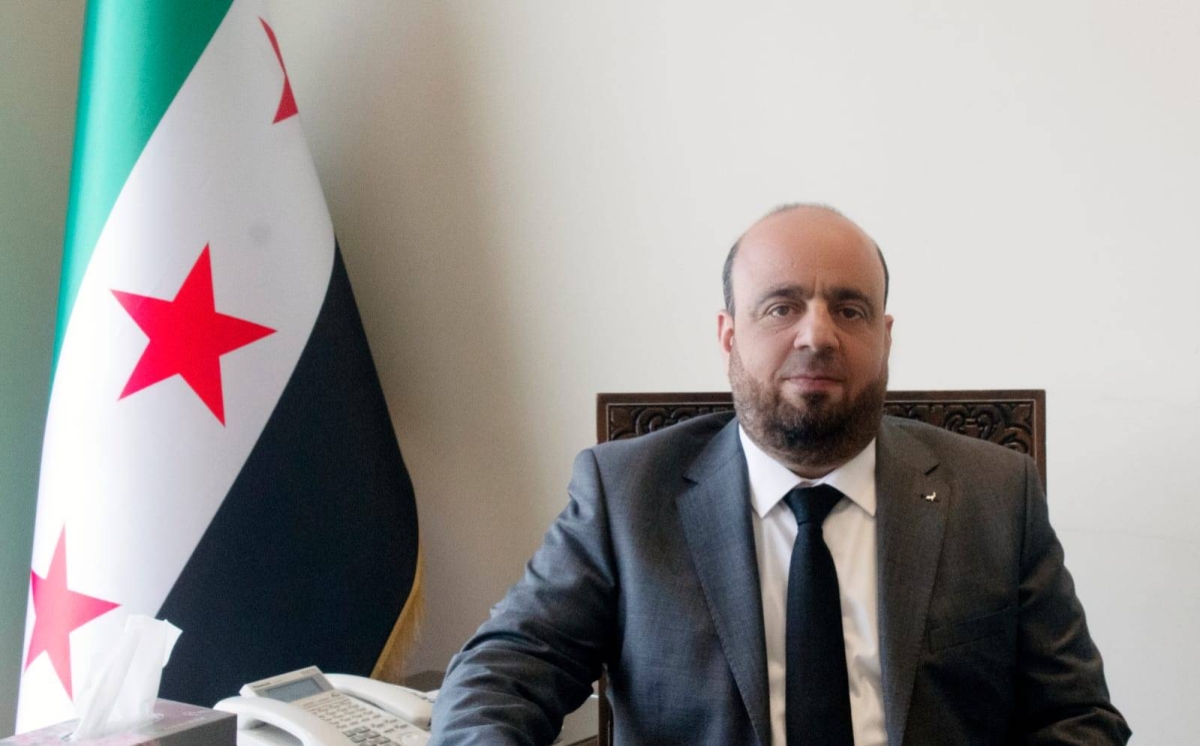
علاء العلي


تابع قناة عكاظ على الواتساب
حاوره: زياد عيتاني ziaditani23@
The President of the Syrian Federation of Chambers of Commerce, Alaa Al-Ali, confirmed to "Okaz" that Saudi Arabia represents a strategic partner for Syria, thanks to its leadership role and its pivotal economic position in the Arab world. He pointed out that Syria is a land of opportunities and promising potentials, currently undergoing a reconstruction phase that calls for Arab cooperation, especially from the Gulf. He explained that among the important plans is the establishment of a joint electronic platform to facilitate communication and exchange opportunities between businessmen in Saudi Arabia and Syria, in addition to following up on the implementation of joint projects in agriculture and industry, noting that there are Saudi companies that have already begun studying investment opportunities within Syria. Below is the text of the interview:
• How do you assess the role of the Syrian Federation of Chambers of Commerce in the current phase?
•• We believe that the Syrian Federation of Chambers of Commerce is a fundamental pillar in the journey of economic recovery, especially since we faced a significant challenge in rebuilding the commercial sector, as it is a main driver of national growth. We have started to reactivate the chambers of commerce in all provinces and focused on unifying the efforts of local traders and businessmen to stimulate economic activity. We also worked on restructuring the federation, enhancing its administrative capabilities, launching initiatives aimed at supporting the private sector, organizing workshops and conferences to exchange experiences, and launching programs to support small and medium-sized enterprises, which are a main driver for creating job opportunities.
Challenges of the Phase
• What are the main challenges you faced during that phase, and how did you deal with them?
•• The challenges were significant and can be summarized in three main axes: "weak infrastructure, liquidity shortages and difficulty in financing, and declining investor confidence." Despite these challenges, we managed, through cooperation with government entities and local financial institutions, to launch initiatives to support businessmen. We also held continuous dialogues with banks to find suitable financing solutions and launched campaigns to support the local market, focusing on restoring confidence among various parties.
• How did the federation contribute to opening channels of commercial cooperation with Arab countries, especially with the Kingdom of Saudi Arabia?
•• From the beginning, we were keen to enhance economic relations with Arab countries, especially Saudi Arabia, due to its economic stature and regional role. We encouraged businessmen in both countries to establish partnerships that serve the interests of both sides, and our efforts culminated in mutual official visits between officials of the two countries to activate economic cooperation. Direct communication lines were opened with the Saudi Chambers Federation and economic bodies there, and we worked to create an attractive investment environment by simplifying procedures and providing incentives, a direction that also includes neighboring countries.
• What about direct Saudi investments in Syria?
•• The Saudi-Syrian Investment Forum, which was held in Damascus last July, marked a turning point in bilateral cooperation, resulting in the signing of 47 investment agreements valued at approximately $6.4 billion (24 billion riyals); reflecting a mutual desire to support the reconstruction phase. The agreements covered multiple strategic sectors such as energy, infrastructure, telecommunications, education, health, finance, agriculture, and technology security.
Agreements and Initiatives
• Can you talk about the agreements or initiatives that have recently been signed with the Saudi Chambers Federation?
•• We are in the final stages of signing important memoranda of understanding with the Saudi Chambers Federation, including a memorandum related to the franchise sector. We are also working on organizing reciprocal visits for economic delegations, holding joint exhibitions, and forming bilateral committees to study investment opportunities.
Among the important plans is also the creation of a joint electronic platform to facilitate communication and exchange opportunities between businessmen in both countries. We are following up on the implementation of joint projects in agriculture and industry, and there are Saudi companies that have already begun studying investment opportunities within Syria.
• How do you see the future of the Syrian economy in light of the gradual opening to foreign markets?
•• We are very optimistic, especially since the coming phase will be a phase of real building and development, and opportunities for growth are available, in light of efforts to improve the investment climate. As the Federation of Chambers of Commerce, we are working to support these efforts with all available resources, currently focusing on enhancing Arab and regional partnerships, and we aim to make Syria a regional economic hub, benefiting from its geographical location and diverse resources. Additionally, investment in technology and innovation will be an essential part of our future strategy.
• How do you assess the role of the Syrian Federation of Chambers of Commerce in the current phase?
•• We believe that the Syrian Federation of Chambers of Commerce is a fundamental pillar in the journey of economic recovery, especially since we faced a significant challenge in rebuilding the commercial sector, as it is a main driver of national growth. We have started to reactivate the chambers of commerce in all provinces and focused on unifying the efforts of local traders and businessmen to stimulate economic activity. We also worked on restructuring the federation, enhancing its administrative capabilities, launching initiatives aimed at supporting the private sector, organizing workshops and conferences to exchange experiences, and launching programs to support small and medium-sized enterprises, which are a main driver for creating job opportunities.
Challenges of the Phase
• What are the main challenges you faced during that phase, and how did you deal with them?
•• The challenges were significant and can be summarized in three main axes: "weak infrastructure, liquidity shortages and difficulty in financing, and declining investor confidence." Despite these challenges, we managed, through cooperation with government entities and local financial institutions, to launch initiatives to support businessmen. We also held continuous dialogues with banks to find suitable financing solutions and launched campaigns to support the local market, focusing on restoring confidence among various parties.
• How did the federation contribute to opening channels of commercial cooperation with Arab countries, especially with the Kingdom of Saudi Arabia?
•• From the beginning, we were keen to enhance economic relations with Arab countries, especially Saudi Arabia, due to its economic stature and regional role. We encouraged businessmen in both countries to establish partnerships that serve the interests of both sides, and our efforts culminated in mutual official visits between officials of the two countries to activate economic cooperation. Direct communication lines were opened with the Saudi Chambers Federation and economic bodies there, and we worked to create an attractive investment environment by simplifying procedures and providing incentives, a direction that also includes neighboring countries.
• What about direct Saudi investments in Syria?
•• The Saudi-Syrian Investment Forum, which was held in Damascus last July, marked a turning point in bilateral cooperation, resulting in the signing of 47 investment agreements valued at approximately $6.4 billion (24 billion riyals); reflecting a mutual desire to support the reconstruction phase. The agreements covered multiple strategic sectors such as energy, infrastructure, telecommunications, education, health, finance, agriculture, and technology security.
Agreements and Initiatives
• Can you talk about the agreements or initiatives that have recently been signed with the Saudi Chambers Federation?
•• We are in the final stages of signing important memoranda of understanding with the Saudi Chambers Federation, including a memorandum related to the franchise sector. We are also working on organizing reciprocal visits for economic delegations, holding joint exhibitions, and forming bilateral committees to study investment opportunities.
Among the important plans is also the creation of a joint electronic platform to facilitate communication and exchange opportunities between businessmen in both countries. We are following up on the implementation of joint projects in agriculture and industry, and there are Saudi companies that have already begun studying investment opportunities within Syria.
• How do you see the future of the Syrian economy in light of the gradual opening to foreign markets?
•• We are very optimistic, especially since the coming phase will be a phase of real building and development, and opportunities for growth are available, in light of efforts to improve the investment climate. As the Federation of Chambers of Commerce, we are working to support these efforts with all available resources, currently focusing on enhancing Arab and regional partnerships, and we aim to make Syria a regional economic hub, benefiting from its geographical location and diverse resources. Additionally, investment in technology and innovation will be an essential part of our future strategy.