


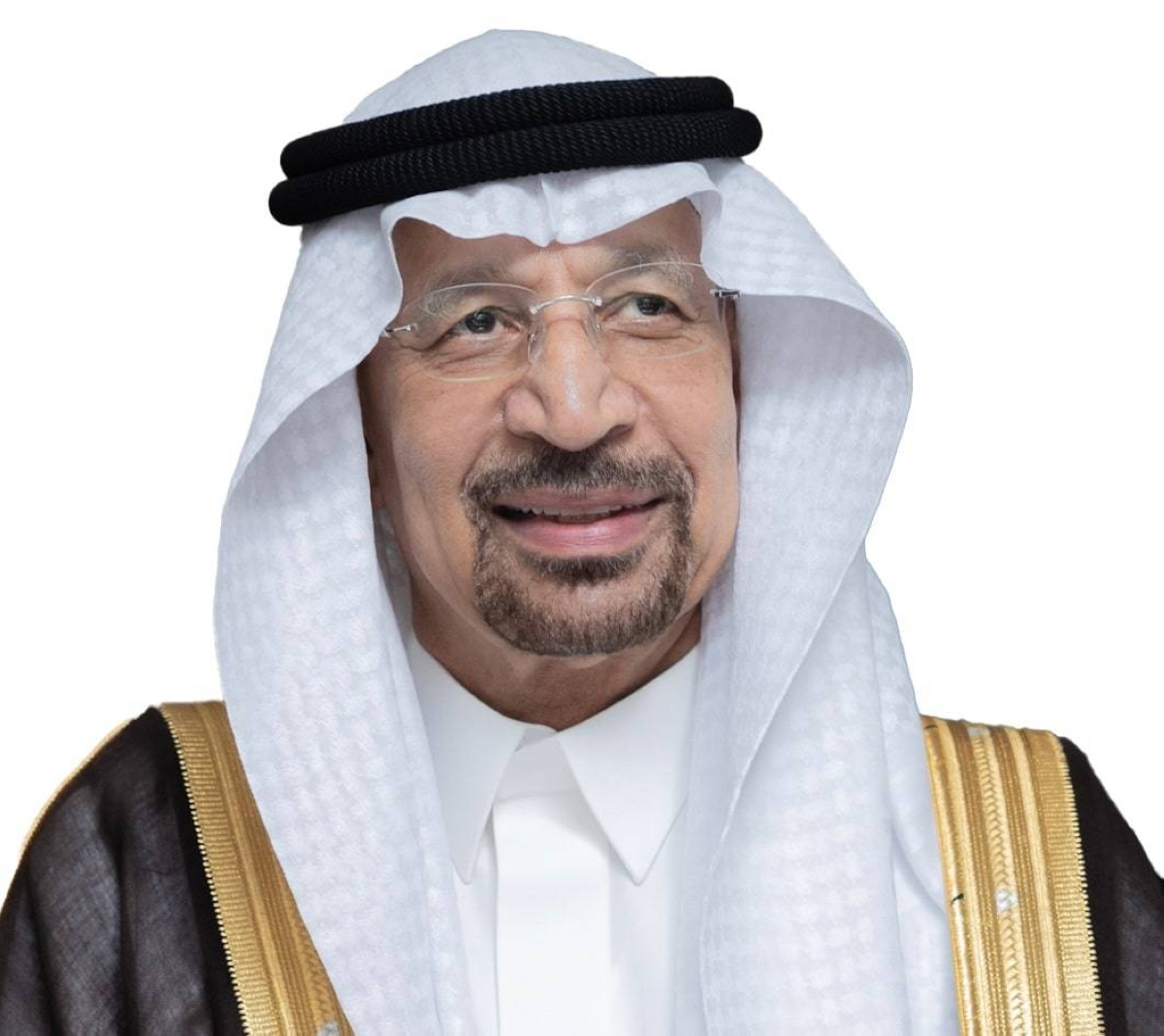
كشف وزير الاستثمار المهندس خالد الفالح دعم وزارة الاستثمار دراسة مقدمة من القطاع الخاص السعودي لتأسيس صندوق الصناديق (Fund of Funds) للاستثمارات السعودية في سورية، ليكون مرتكزاً أساسياً للعمل الاستثماري الممنهج، بما يعزز استدامة الاستثمارات المشتركة ويسرّع وتيرة تنفيذها، مع تحقيق نتائج استثنائية وأحجام تمويلية تلبي احتياجات القطاعات السورية المتنوعة.
أضاف أن انعقاد الطاولة المستديرة للأعمال بين السعودية وسورية يأتي استكمالاً للزيارة التي قام بها الوفد السعودي إلى دمشق قبل نحو 3 أسابيع، مشيراً إلى أن اللقاءات تهدف إلى تعزيز الروابط الاقتصادية والتكامل الاستثماري بين البلدين الشقيقين، بما يشمل إعادة بناء البنية التحتية السورية، وتطوير الطاقة الإنتاجية، وإيجاد فرص عمل نوعية، إلى جانب معالجة التحديات التي تواجه المستثمرين.
وأوضح الفالح أن القطاع الخاص السعودي ناضج ويدرك أن العمل في السوق السورية واعد، لكنه ليس طريقاً مفروشاً بالزهور، بل تحفه بعض التحديات التي يمكن تجاوزها بالصبر والجدية، وبدعم من الحكومة السورية عبر التسهيلات الممنوحة للمستثمرين، موضحاً أن ثمار هذه الاستثمارات ستعود في المقام الأول على الشعب السوري، مع تحقيق العائد المطلوب للقطاع الخاص السعودي.
واستعرض الفالح أبرز الاتفاقيات الاستثمارية التي تم توقيعها بين الجانبين خلال الأسابيع الماضية، ومنها مذكرة التفاهم بين سوق المال السعودية (تداول) وبورصة دمشق للأوراق المالية، حيث بدأت شركة تداول فعلياً في إعداد دراسة شاملة لجدوى مشروع إنشاء وتشغيل البورصة السورية.
وأشار إلى أن «شركة بن داود للاستثمار» استكملت توقيع اتفاقيتها المحدثة مع وزير السياحة السوري، تمهيداً لإطلاق صندوق استثماري سعودي–سوري يركز على ضخ استثمارات نوعية في قطاعات السياحة، والعقارات، والبنية التحتية، والمشاريع السياحية المشتركة، ويعمل الصندوق على جذب المزيد من المستثمرين السعوديين والدوليين للاستثمار في سورية.
الفالح: ندعم دراسة تأسيس «صندوق الصناديق» للاستثمارات السعودية في سورية
18 أغسطس 2025 - 20:22
|
آخر تحديث 18 أغسطس 2025 - 20:22


تابع قناة عكاظ على الواتساب
«عكاظ» (الرياض)
The Minister of Investment, Engineer Khalid Al-Falih, revealed that the Ministry of Investment supports a study presented by the Saudi private sector to establish a Fund of Funds for Saudi investments in Syria, aiming to be a fundamental pillar for systematic investment work, enhancing the sustainability of joint investments and accelerating their implementation, while achieving exceptional results and funding volumes that meet the needs of various Syrian sectors.
He added that the holding of the business roundtable between Saudi Arabia and Syria comes as a continuation of the visit made by the Saudi delegation to Damascus about three weeks ago, noting that the meetings aim to strengthen economic ties and investment integration between the two brotherly countries, including the reconstruction of Syrian infrastructure, developing productive capacity, creating quality job opportunities, in addition to addressing the challenges facing investors.
Al-Falih clarified that the Saudi private sector is mature and recognizes that working in the Syrian market is promising, but it is not a bed of roses; rather, it is accompanied by some challenges that can be overcome with patience and seriousness, supported by the Syrian government through the facilities granted to investors, explaining that the fruits of these investments will primarily benefit the Syrian people while achieving the desired return for the Saudi private sector.
Al-Falih reviewed the most significant investment agreements that have been signed between the two sides over the past weeks, including the memorandum of understanding between the Saudi stock market (Tadawul) and the Damascus Securities Exchange, where Tadawul has already begun preparing a comprehensive feasibility study for the project of establishing and operating the Syrian stock exchange.
He pointed out that "Bin Dawood Investment Company" has completed signing its updated agreement with the Syrian Minister of Tourism, in preparation for launching a Saudi-Syrian investment fund focused on injecting quality investments in the sectors of tourism, real estate, infrastructure, and joint tourism projects, and the fund aims to attract more Saudi and international investors to invest in Syria.
He added that the holding of the business roundtable between Saudi Arabia and Syria comes as a continuation of the visit made by the Saudi delegation to Damascus about three weeks ago, noting that the meetings aim to strengthen economic ties and investment integration between the two brotherly countries, including the reconstruction of Syrian infrastructure, developing productive capacity, creating quality job opportunities, in addition to addressing the challenges facing investors.
Al-Falih clarified that the Saudi private sector is mature and recognizes that working in the Syrian market is promising, but it is not a bed of roses; rather, it is accompanied by some challenges that can be overcome with patience and seriousness, supported by the Syrian government through the facilities granted to investors, explaining that the fruits of these investments will primarily benefit the Syrian people while achieving the desired return for the Saudi private sector.
Al-Falih reviewed the most significant investment agreements that have been signed between the two sides over the past weeks, including the memorandum of understanding between the Saudi stock market (Tadawul) and the Damascus Securities Exchange, where Tadawul has already begun preparing a comprehensive feasibility study for the project of establishing and operating the Syrian stock exchange.
He pointed out that "Bin Dawood Investment Company" has completed signing its updated agreement with the Syrian Minister of Tourism, in preparation for launching a Saudi-Syrian investment fund focused on injecting quality investments in the sectors of tourism, real estate, infrastructure, and joint tourism projects, and the fund aims to attract more Saudi and international investors to invest in Syria.


