تشهد أسواق التمور المحلية في عددٍ من المحافظات بمنطقة الرياض، حراكاً تجارياً ملحوظاً، تزامناً مع انطلاق موسم حصاد بواكير التمور، الذي يبدأ في الأول من أغسطس ويستمر حتى نهاية نوفمبر، إذ استقبلت أسواق التمور المحلية بواكير الأصناف المختلفة من التمور، وفي مقدمتها، السكري، والروثانة، والخلاص، والبرحي، والدخيني، والصقعي، وغيرها من أجود أصناف التمور المحلية.
ويُشكّل قطاع النخيل والتمور في المملكة مورداً مهماً لدعم الاقتصاد الوطني وتنويع مصادر الدخل؛ إذ بلغت قيمة صادرات المملكة من التمور خلال العام الماضي 1.695 مليار ريال، ووصلت إلى الأسواق العالمية في 133 دولة حول العالم، إضافةً إلى أهمية القطاع في تعزيز الأمن الغذائي في المملكة.
وأوضحت وزارة البيئة والمياه والزراعة أن منطقة الرياض تُعد من أهم مناطق إنتاج التمور في المملكة، وتحتضن عدداً من أكبر أسواق التمور المركزية، وتنتج المنطقة نحو 80 صنفاً من التمور المتنوعة، أبرزها، السكري، والخلاص، والبرحي، والصقعي، والصفري، والمنيفي، ونبتة سيف، والخضري، والمسكاني، والشيشي، والسباكة، والبرني، ورشودية، والعسيلة، وغيرها.
وأشارت الوزارة إلى أن إجمالي إنتاج التمور في منطقة الرياض تجاوز 453 ألف طن، لتأتي ضمن أعلى مناطق المملكة إنتاجاً، فيما بلغ إجمالي أعداد النخيل بها أكثر من 8 ملايين نخلة؛ المثمر منها يتجاوز 6.8 مليون نخلة، مبينةً أن إجمالي إنتاج صنفي الخلاص والسكري الأصفر في منطقة الرياض تجاوز 273 ألف طن من إجمالي إنتاج المنطقة لكل الأصناف، فيما بلغ إجمالي أعداد أشجار النخيل المثمرة من الصنفين أكثر من 4 ملايين نخلة.
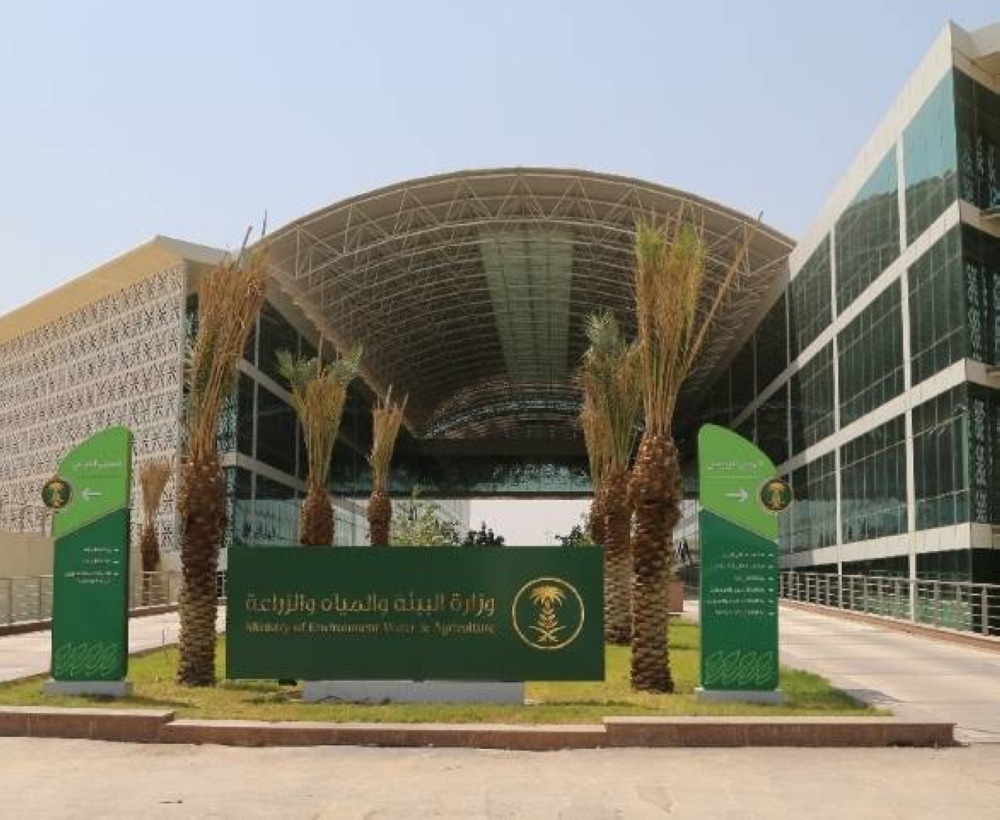
يذكر أن وزارة البيئة والمياه والزراعة تعمل على تطوير سلاسل الإمداد وتعزيز القيمة المضافة من خلال دعم الابتكار في مجال إنتاج وتصنيع التمور ومشتقاتها، ورفع كفاءته؛ لتعزيز قدرة القطاع التنافسية، وضمان استدامته وإسهامه في تحقيق الأمن الغذائي، والتنمية الزراعية والريفية المستدامة، وفقاً لمستهدفات رؤية المملكة 2030.
«الزراعة»: الرياض تُعزّز إنتاج السعودية من التمور بأكثر من 8 ملايين نخلة
14 يوليو 2025 - 15:05
|
آخر تحديث 14 يوليو 2025 - 15:05


تابع قناة عكاظ على الواتساب
«عكاظ» (الرياض)
Local date markets in several provinces of the Riyadh region are witnessing a noticeable commercial movement, coinciding with the start of the early date harvest season, which begins on August 1 and continues until the end of November. The local date markets have welcomed the early varieties of different dates, foremost among them are the Sukari, Rawthana, Khalas, Barhi, Dukhaini, and Saqai, along with other high-quality local date varieties.
The palm and date sector in the Kingdom represents an important resource for supporting the national economy and diversifying income sources; the value of the Kingdom's date exports during the past year reached 1.695 billion riyals, reaching global markets in 133 countries around the world, in addition to the sector's importance in enhancing food security in the Kingdom.
The Ministry of Environment, Water, and Agriculture clarified that the Riyadh region is one of the most important date-producing areas in the Kingdom, hosting several of the largest central date markets. The region produces about 80 varieties of diverse dates, most notably Sukari, Khalas, Barhi, Saqai, Safri, Munifi, Nabta Saif, Khudari, Maskani, Shishi, Sabaka, Barni, Rashudi, and Asili, among others.
The ministry indicated that the total date production in the Riyadh region exceeded 453,000 tons, making it one of the highest-producing areas in the Kingdom, while the total number of date palms there exceeds 8 million; of which more than 6.8 million are fruitful. It noted that the total production of the Khalas and yellow Sukari varieties in the Riyadh region exceeded 273,000 tons of the total production of the region for all varieties, while the total number of fruitful date palm trees of the two varieties exceeds 4 million.
It is worth mentioning that the Ministry of Environment, Water, and Agriculture is working on developing supply chains and enhancing added value by supporting innovation in the production and processing of dates and their derivatives, and improving its efficiency; to enhance the sector's competitiveness, ensure its sustainability, and contribute to achieving food security and sustainable agricultural and rural development, in accordance with the objectives of the Kingdom's Vision 2030.
The palm and date sector in the Kingdom represents an important resource for supporting the national economy and diversifying income sources; the value of the Kingdom's date exports during the past year reached 1.695 billion riyals, reaching global markets in 133 countries around the world, in addition to the sector's importance in enhancing food security in the Kingdom.
The Ministry of Environment, Water, and Agriculture clarified that the Riyadh region is one of the most important date-producing areas in the Kingdom, hosting several of the largest central date markets. The region produces about 80 varieties of diverse dates, most notably Sukari, Khalas, Barhi, Saqai, Safri, Munifi, Nabta Saif, Khudari, Maskani, Shishi, Sabaka, Barni, Rashudi, and Asili, among others.
The ministry indicated that the total date production in the Riyadh region exceeded 453,000 tons, making it one of the highest-producing areas in the Kingdom, while the total number of date palms there exceeds 8 million; of which more than 6.8 million are fruitful. It noted that the total production of the Khalas and yellow Sukari varieties in the Riyadh region exceeded 273,000 tons of the total production of the region for all varieties, while the total number of fruitful date palm trees of the two varieties exceeds 4 million.
It is worth mentioning that the Ministry of Environment, Water, and Agriculture is working on developing supply chains and enhancing added value by supporting innovation in the production and processing of dates and their derivatives, and improving its efficiency; to enhance the sector's competitiveness, ensure its sustainability, and contribute to achieving food security and sustainable agricultural and rural development, in accordance with the objectives of the Kingdom's Vision 2030.