


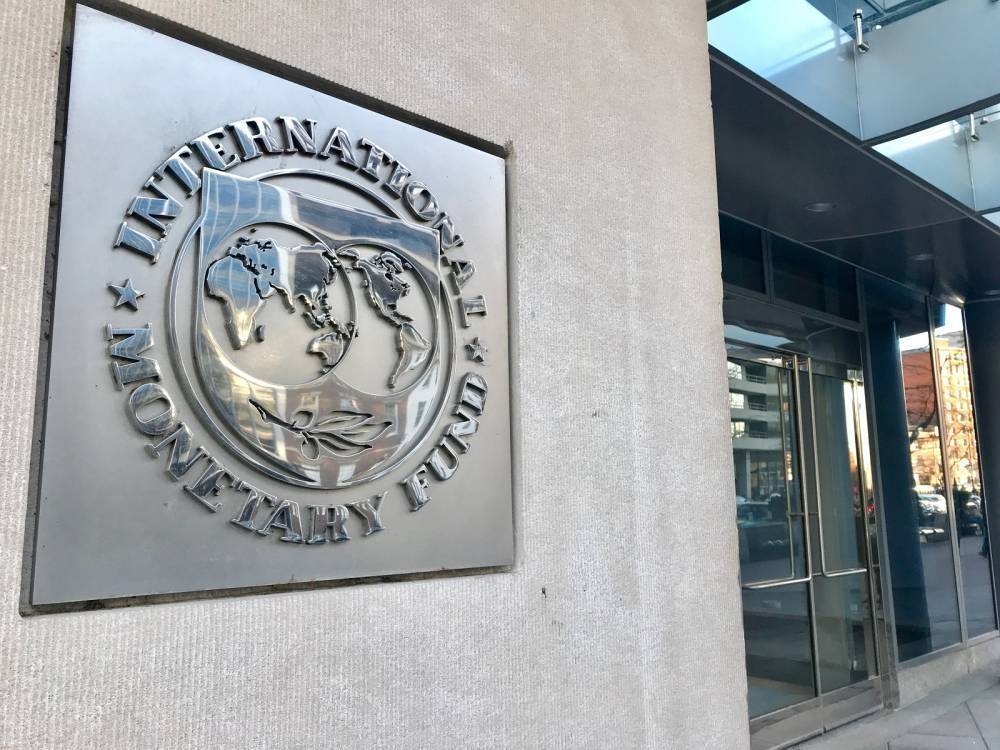
نوّه صندوق النقد الدولي بالإصلاحات التي جرت في سوق العمل السعودية وبدأت تُحقق نتائج ملموسة، من انخفاض معدلات البطالة، وارتفاع في نسبة مشاركة المرأة في سوق العمل، وزيادة التوظيف في القطاع الخاص.
ونُشر التقرير في 26 يونيو قبل أيام من تأكيد الهيئة العامة للإحصاء على التقدم السريع الذي أحرزته المملكة في إصلاح سوق العمل في نشرة سوق العمل للربع الأول من عام 2025.
وتُبرز النتائج الأولية لمشاورات صندوق النقد الدولي السنوية مع المملكة نموًا استثنائيًا للقطاع غير النفطي، وفعالية الإصلاحات الهيكلية، وسلامة السياسات المالية، وعبر الصندوق بوضوح عن دعمه لقرار الحكومة تبنّي سياسات مالية توسّعية في عام 2025، للحفاظ على زخم النمو رغم انخفاض أسعار النفط.
وعلى صعيد سوق العمل، يصف صندوق النقد الدولي التحوّل الهيكلي الجاري في سوق العمل السعودية، حيث أشارت أحدث الأرقام الصادرة عن الهيئة العامة للإحصاء إلى أن معدل البطالة بين المواطنين السعوديين يواصل انخفاضه، ليصل الآن إلى 6.3%، وهو تحسن ملحوظ مقارنة بالسنوات السابقة ويشير إلى أن الاقتصاد السعودي يخلق المزيد من الفرص للمواطنين السعوديين.
وأشاد صندوق النقد الدولي بالارتفاع الكبير والملحوظ في مشاركة المرأة في سوق العمل، التي وصلت نسبتها إلى 36.3% في الربع الأول من عام 2025 وفقًا لنشرة سوق العمل للربع الأول من عام 2025 الصادرة عن الهيئة العامة للإحصاء، مقارنة بـ19.7% فقط في عام 2018، ويمثل ذلك أحد أهم التحولات الاجتماعية والاقتصادية في تاريخ المملكة الحديث، ويعكس نجاح السياسات وتطور المعايير الاجتماعية.
وأشار صندوق النقد الدولي إلى أن هذا التحول مدعوم بإصلاحات مستمرة لتعزيز الإنتاجية وتنمية المهارات وإشراك أصحاب العمل.
ولفت بيان الصندوق إلى ارتفاع الأجور في الوظائف ذات المهارات العالية، ما يعكس تنامي الطلب على الكفاءات المتقدّمة في مجالات مثل الهندسة، والخدمات الرقمية، والقطاع المالي، ورغم أن هذا الارتفاع يعد مؤشرًا إيجابيًا على نشاط وحيوية سوق العمل، أكد صندوق النقد الدولي أهمية مواصلة تطوير وتأهيل الكوادر الوطنية في هذه القطاعات، بما يسهم في تعزيز التنافسية واستقرار مستويات الأجور على المدى الطويل.
وأكد صندوق النقد الدولي أن تبني المملكة سياسة مالية أعلى من المخصص في ميزانية عام 2025 يعد «إجراءً ملائمًا للحد من التقلبات الدورية التي قد تؤدي إلى تفاقم الأثر الاقتصادي الناتج عن انخفاض أسعار النفط».
وأشاد نائب وزير الموارد البشرية والتنمية الاجتماعية للعمل الدكتور عبد الله أبو ثنين بالنتائج قائلًا: «يمثل البيان الأخير الصادر عن صندوق النقد الدولي تأكيدًا على حجم التحول الذي تشهده سوق العمل في السعودية، ويعد دليلًا على فاعلية إستراتيجية سوق العمل في تحقيق نتائج ملموسة».
أشاد بارتفاع نسبة مشاركة المرأة وانخفاض البطالة وزيادة التوظيف
«النقد الدولي»: إصلاحات سوق العمل السعودية خفضت معدلات البطالة وزادت التوظيف
9 يوليو 2025 - 18:48
|
آخر تحديث 9 يوليو 2025 - 18:48


تابع قناة عكاظ على الواتساب
«عكاظ» (الرياض)
The International Monetary Fund (IMF) highlighted the reforms that have taken place in the Saudi labor market, which have begun to yield tangible results, including a decrease in unemployment rates, an increase in women's participation in the labor market, and growth in private sector employment.
The report was published on June 26, just days before the General Authority for Statistics confirmed the rapid progress the Kingdom has made in labor market reforms in the labor market bulletin for the first quarter of 2025.
The preliminary results of the IMF's annual consultations with the Kingdom highlight exceptional growth in the non-oil sector, the effectiveness of structural reforms, and the soundness of fiscal policies. The Fund clearly expressed its support for the government's decision to adopt expansionary fiscal policies in 2025 to maintain growth momentum despite falling oil prices.
Regarding the labor market, the IMF describes the ongoing structural transformation in the Saudi labor market, where the latest figures released by the General Authority for Statistics indicate that the unemployment rate among Saudi citizens continues to decline, now reaching 6.3%. This is a significant improvement compared to previous years and indicates that the Saudi economy is creating more opportunities for Saudi citizens.
The IMF praised the significant and noticeable increase in women's participation in the labor market, which reached 36.3% in the first quarter of 2025 according to the labor market bulletin for the first quarter of 2025 issued by the General Authority for Statistics, compared to only 19.7% in 2018. This represents one of the most important social and economic transformations in the modern history of the Kingdom and reflects the success of policies and the evolution of social norms.
The IMF noted that this transformation is supported by ongoing reforms to enhance productivity, develop skills, and engage employers.
The Fund's statement highlighted the rise in wages for high-skilled jobs, reflecting the growing demand for advanced competencies in fields such as engineering, digital services, and the financial sector. Although this increase is a positive indicator of the activity and vitality of the labor market, the IMF emphasized the importance of continuing to develop and qualify national cadres in these sectors to enhance competitiveness and stabilize wage levels in the long term.
The IMF confirmed that the Kingdom's adoption of a fiscal policy higher than the allocation in the 2025 budget is a "suitable measure to mitigate cyclical fluctuations that may exacerbate the economic impact resulting from falling oil prices."
Dr. Abdullah Abu Thnein, Deputy Minister of Human Resources and Social Development for Labor, praised the results, stating: "The recent statement issued by the IMF confirms the extent of the transformation taking place in the labor market in Saudi Arabia and serves as evidence of the effectiveness of the labor market strategy in achieving tangible results."
The report was published on June 26, just days before the General Authority for Statistics confirmed the rapid progress the Kingdom has made in labor market reforms in the labor market bulletin for the first quarter of 2025.
The preliminary results of the IMF's annual consultations with the Kingdom highlight exceptional growth in the non-oil sector, the effectiveness of structural reforms, and the soundness of fiscal policies. The Fund clearly expressed its support for the government's decision to adopt expansionary fiscal policies in 2025 to maintain growth momentum despite falling oil prices.
Regarding the labor market, the IMF describes the ongoing structural transformation in the Saudi labor market, where the latest figures released by the General Authority for Statistics indicate that the unemployment rate among Saudi citizens continues to decline, now reaching 6.3%. This is a significant improvement compared to previous years and indicates that the Saudi economy is creating more opportunities for Saudi citizens.
The IMF praised the significant and noticeable increase in women's participation in the labor market, which reached 36.3% in the first quarter of 2025 according to the labor market bulletin for the first quarter of 2025 issued by the General Authority for Statistics, compared to only 19.7% in 2018. This represents one of the most important social and economic transformations in the modern history of the Kingdom and reflects the success of policies and the evolution of social norms.
The IMF noted that this transformation is supported by ongoing reforms to enhance productivity, develop skills, and engage employers.
The Fund's statement highlighted the rise in wages for high-skilled jobs, reflecting the growing demand for advanced competencies in fields such as engineering, digital services, and the financial sector. Although this increase is a positive indicator of the activity and vitality of the labor market, the IMF emphasized the importance of continuing to develop and qualify national cadres in these sectors to enhance competitiveness and stabilize wage levels in the long term.
The IMF confirmed that the Kingdom's adoption of a fiscal policy higher than the allocation in the 2025 budget is a "suitable measure to mitigate cyclical fluctuations that may exacerbate the economic impact resulting from falling oil prices."
Dr. Abdullah Abu Thnein, Deputy Minister of Human Resources and Social Development for Labor, praised the results, stating: "The recent statement issued by the IMF confirms the extent of the transformation taking place in the labor market in Saudi Arabia and serves as evidence of the effectiveness of the labor market strategy in achieving tangible results."


