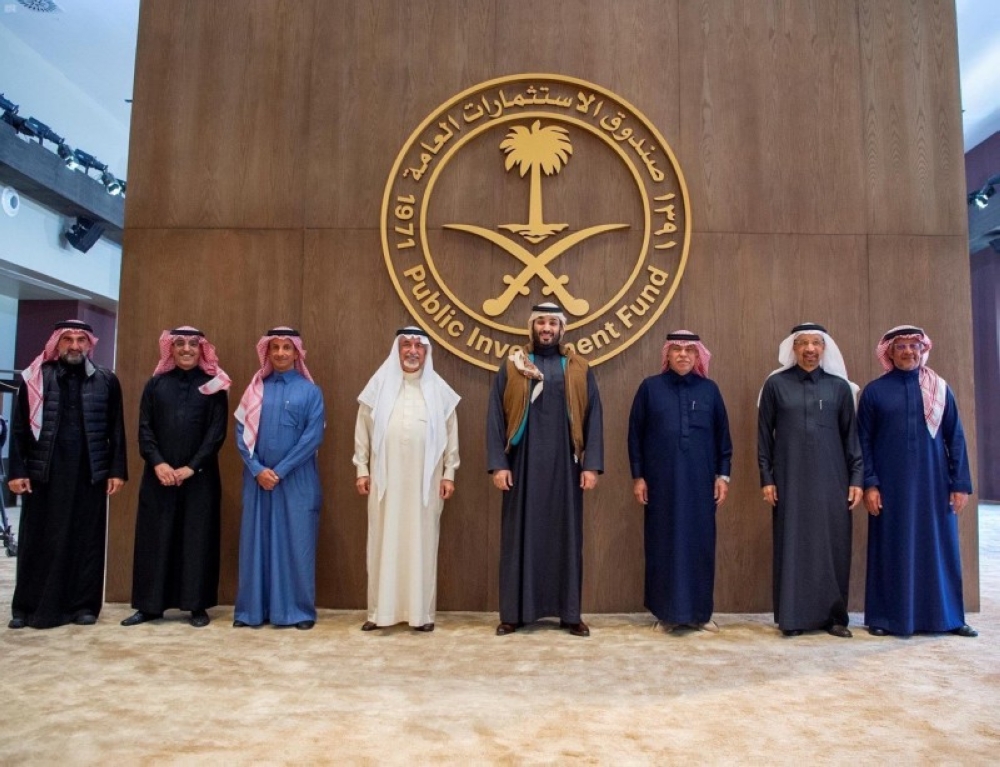
سجّل صندوق الاستثمارات العامة السعودي أداءً مالياً تصاعدياً خلال العام المالي 2024، مدفوعاً بتوسّع إستراتيجي في الأصول عالية العائد، وتنوّع ديناميكي في مصادر الدخل، ما يعكس كفاءة إدارة المحافظ الاستثمارية وتفعيل أدوات التمركز الرأسي في القطاعات المستهدفة.
ومن أبرز المؤشرات ارتفاع إجمالي الأصول تحت الإدارة (AUM) بنسبة 18% ليصل إلى 4.3 تريليون ريال سعودي، ما يعكس زيادة في معدل التوظيف الرأسمالي في مشاريع البنية التحتية والطاقة المتجددة والتقنيات المستقبلية، نمو الإيرادات التشغيلية بنسبة 25% لتبلغ 413 مليار ريال سعودي، مدعومة بعوائد توزيعات الأرباح، والدخل من المشاريع المشتركة، والمكاسب الرأسمالية من إعادة هيكلة بعض المراكز، تحقيق صافي أرباح بقيمة 25.8 مليار ريال سعودي، ما يمثل تحسناً في صافي الهامش الربحي ويعزز من معدلات العائد على الأصول (ROA) والعائد على الاستثمار (ROI).
توجيه السيولة
يرى أستاذ المالية والحوكمة الدكتور وليد الغصاب أن «البيانات المالية لصندوق الاستثمارات تعكس انتقالاً فعلياً من نموذج الاعتماد على العوائد النفطية إلى نموذج متكامل للاستثمار المؤسسي المتنوع، كما أن النمو في الإيرادات يعزز من مخرجات مضاعف القيمة الاقتصادية المضافة (EVA)، ويؤكد جدوى توجيه السيولة نحو القطاعات الإنتاجية بدلاً من الأدوات الاستثمارية التقليدية".
نقطة ارتكاز للتمويل
في السياق ذاته، أشار المستشار الاقتصادي عيد العيد إلى أن «تحقيق هذا الأداء يأتي كنتيجة مباشرة لتكامل الرؤية الإستراتيجية للصندوق مع السياسات الكلية، لاسيما في ما يتعلق بترشيد المخاطر، وتوسيع قاعدة الأصول المنتجة، وزيادة قدرة الصندوق على التحوط أمام تقلبات الأسواق العالمية. كما أن عوائد 2024 تشكل نقطة ارتكاز للتمويل الذاتي لمشاريع البنية التحتية الكبرى ومشاريع التحول الرقمي والطاقة البديلة».
قراءة مستقبلية
ويضيف الدكتور وليد الغصاب أن الأداء المالي لصندوق الاستثمارات العامة يشير إلى تنامي فعاليته كمحرّك اقتصادي موازٍ للسياسة المالية العامة، وقدرته على خفض الاعتماد على الإيرادات الحكومية عبر تعزيز قاعدة الأصول المستدامة، بما يسهم في رفع نسبة الاستثمار غير النفطي إلى الناتج المحلي الإجمالي (GDP)، وتحقيق مستهدفات رؤية السعودية 2030 في التحول من الريعية إلى التنويع الإنتاجي المؤسسي.
The Saudi Public Investment Fund has recorded a rising financial performance during the fiscal year 2024, driven by a strategic expansion in high-yield assets and a dynamic diversification of income sources, reflecting the efficiency of portfolio management and the activation of vertical integration tools in targeted sectors.
Among the most notable indicators is the increase in total assets under management (AUM) by 18%, reaching 4.3 trillion Saudi riyals, which reflects an increase in the capital employment rate in infrastructure projects, renewable energy, and future technologies. Operating revenues grew by 25% to reach 413 billion Saudi riyals, supported by dividend returns, income from joint ventures, and capital gains from restructuring some positions, achieving net profits of 25.8 billion Saudi riyals, representing an improvement in the net profit margin and enhancing the return on assets (ROA) and return on investment (ROI).
Liquidity Direction
Professor of Finance and Governance Dr. Walid Al-Ghasab believes that "the financial data of the Investment Fund reflects an actual transition from a model reliant on oil revenues to a comprehensive model of diversified institutional investment. Additionally, the growth in revenues enhances the outputs of the Economic Value Added (EVA) multiplier and confirms the feasibility of directing liquidity towards productive sectors instead of traditional investment instruments."
Financing Pivot
In this context, economic advisor Eid Al-Eid pointed out that "achieving this performance is a direct result of the integration of the fund's strategic vision with macroeconomic policies, particularly regarding risk mitigation, expanding the base of productive assets, and increasing the fund's ability to hedge against fluctuations in global markets. Moreover, the returns of 2024 represent a pivot for self-financing of major infrastructure projects and digital transformation and alternative energy projects."
Future Outlook
Dr. Walid Al-Ghasab adds that the financial performance of the Public Investment Fund indicates its growing effectiveness as an economic driver parallel to public fiscal policy, and its ability to reduce reliance on government revenues by enhancing the base of sustainable assets, contributing to raising the ratio of non-oil investment to gross domestic product (GDP), and achieving the targets of Saudi Vision 2030 in transitioning from a rentier economy to institutional production diversification.