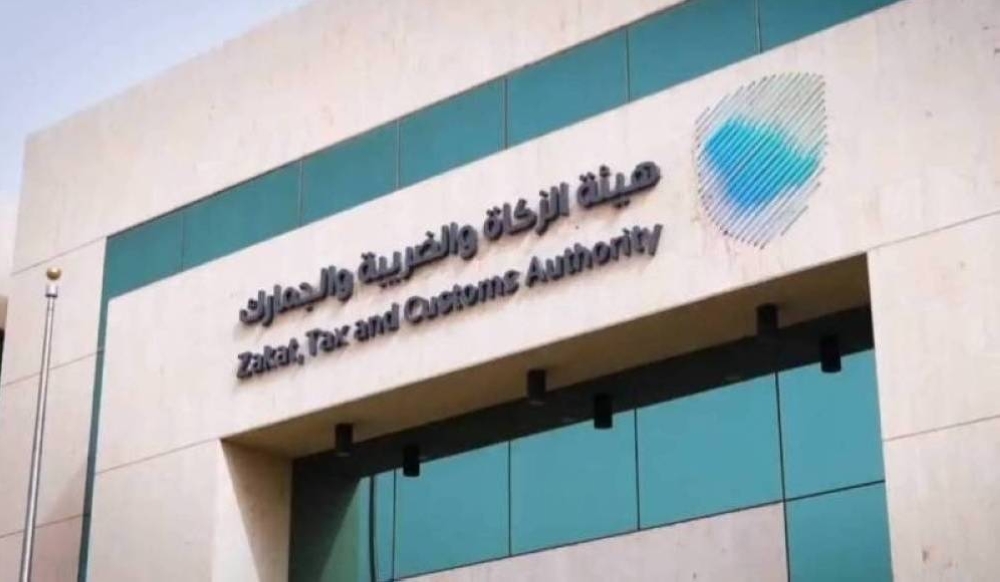
حددت «هيئة الزكاة والضريبة والجمارك» معيار اختيار المنشآت المستهدفة في المجموعة «الثالثة والعشرين» لتطبيق مرحلة «الربط والتكامل» من الفوترة الإلكترونية، موضحة أن المجموعة الثالثة والعشرين شملت جميع المنشآت التي تتجاوز إيراداتها الخاضعة لضريبة القيمة المضافة (750,000 ريال)، وذلك خلال الأعوام 2022 أو 2023 أو 2024.
وأكدت الهيئة أنها ستقوم بإشعار جميع المنشآت المستهدفة في المجموعة «الثالثة والعشرين»، تمهيداً لربط وتكامل أنظمة الفوترة الإلكترونية لدى هذه المنشآت، مع نظام (فاتورة) قبل 31 مارس 2026.
وأبانت هيئة الزكاة والضريبة والجمارك أن المرحلة الثانية -مرحلة الربط والتكامل- تستلزم متطلبات إضافية عن المرحلة الأولى -مرحلة الإصدار والحفظ- من أبرزها ربط أنظمة الفوترة الإلكترونية الخاصة بالمكلفين مع نظام فاتورة، وإصدار الفواتير الإلكترونية بناءً على صيغة محددة، وتضمين عدد من العناصر الإضافية في الفاتورة، لافتة الانتباه إلى أن الإلزام بالمرحلة الثانية -الربط والتكامل- يتم تدريـجياً وعـلى مجموعات، على أن تقوم الهيئة بإبلاغ المجموعات المتبقية مباشرة قبل التاريخ المحدد للربط بـ6 أشهر على الأقل.
وأشارت هيئة الزكاة والضريبة والجمارك إلى أن المرحلة الثانية من الفوترة الإلكترونية تأتي امتداداً للنهضة الاقتصادية والتحول الرقمي الذي تشهده المملكة، واستكمالاً لقصةِ نجاحٍ بدأت بالمرحلة الأولى من تطبيق الفوترة الإلكترونية التي حققت العديد من النتائج الإيجابية، كان من أبرزها رفع مستوى حماية المستهلك في جميع أنحاء المملكة، مشيدة بالوعي الكبير الذي لمسته من المكلفين وسرعة تجاوبهم في تطبيق المرحلة الأولى من المشروع.
يُشار إلى أن المرحلة الأولى من مشروع الفوترة الإلكترونية -مرحلة الإصدار والحفظ- بدأ تطبيقها في 4 ديسمبر 2021، وتُلزم المكلفين الخاضعين للائحة الفوترة الإلكترونية بالتوقف التام عن استخدام الفواتير المكتوبة بخط اليد أو الفواتير المكتوبة بأجهزة الكمبيوتر عبر برامج تحرير النصوص أو برامج تحليل الأرقام، والتأكد من وجود حل تقني للفوترة الإلكترونية متوافق مع متطلبات الهيئة، إضافةً إلى التأكد من إصدار وحفظ الفواتير الإلكترونية بكل العناصر، ومنها رمز الاستجابة السريعة (QR Code) وغيرها من المتطلبات.
The "Zakat, Tax and Customs Authority" has defined the criteria for selecting the targeted entities in the "twenty-third" group for the implementation of the "linking and integration" phase of electronic invoicing, clarifying that the twenty-third group includes all entities whose revenues subject to value-added tax exceed (750,000 Riyals) during the years 2022, 2023, or 2024.
The authority confirmed that it will notify all targeted entities in the "twenty-third" group in preparation for linking and integrating the electronic invoicing systems of these entities with the (Fatoora) system before March 31, 2026.
The Zakat, Tax and Customs Authority indicated that the second phase - the linking and integration phase - requires additional requirements compared to the first phase - the issuance and storage phase - the most notable of which is linking the electronic invoicing systems of the taxpayers with the Fatoora system, issuing electronic invoices based on a specific format, and including several additional elements in the invoice, noting that the obligation for the second phase - linking and integration - will be gradual and by groups, with the authority notifying the remaining groups directly at least six months before the specified linking date.
The Zakat, Tax and Customs Authority pointed out that the second phase of electronic invoicing comes as an extension of the economic renaissance and digital transformation that the Kingdom is witnessing, and as a continuation of a success story that began with the first phase of implementing electronic invoicing, which achieved many positive results, the most notable of which was enhancing consumer protection across the Kingdom, praising the great awareness it has observed from the taxpayers and their swift response in implementing the first phase of the project.
It is worth mentioning that the first phase of the electronic invoicing project - the issuance and storage phase - began on December 4, 2021, and obliges taxpayers subject to the electronic invoicing regulations to completely cease using handwritten invoices or invoices written on computers using word processing or spreadsheet programs, and to ensure the existence of a technical solution for electronic invoicing that complies with the authority's requirements, in addition to ensuring the issuance and storage of electronic invoices with all elements, including the QR code and other requirements.