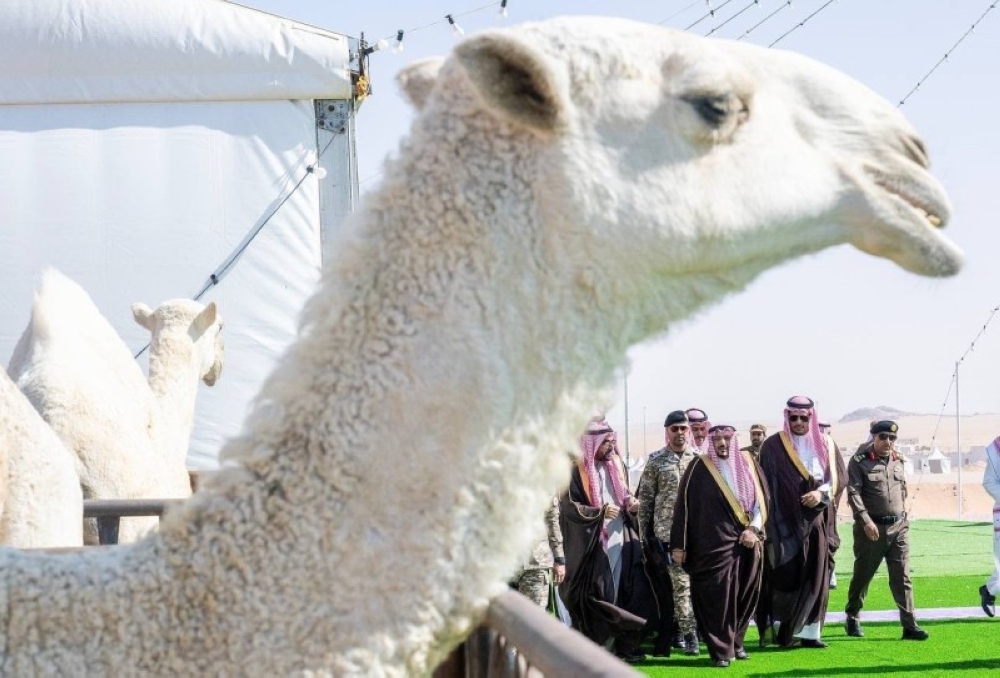
في مناسبة اليوم العالمي للإبل، سلطت إمارة منطقة القصيم الضوء على ما تحقق لهذا القطاع من منجزات نوعية، أكدت ريادتها في احتضان الثروة الحيوانية وتعزيز موقعها التنموي في قلب المملكة، بدعم مباشر ومتابعة حثيثة من أمير منطقة القصيم الأمير الدكتور فيصل بن مشعل بن سعود بن عبدالعزيز، الذي وجّه بتطوير البنية التحتية والبحث العلمي والرقابة البيطرية، ما أحدث نقلة نوعية في مستوى الخدمات والتنظيمات المرتبطة بالإبل.
وبحسب إمارة القصيم؛ تحتضن منطقة القصيم أكثر من 138874 رأسًا من الإبل، ما يجعلها من أكبر مناطق المملكة كثافةً في هذا القطاع. ولتأطير هذه الثروة وتنظيم حوكمتها، أنشأت الجهات المعنية لجانًا رقابية يومية تُعنى بمتابعة حركة البيع ومنع الممارسات المخالفة وفريقًا طبيًا بيطريًا متخصصًا لمتابعة صحة الإبل وسلامة النسل ومركزًا علميًا شاملًا لأبحاث الإبل أُسّس داخل جامعة القصيم لدعم الجانب الأكاديمي والابتكار في القطاع.
وعلى مستوى الفعاليات والتسويق، شهدت المنطقة إقامة خمسة مزادات سنوية للإبل، تُعد من أبرز منصات العرض والبيع في المملكة. كما تستضيف القصيم المؤتمر السنوي للإبل الذي يُعزز من تبادل المعرفة والخبرات بين المربين والباحثين والمستثمرين.
وتم الانتهاء من مشروع ميدان الجِمال على مساحة تتجاوز 18 مليون متر مربع، بما يوفر بيئة مناسبة للمنافسات والعروض الشعبية المرتبطة بالتراث.
كما تحتضن القصيم أكبر مدينة للتمور في العالم، ما يُشكّل رافدًا اقتصاديًا متداخلًا مع سوق الإبل، لاسيما في المسارات الزراعية والتجارية.
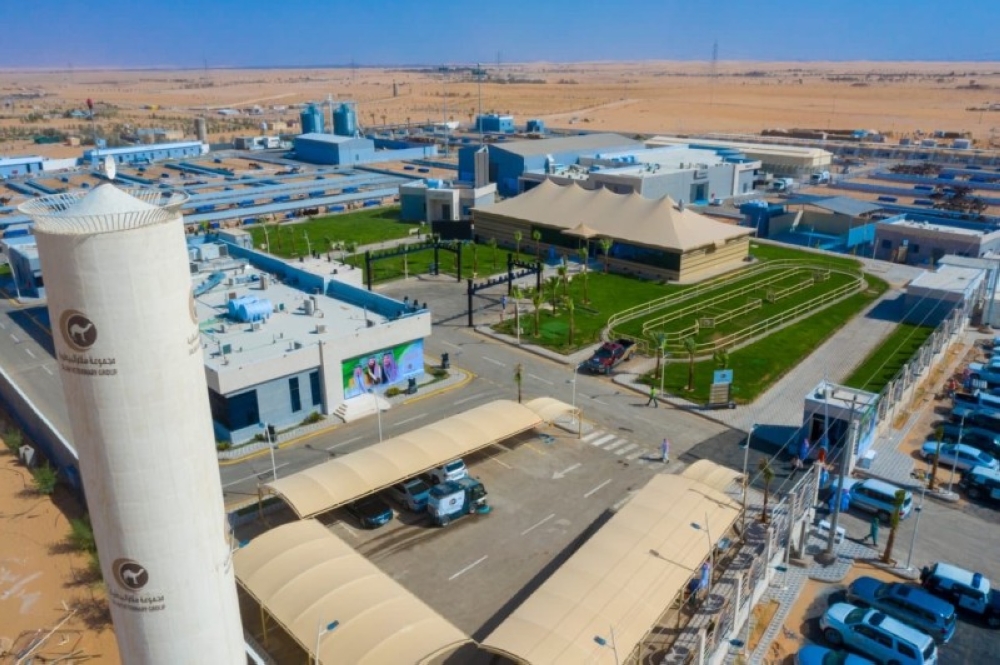
وفي بادرة تُعد فريدة على مستوى العالم، أنشأت المنطقة أكبر مستشفى للإبل عالميًا، مجهزًا بأحدث تقنيات التشخيص والعلاج والتلقيح الاصطناعي، ما يعزز من كفاءة الرعاية البيطرية ويدعم الاقتصاد الحيواني الوطني.
ومن أبرز المشاريع التنموية التي تم إطلاقها، متنزه وطني متكامل يضم أكبر مزرعة إبل عالمية. يجمع المشروع بين البعد البيئي والتنموي، ويُعد نموذجًا متقدّمًا للاستثمار في الثروة الحيوانية ضمن بيئة مستدامة تراعي التوازن الطبيعي وتستقطب الزوّار والمهتمين من داخل المملكة وخارجها.
ومنطقة القصيم تتعامل مع الإبل كمكوّن اقتصادي واستثماري وعلمي يستحق التخطيط والرعاية والتمكين. ما تحقق في هذا القطاع يُمثّل نموذجًا وطنيًا للتنمية المتوازنة، ويضع القصيم في موقع متقدم ضمن خريطة الريادة السعودية في العناية بالإبل على المستوى الدولي.
On the occasion of World Camel Day, the Emirate of Al-Qassim highlighted the qualitative achievements made in this sector, affirming its leadership in embracing livestock and enhancing its developmental position in the heart of the Kingdom, with direct support and diligent follow-up from the Emir of Al-Qassim, Prince Dr. Faisal bin Mishal bin Saud bin Abdulaziz, who directed the development of infrastructure, scientific research, and veterinary supervision, resulting in a qualitative leap in the level of services and regulations related to camels.
According to the Al-Qassim Emirate, the Al-Qassim region hosts more than 138,874 heads of camels, making it one of the largest regions in the Kingdom in terms of density in this sector. To frame this wealth and organize its governance, the relevant authorities established daily regulatory committees concerned with monitoring sales activities and preventing violations, as well as a specialized veterinary medical team to monitor the health of camels and the safety of offspring, and a comprehensive scientific center for camel research established within Al-Qassim University to support the academic and innovative aspects of the sector.
At the level of events and marketing, the region has witnessed the establishment of five annual camel auctions, which are among the most prominent platforms for display and sale in the Kingdom. Al-Qassim also hosts the annual camel conference, which enhances the exchange of knowledge and experiences among breeders, researchers, and investors.
The Camel Field project has been completed, covering an area of over 18 million square meters, providing a suitable environment for competitions and popular shows related to heritage.
Al-Qassim also hosts the largest date city in the world, which forms an intertwined economic tributary with the camel market, especially in agricultural and commercial pathways.
In a unique initiative on a global level, the region has established the largest camel hospital in the world, equipped with the latest diagnostic and treatment technologies and artificial insemination, enhancing the efficiency of veterinary care and supporting the national livestock economy.
Among the most prominent developmental projects launched is a comprehensive national park that includes the largest camel farm in the world. The project combines environmental and developmental dimensions and serves as an advanced model for investment in livestock within a sustainable environment that respects natural balance and attracts visitors and interested parties from within and outside the Kingdom.
The Al-Qassim region treats camels as an economic, investment, and scientific component that deserves planning, care, and empowerment. What has been achieved in this sector represents a national model for balanced development and places Al-Qassim in an advanced position on the map of Saudi leadership in camel care at the international level.