


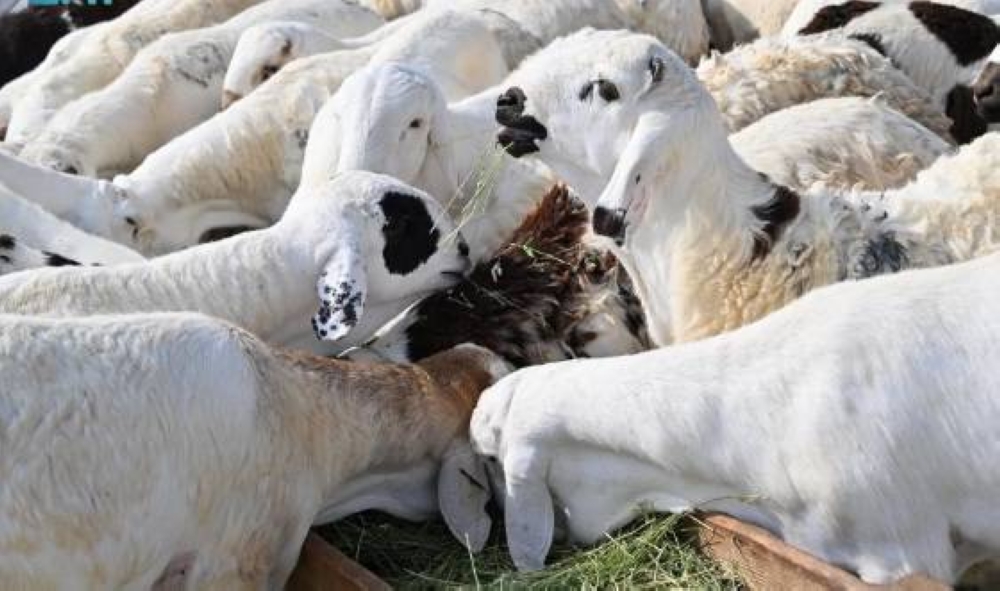
تستعد أسواق المواشي في منطقة جازان؛ لاستقبال موسم عيد الأضحى بحركة نشطة، وطلب متزايد على الأضاحي، وارتفاع نسبي في الأسعار.
وفي جولة ميدانية لوكالة الأنباء السعودية «واس»، جرى رصد تباين في أسعار الأضاحي هذا العام مقارنةً بالسنوات السابقة، إذ تراوح أسعار الخراف بين 1,000 ريالٍ إلى 1,800 ريالٍ، وتصل أحياناً إلى 2,000 ريالٍ، أما أسعار الماعز، فتراوح بين 1,500 إلى 2,100 ريالٍ، مما يعكس ديناميكيات السوق في ظل الطلب المتزايد.
وفي تصريحات لمربي وتجار الماشية، أكدوا أنهم يعملون على تهيئة مواشيهم طوال العام، مستفيدين من الخبرات السابقة للاستعداد لموسم الأضاحي، الذي يُعد فرصة ذهبية؛ لتحقيق مبيعات جيدة في الأسواق الأسبوعية بالمحافظات.
وتشهد الأسواق الشعبية إقبالاً كبيراً من المتسوقين، إذ يحرص المشترون على قضاء وقت كافٍ في معاينة الأضاحي، بحثاً عن الأنسب من حيث الجودة والسعر؛ لتفادي الزحام الذي يرافق الأيام الأخيرة قبل العيد.
يذكر أن الفرق الرقابية التابعة لفرع وزارة البيئة والمياه والزراعة في المنطقة، تنفذ حاليّاً جولات تفتيشية مكثفة؛ للتأكد من سلامة المواشي وخلوها من الأمراض المعدية، كما تسعى الفرق إلى توعية المستهلكين حول الاشتراطات الصحية اللازمة للأضحية، وتقديم المعلومات حول كيفية التمييز بين الأضاحي السليمة والمريضة قبل وبعد عملية ذبح الأضحية.
حركة نشطة وإقبال على شراء الأضاحي في جازان
1 يونيو 2025 - 15:32
|
آخر تحديث 1 يونيو 2025 - 15:32


تابع قناة عكاظ على الواتساب
«عكاظ» (جازان)
The livestock markets in the Jazan region are preparing to welcome the Eid al-Adha season with active movement, increased demand for sacrificial animals, and a relative rise in prices.
In a field tour conducted by the Saudi Press Agency "SPA," a variation in the prices of sacrificial animals this year was observed compared to previous years, as the prices of sheep ranged between 1,000 to 1,800 riyals, sometimes reaching up to 2,000 riyals. As for the prices of goats, they ranged between 1,500 to 2,100 riyals, reflecting the market dynamics amid the increasing demand.
In statements from livestock breeders and traders, they confirmed that they have been preparing their livestock throughout the year, benefiting from previous experiences to get ready for the sacrificial season, which is considered a golden opportunity to achieve good sales in the weekly markets of the provinces.
The popular markets are witnessing a significant turnout from shoppers, as buyers are keen to spend enough time inspecting the sacrificial animals, searching for the best options in terms of quality and price, to avoid the crowds that accompany the last days before the holiday.
It is worth mentioning that the monitoring teams affiliated with the branch of the Ministry of Environment, Water, and Agriculture in the region are currently conducting intensive inspection tours to ensure the safety of the livestock and their freedom from infectious diseases. The teams also aim to educate consumers about the necessary health requirements for the sacrificial animal and provide information on how to distinguish between healthy and sick sacrificial animals before and after the slaughter process.
In a field tour conducted by the Saudi Press Agency "SPA," a variation in the prices of sacrificial animals this year was observed compared to previous years, as the prices of sheep ranged between 1,000 to 1,800 riyals, sometimes reaching up to 2,000 riyals. As for the prices of goats, they ranged between 1,500 to 2,100 riyals, reflecting the market dynamics amid the increasing demand.
In statements from livestock breeders and traders, they confirmed that they have been preparing their livestock throughout the year, benefiting from previous experiences to get ready for the sacrificial season, which is considered a golden opportunity to achieve good sales in the weekly markets of the provinces.
The popular markets are witnessing a significant turnout from shoppers, as buyers are keen to spend enough time inspecting the sacrificial animals, searching for the best options in terms of quality and price, to avoid the crowds that accompany the last days before the holiday.
It is worth mentioning that the monitoring teams affiliated with the branch of the Ministry of Environment, Water, and Agriculture in the region are currently conducting intensive inspection tours to ensure the safety of the livestock and their freedom from infectious diseases. The teams also aim to educate consumers about the necessary health requirements for the sacrificial animal and provide information on how to distinguish between healthy and sick sacrificial animals before and after the slaughter process.


