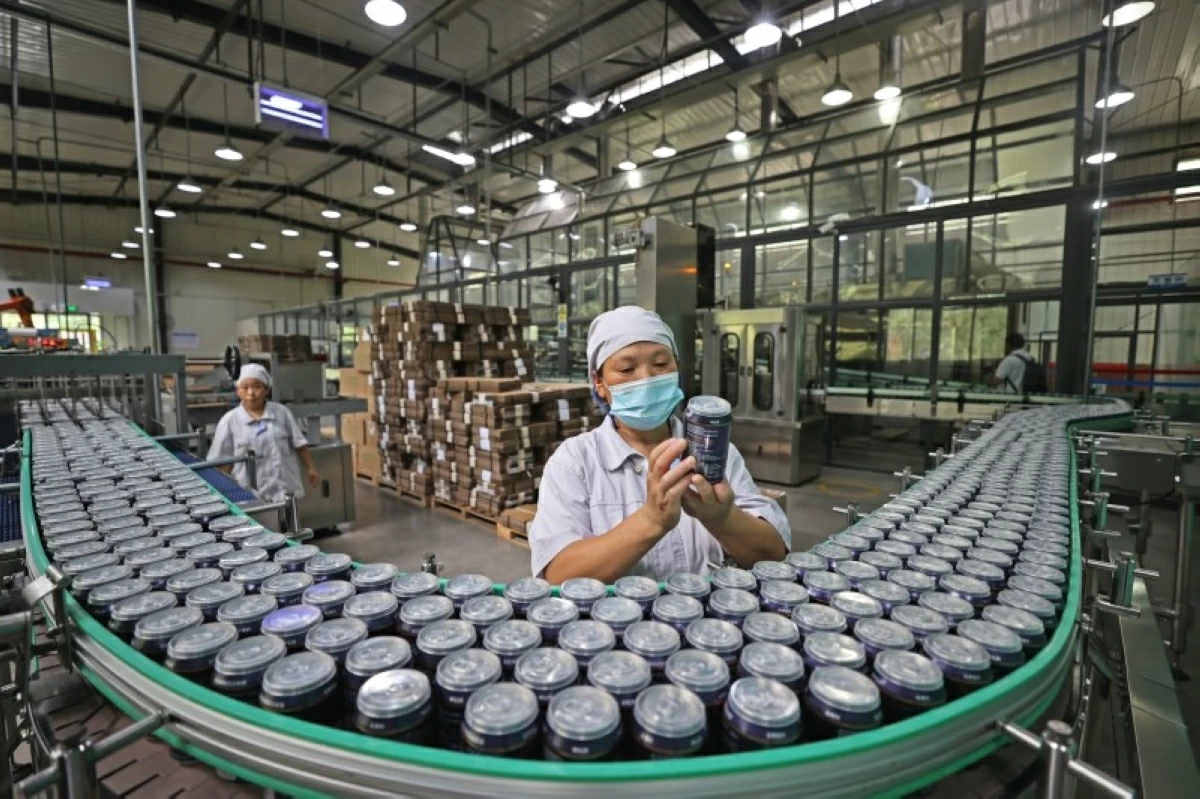
انكمش نشاط المصانع الصينية خلال أكتوبر الجاري، للمرة الثالثة في أربعة أشهر، متأثراً بضعف الطلب المحلي وتباطؤ الطلبيات الخارجية، وسط مخاوف من تراجع قدرة الصادرات على تعويض ضعف الإنفاق الاستهلاكي ودعم نمو ثاني أكبر اقتصاد في العالم.
وكشفت بيانات المكتب الوطني للإحصاء الصيني، الصادرة اليوم (السبت)، تراجع مؤشر مديري المشتريات لقطاع التصنيع إلى 49.3 نقطة خلال أكتوبر، مقارنة بـ50.1 نقطة في سبتمبر الماضي، ليهبط دون مستوى 50 نقطة الفاصل بين النمو والانكماش، مخالفاً توقعات المحللين البالغة 50 نقطة.
وحذر اقتصاديون من استمرار الضغوط على الاقتصاد الصيني، مطالبين الحكومة بتكثيف إجراءات تحفيز الطلب المحلي، في ظل ضعف الاستهلاك وتزايد المؤشرات على تباطؤ الصادرات، التي شكلت أحد أبرز محركات النمو خلال العام الجاري.
وقال المحلل في الاتحاد الصيني للوجستيات والمشتريات تشانغ ليتشون إن عدم كفاية الطلب يزيد الضغوط على الاقتصاد، فيما تأثر نشاط المصانع خلال أكتوبر بتراجع الطلبيات الخارجية المرتبطة بموسم عيد الميلاد، بعد تقديم جزء من الشحنات إلى شهر سبتمبر الماضي.
وتأتي هذه التطورات رغم توقعات بتجاوز الفائض التجاري الصيني مستواه المسجل العام الماضي عند 1.2 تريليون دولار، مدعوماً بقوة الصادرات خلال معظم أشهر العام.
The activity of Chinese factories contracted in October, for the third time in four months, affected by weak domestic demand and a slowdown in external orders, amid fears that export capacity will not compensate for weak consumer spending and support the growth of the world's second-largest economy.
Data from the National Bureau of Statistics of China, released today (Saturday), revealed that the manufacturing Purchasing Managers' Index (PMI) fell to 49.3 points in October, compared to 50.1 points in September, dropping below the 50-point threshold that separates growth from contraction, contrary to analysts' expectations of 50 points.
Economists warned of continued pressures on the Chinese economy, calling on the government to intensify measures to stimulate domestic demand, in light of weak consumption and increasing signs of a slowdown in exports, which have been one of the main drivers of growth this year.
Analyst at the China Federation of Logistics and Purchasing, Zhang Lichun, stated that insufficient demand increases pressures on the economy, while factory activity in October was affected by a decline in external orders related to the Christmas season, after some shipments were brought forward to September.
These developments come despite expectations that China's trade surplus will exceed last year's level of $1.2 trillion, supported by strong exports during most months of the year.