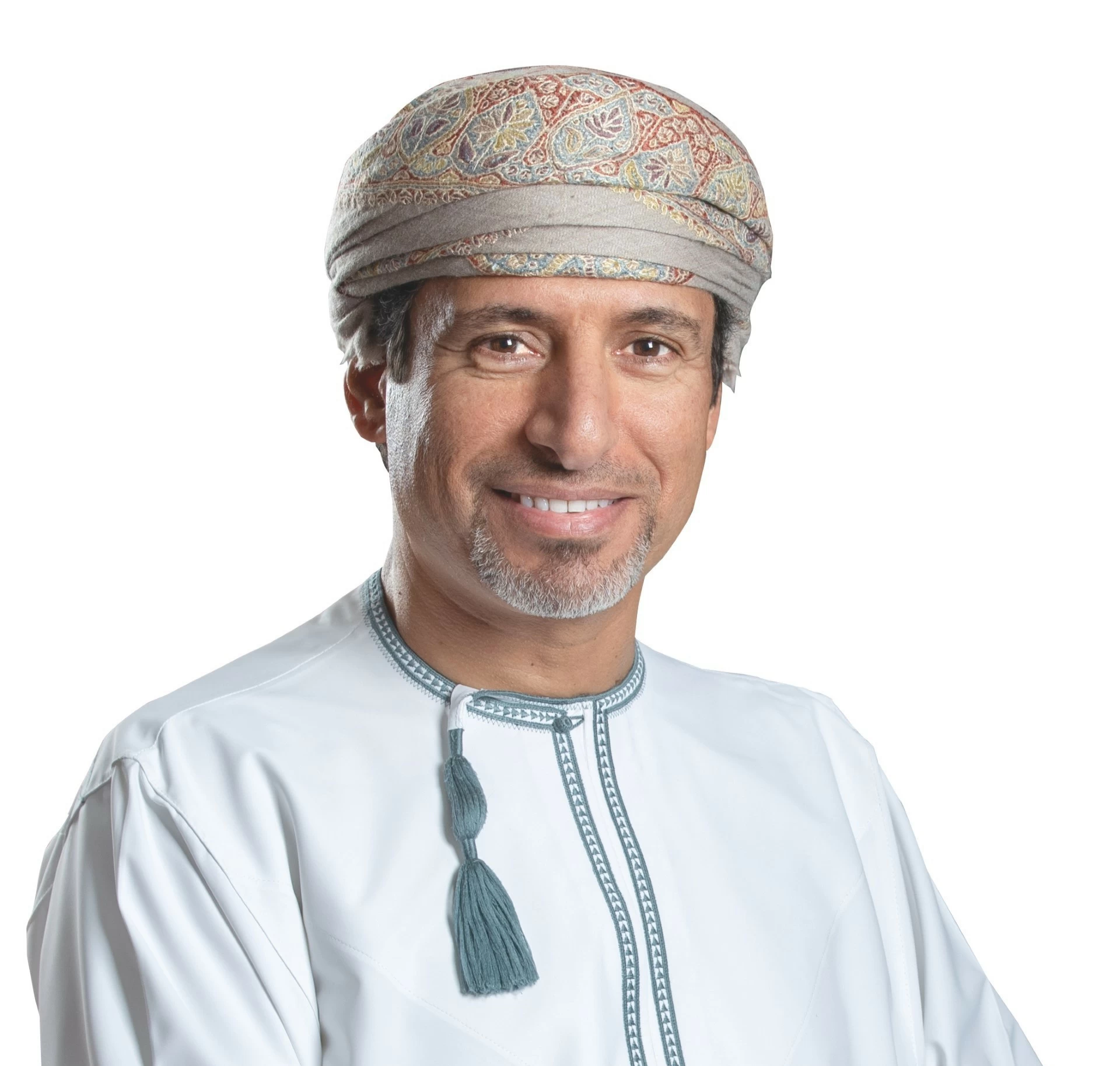
أعلن وزير الطاقة العُماني سالم العوفي أن مضيق هرمز سيفتح، مشيراً إلى أنه من المحتمل أن يكون الوضع الحالي قصير الأمد، وأن الوضع يتعين أن يستقر في المدى المتوسط.
وقال الوزير: "يسعدني أن سلطنة عمان لا تزال قادرة على مواصلة إنتاج النفط والغاز، وأن الارتفاع الشديد في أسعار النفط والغاز الطبيعي المسال ليس مستداماً للجميع." وأضاف: "هناك حاجة ملحة لتنويع نقاط الخروج وتحديد خيارات تصدير بديلة".
تداولات الأسعار
وعلى صعيد الأسعار، قفزت أسعار النفط اليوم، في ظل تصاعد التوترات في الشرق الأوسط التي أججت المخاوف من تعطل إمدادات موارد الطاقة. وارتفعت العقود الآجلة لخام برنت 3.14 دولار أو 3.00%، إلى 107.75 دولار للبرميل. وزادت العقود الآجلة لخام غرب تكساس الوسيط 3.01 دولار أو 3.01%، إلى 103.06 دولار للبرميل. وكانت الأسعار قد ارتفعت في البداية بأكثر من 3% عند فتح السوق. وارتفع سعر النفط 8% خلال الأسبوع الماضي بسبب هذه الاضطرابات، متجاوزاً حاجز 100 دولار للبرميل للمرة الأولى منذ يوليو الماضي.
Oman's Minister of Energy, Salim Al-Aufi, announced that the Strait of Hormuz will open, indicating that the current situation is likely to be short-term, and that stability is expected in the medium term.
The minister stated, "I am pleased that the Sultanate of Oman is still able to continue producing oil and gas, and that the sharp rise in oil and liquefied natural gas prices is not sustainable for everyone." He added, "There is an urgent need to diversify exit points and identify alternative export options."
Price Movements
In terms of prices, oil prices surged today amid escalating tensions in the Middle East that have heightened fears of disruptions to energy supply. Brent crude futures rose by $3.14 or 3.00% to $107.75 per barrel. West Texas Intermediate crude futures increased by $3.01 or 3.01% to $103.06 per barrel. Prices initially rose by more than 3% at market opening. Oil prices have jumped 8% over the past week due to these disruptions, surpassing the $100 per barrel mark for the first time since last July.