تدخل الحملة الأمريكية الجديدة ضد إيران مرحلة مفصلية، مع ما تسميه واشنطن بـ«عملية المنبوذ الاقتصادي»؛ وهي استراتيجية تهدف إلى دفع الدول والشركات إلى الاختيار بين التعامل مع طهران أو الاحتفاظ بإمكانية الوصول إلى النظام المالي الأمريكي القائم على الدولار.
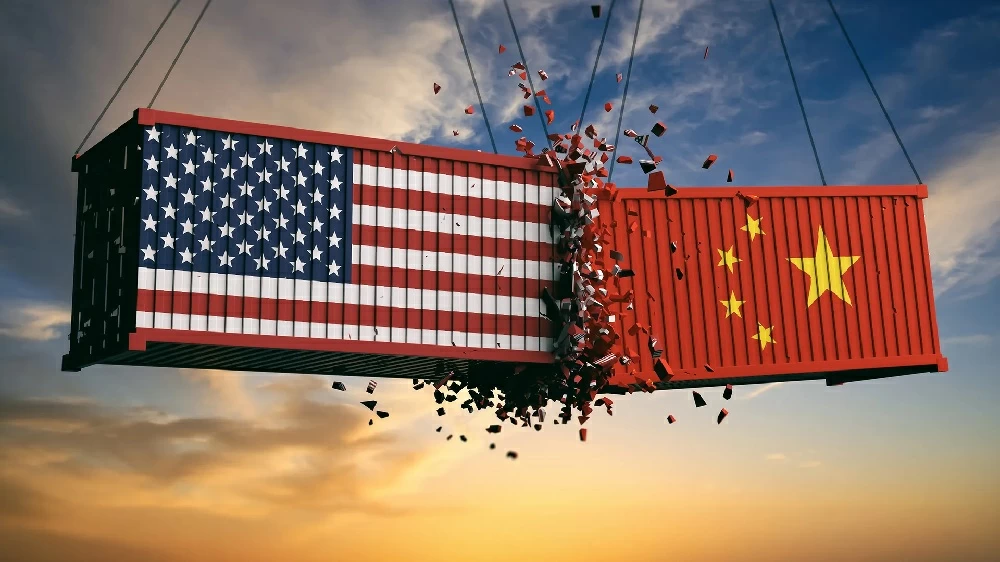
ويبدو أن الاختبار الحقيقي لهذه الحملة يتمثّل في مدى استعداد الولايات المتحدة لتوسيع نطاق العقوبات ليشمل المؤسسات الصينية الكبرى التي تشكل العمود الفقري لتجارة النفط الإيراني.
تهديد مالي محسوب
ورغم لهجة التحذير التي استخدمها وزير الخزانة الأمريكي سكوت بيسنت في 24 أغسطس، لم تُعلن الإدارة الأمريكية حتى الآن إجراءات مباشرة ضد كيانات صينية كبيرة، ما يفتح الباب أمام تساؤلات حول مدى استعداد واشنطن لخوض مواجهة اقتصادية واسعة مع بكين. ويرى مسؤولون سابقون في وزارة الخزانة أن نجاح الحملة لن يُقاس بحجم قائمة العقوبات، بل بمدى استعداد الولايات المتحدة لتطبيقها على المؤسسات المالية الضخمة، خصوصاً في الصين.
وتشير تصريحات بيسنت إلى أن واشنطن تمنح المخالفين مهلة زمنية للتراجع، في محاولة لخلق تأثير ردعي قبل تنفيذ العقوبات فعلياً. ويعتقد مايكل باركر، المسؤول السابق في مكتب مراقبة الأصول الأجنبية، أن الرسالة الأمريكية تهدف إلى دفع الحكومات والشركات الكبرى لإعادة حساباتها قبل أن تتخذ واشنطن خطوات أكثر صرامة.
الصين.. العقدة الأصعب
تظل الصين الحلقة الأكثر تعقيداً في هذه المعادلة، كونها المشتري الأكبر للنفط الإيراني. وقد حذّر بيسنت من أن «لا أحد بمنأى عن العقوبات الأمريكية»، مؤكداً أن أي مؤسسة تساعد في تحويل النفط الإيراني إلى أموال قد تُستبعد من نظام الدولار. لكن استهداف مؤسسة صينية كبيرة يختلف جذرياً عن معاقبة وسيط مالي صغير، وقد يفتح الباب أمام أزمة مالية أوسع.
ويرى الباحث في مؤسسة الدفاع عن الديمقراطيات، ماكس ميزليش، أن وقف تدفق الأموال إلى إيران سيكون شبه مستحيل من دون مواجهة الدور الصيني. وأشار إلى تجربة بنك (كونلون) الذي حُرم من الوصول إلى الدولار عام 2012، معتبراً أن إعادة استهدافه قد يفرض ضغوطاً أكبر على الشركة الأم، المؤسسة الوطنية الصينية للنفط.
مخاطر تتجاوز الملف الإيراني
تكمن الإشكالية في أن استهداف بنك صيني كبير قد يخرج عن نطاق العقوبات على إيران، ليتحول إلى مواجهة مالية بين واشنطن وبكين؛ فالصين ترفض العقوبات الأمريكية الأُحادية وتعتبرها أداة ضغط سياسي، كما أن علاقاتها التجارية والاستراتيجية مع طهران تتوسع باستمرار.
ويرى المسؤول السابق في وزارة الخارجية الأمريكية، جيم مولينكس، أن ردَّ الصين سيعتمد على حجم المؤسسة المستهدفة، مشيراً إلى أن بكين تستخدم أحياناً مؤسسات أصغر للتعامل مع الدول الخاضعة للعقوبات، ما يمنح واشنطن مساحة للتحرك دون تعطيل النظام المالي الصيني بالكامل. لكنه يحذر من أن عدم تعاون الصين قد يشجع أطرافاً أخرى على اتخاذ الموقف نفسه، ما قد يؤدي إلى تصعيد تدريجي يوسّع نطاق المواجهة.
انعكاسات على أسواق الطاقة
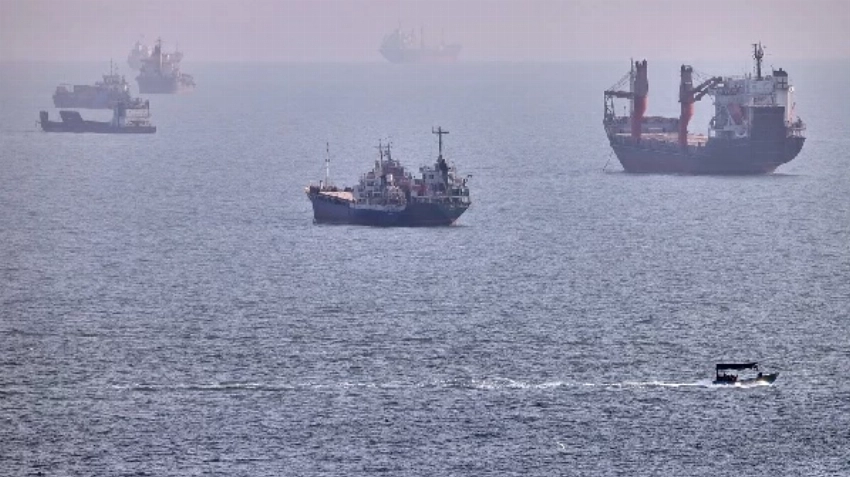
تأتي هذه التطورات في وقت تعاني فيه حركة التجارة العالمية من اضطرابات حادة بسبب التوترات في مضيق هرمز. وقد تؤدي العقوبات الأوسع إلى زيادة الضغوط على أسواق الطاقة، خصوصاً إذا ردت إيران باستهداف ناقلات النفط أو تعطيل الملاحة. ويرى خبراء أن تصريحات بيسنت قد تكون محاولة لتهيئة الأسواق لإجراءات مستقبلية أكثر تشدداً، وليس مجرد إعلان عن عقوبات جديدة.
معيار النجاح الحقيقي
ورغم أن واشنطن تتحدث عن «عزلة اقتصادية كاملة» لإيران، يرى محللون أن النجاح الحقيقي سيكون سياسياً أكثر منه مالياً. فبحسب مولينكس، قد تعتبر الإدارة الأمريكية الحملة ناجحة إذا دفعت إيران إلى العودة للمفاوضات، والقبول بترتيبات لفتح مضيق هرمز، والحد من تطوير الأسلحة وتمويل الجماعات المسلحة.
لكن قدرة العقوبات على تحقيق هذا الهدف غير مؤكدة، إذ أثبتت إيران قدرتها على التكيف عبر شبكات مالية وتجارية موازية، فيما لا تبدو الصين وروسيا مستعدتين للانضمام إلى حملة تهدف إلى خنق الاقتصاد الإيراني بالكامل.
ويبقى السؤال الأهم: هل تستطيع واشنطن إضعاف النظام الإيراني دون إشعال أزمة اقتصادية عالمية؟ فإذا تمكنت طهران من إيجاد مشترين وبنوك ودول مستعدة لمساعدتها على الالتفاف على القيود، ستظل فكرة «العزلة الكاملة» بعيدة المنال. أما إذا قررت الولايات المتحدة أن إغلاق هذه القنوات يتطلب استهداف مؤسسات مالية صينية كبرى، فقد تتحول حملة الضغط على إيران إلى اختبار مباشر لحدود النفوذ المالي الأمريكي في مواجهة الصين.
The new American campaign against Iran is entering a pivotal phase, with what Washington calls the "Economic Pariah Operation"; a strategy aimed at pushing countries and companies to choose between dealing with Tehran or retaining access to the U.S. dollar-based financial system.
The real test of this campaign seems to be the extent to which the United States is willing to expand sanctions to include major Chinese institutions that form the backbone of Iranian oil trade.
Calculated Financial Threat
Despite the warning tone used by U.S. Treasury Secretary Scott Biesen in August 24, the U.S. administration has not yet announced direct actions against major Chinese entities, raising questions about Washington's readiness to engage in a broad economic confrontation with Beijing. Former officials at the Treasury believe that the success of the campaign will not be measured by the size of the sanctions list, but by the extent to which the U.S. is willing to enforce them on large financial institutions, especially in China.
Biesen's statements suggest that Washington is giving violators a grace period to backtrack, in an attempt to create a deterrent effect before actual sanctions are implemented. Michael Parker, a former official at the Office of Foreign Assets Control, believes that the American message aims to push governments and major companies to reassess their positions before Washington takes more stringent steps.
China.. The Toughest Knot
China remains the most complicated link in this equation, being the largest buyer of Iranian oil. Biesen warned that "no one is immune from U.S. sanctions," emphasizing that any institution that helps convert Iranian oil into cash could be excluded from the dollar system. However, targeting a major Chinese institution is fundamentally different from sanctioning a small financial intermediary, and could open the door to a broader financial crisis.
Researcher at the Foundation for Defense of Democracies, Max Milich, believes that stopping the flow of money to Iran will be nearly impossible without confronting the Chinese role. He pointed to the experience of the (Kunlun) Bank, which was denied access to the dollar in 2012, considering that re-targeting it could impose greater pressure on its parent company, the China National Petroleum Corporation.
Risks Beyond the Iranian File
The issue is that targeting a major Chinese bank could go beyond sanctions on Iran, turning into a financial confrontation between Washington and Beijing; China rejects unilateral U.S. sanctions and considers them a tool of political pressure, and its trade and strategic relations with Tehran are continuously expanding.
Former U.S. State Department official, Jim Mullinex, believes that China's response will depend on the size of the targeted institution, noting that Beijing sometimes uses smaller institutions to deal with sanctioned countries, which gives Washington some room to maneuver without completely disrupting the Chinese financial system. However, he warns that China's lack of cooperation could encourage other parties to take the same stance, potentially leading to a gradual escalation that broadens the confrontation.
Implications for Energy Markets
These developments come at a time when global trade is suffering from severe disruptions due to tensions in the Strait of Hormuz. Broader sanctions could increase pressures on energy markets, especially if Iran retaliates by targeting oil tankers or disrupting navigation. Experts believe that Biesen's statements may be an attempt to prepare markets for more stringent future measures, rather than just an announcement of new sanctions.
The True Measure of Success
Although Washington speaks of a "complete economic isolation" for Iran, analysts believe that true success will be more political than financial. According to Mullinex, the U.S. administration may consider the campaign successful if it pushes Iran to return to negotiations, accept arrangements to open the Strait of Hormuz, and limit weapon development and funding for armed groups.
However, the ability of sanctions to achieve this goal is uncertain, as Iran has proven its ability to adapt through parallel financial and trade networks, while China and Russia do not appear willing to join a campaign aimed at completely choking the Iranian economy.
The most important question remains: Can Washington weaken the Iranian regime without igniting a global economic crisis? If Tehran manages to find buyers, banks, and countries willing to help it circumvent the restrictions, the idea of "complete isolation" will remain elusive. If the United States decides that closing these channels requires targeting major Chinese financial institutions, the pressure campaign on Iran could turn into a direct test of the limits of American financial influence in the face of China.