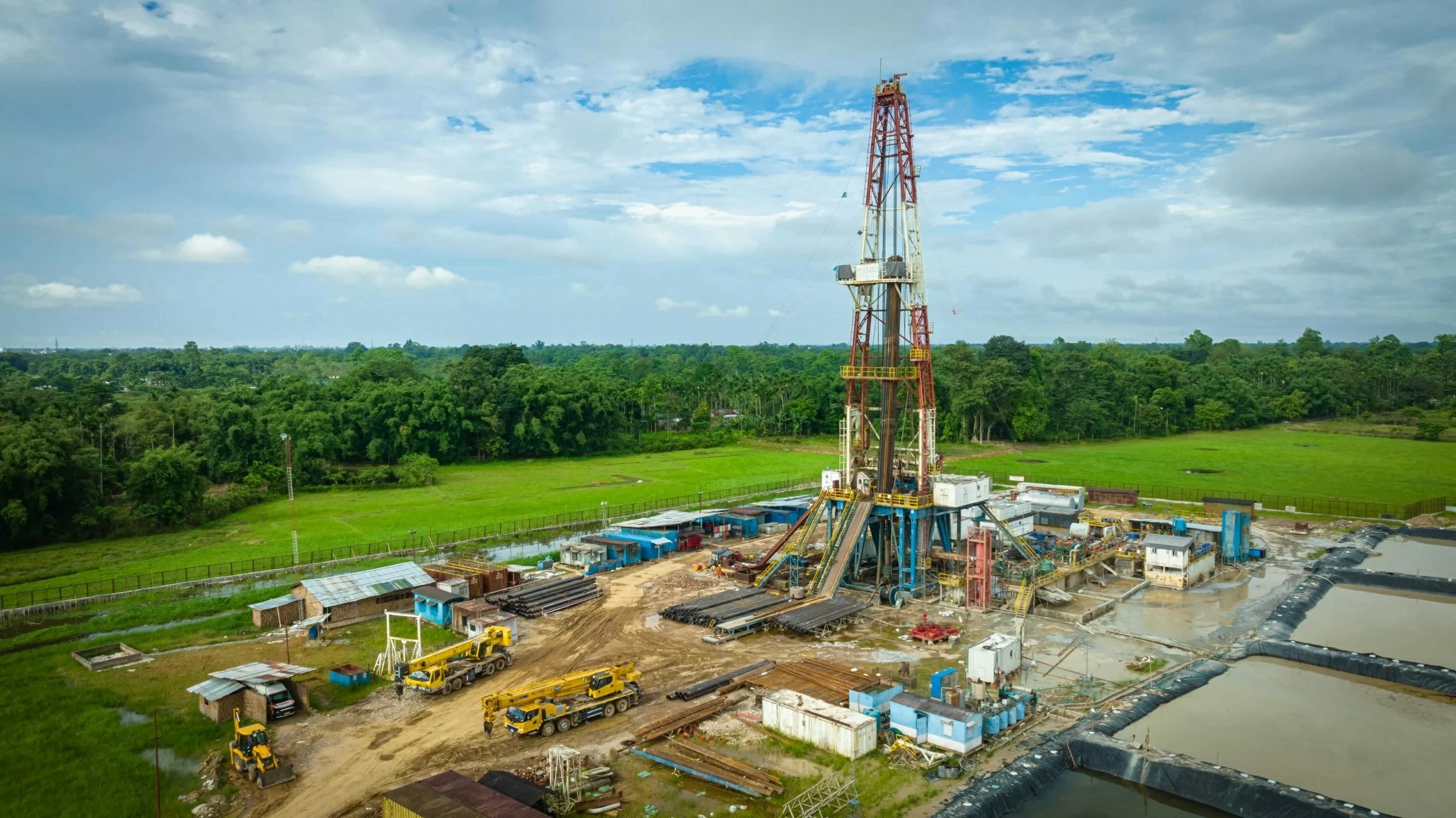
تستعد الهند لزيادة إنتاج غاز البترول المسال محلياً، في ظل استمرار الحرب مع إيران وتصاعد الغموض بشأن حركة الملاحة في مضيق هرمز، الذي تمر عبره نحو 90% من واردات البلاد من غاز الطهي.
ووجهت الحكومة الهندية شركات النفط الحكومية ومصافي التكرير الخاصة إلى اتخاذ جميع الإجراءات الممكنة فنياً واقتصادياً لتعظيم إنتاج غاز البترول المسال، وفق إخطار صدر في 13 أغسطس.
وتشمل الإجراءات دراسة استخدام مواد أولية بديلة، بينها تحويل النافتا إلى غاز البترول المسال، بهدف تعزيز الإمدادات المحلية وتقليل تداعيات اضطراب الواردات.
وتعتمد الهند على الاستيراد لتلبية نحو ثلثي استهلاكها من غاز البترول المسال، ما دفع المشترين إلى البحث عن مصادر جديدة منذ تعطل مسارات الإمداد التقليدية بسبب الحرب.
واتجهت الشركات الهندية إلى الولايات المتحدة وموردين جدد، من بينهم الجزائر، لتأمين كميات إضافية من غاز الطهي في ظل استمرار صعوبة الوصول إلى الإمدادات عبر مضيق هرمز.
ورفعت مصافي التكرير المحلية إنتاجها بالفعل إلى نحو 54 ألف طن يومياً، مقارنة بـ36 ألف طن يومياً قبل الحرب.
وتستهدف الحكومة رفع القدرة الإنتاجية إلى 63.81 ألف طن يومياً، ضمن تحركات لتعزيز أمن الطاقة ومواجهة أي نقص محتمل في السوق المحلية مع استمرار اضطرابات الإمدادات الإقليمية.
India is preparing to increase its domestic production of liquefied petroleum gas, amid the ongoing war with Iran and the rising uncertainty regarding shipping traffic in the Strait of Hormuz, through which about 90% of the country's cooking gas imports pass.
The Indian government has directed state-owned oil companies and private refineries to take all possible technical and economic measures to maximize liquefied petroleum gas production, according to a notice issued on August 13.
The measures include studying the use of alternative raw materials, including converting naphtha into liquefied petroleum gas, with the aim of enhancing local supplies and reducing the impact of import disruptions.
India relies on imports to meet about two-thirds of its liquefied petroleum gas consumption, prompting buyers to seek new sources since traditional supply routes have been disrupted due to the war.
Indian companies have turned to the United States and new suppliers, including Algeria, to secure additional quantities of cooking gas amid ongoing difficulties in accessing supplies through the Strait of Hormuz.
Local refineries have already increased their production to about 54,000 tons per day, compared to 36,000 tons per day before the war.
The government aims to raise production capacity to 63,810 tons per day, as part of efforts to enhance energy security and address any potential shortages in the local market amid ongoing regional supply disruptions.