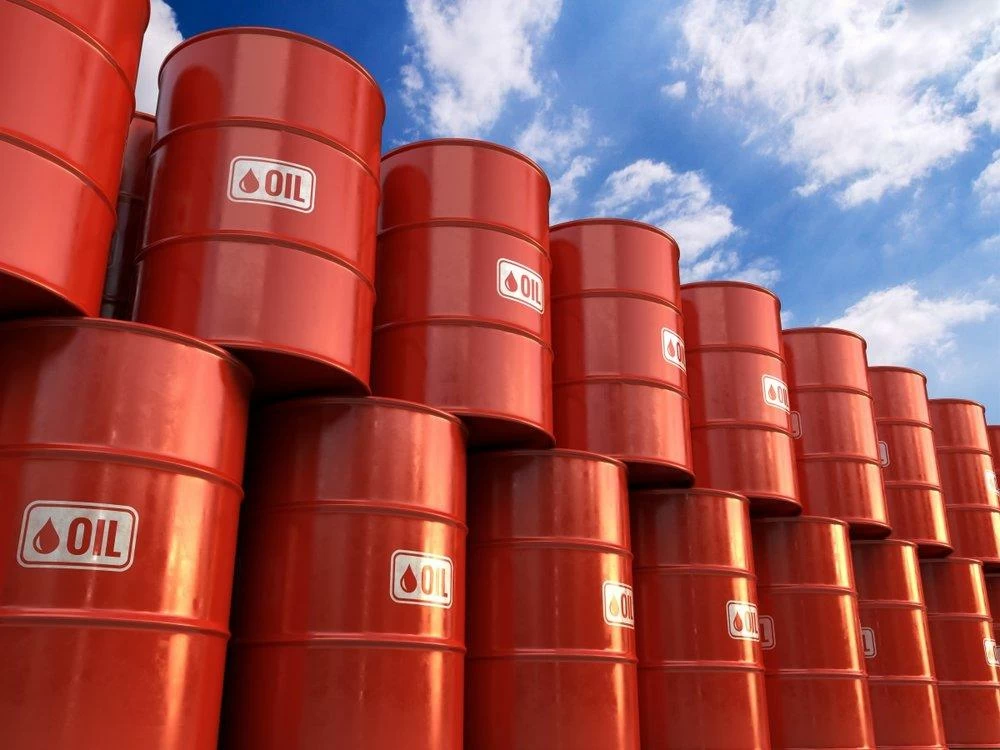
ارتفعت أسعار النفط، اليوم (الثلاثاء)، بأكثر من 2% لتسجل أعلى مستوياتها منذ 31 يوليو 2026، في ظل تلاشي الآمال في التوصل إلى اتفاق بين الولايات المتحدة وإيران لإنهاء الصراع بينهما وإعادة فتح مضيق هرمز، بعد أن طالب الرئيس الأمريكي دونالد ترمب بتعويضات عن الأضرار التي تكبدتها بلاده.
تعزيز المكاسب
وزادت العقود الآجلة لخام برنت 2.55% أو 2.24 دولار إلى 89.96 دولار للبرميل وارتفعت العقود الآجلة لخام غرب تكساس الوسيط الأمريكي 2.95% أو 2.42 دولار إلى 84.55 دولار.
وعزز الخامان القياسيان المكاسب التي بلغت أكثر من 5% أمس (الإثنين)، بعد أن رد ترمب على شروط إيران لإبرام اتفاق بالمطالبة بأن تدفع طهران تعويضات عن قتلى حروب وهجمات واحتجاجات، وهو ما سيعقد على الأرجح الجهود الرامية إلى إعادة فتح مضيق هرمز.
اضطراب الإمدادات
وقال أولي هانسن، رئيس أبحاث السلع في إحدى البنوك العالمية: «لا يوجد مسار واضح لحل الأزمة وإعادة فتح مضيق هرمز بالكامل في الوقت الراهن، وهذا ما يزيد الضغط باتجاه ارتفاع الأسعار»، مضيفاً أن هناك اضطراباً كبيراً في الإمدادات لا يزال قائماً.
وفي مذكرة صدرت أمس قال محللون في بنك «باركليز» إن صافي صادرات النفط الخام والمنتجات المكررة عبر مضيق هرمز في الأسبوع المنتهي في السابع من أغسطس الجاري بلغ في المتوسط 3 ملايين برميل يومياً، بانخفاض عن 4.4 مليون برميل يومياً في الأسبوع السابق.
Oil prices rose today (Tuesday) by more than 2% to record their highest levels since July 31, 2026, as hopes for an agreement between the United States and Iran to end their conflict and reopen the Strait of Hormuz faded, after U.S. President Donald Trump demanded compensation for the damages incurred by his country.
Boosting Gains
Brent crude futures increased by 2.55% or $2.24 to $89.96 per barrel, while U.S. West Texas Intermediate crude futures rose by 2.95% or $2.42 to $84.55.
The two benchmark crudes built on gains of more than 5% yesterday (Monday), after Trump responded to Iran's conditions for an agreement by demanding that Tehran pay compensation for the casualties of wars, attacks, and protests, which is likely to complicate efforts to reopen the Strait of Hormuz.
Supply Disruptions
Oli Hansen, head of commodity research at a global bank, stated: "There is no clear path to resolving the crisis and fully reopening the Strait of Hormuz at this time, which is increasing the pressure for rising prices," adding that there is still significant disruption in supplies.
In a note released yesterday, analysts at Barclays Bank indicated that net crude oil and refined product exports through the Strait of Hormuz in the week ending August 7 averaged 3 million barrels per day, down from 4.4 million barrels per day in the previous week.